 Wellness Review Labs
 By

Erectile dysfunction (ED) is simply the consistent difficulty in getting or keeping an erection firm enough for sexual intimacy. To understand how it happens, we first have to look at how a normal erection works. It is not just about willpower or desire; it is a complex physical chain reaction that starts in the brain and ends in the blood vessels.
For many men navigating these changes after forty or fifty, realizing that the body relies on a delicate balance of fluid dynamics, nerve signaling, and chemical messengers removes a lot of the personal mystery and frustration. It turns out that physical responsiveness is deeply tied to your everyday physical state, from how well you slept the night before to the health of your cardiovascular system.
The Four-Step Biological Chain Reaction
When you experience sexual arousal, whether from thoughts, touch, or visual cues, your nervous system initiates a communication cascade. Understanding each step helps clarify why physical fatigue, mental stress, or mild circulatory sluggishness can disrupt the final result.
- The Brain Signals: The brain sends electrical messages down the spinal cord to the nerves surrounding the pelvic region, acting as the master switchboard for arousal.
- The Chemical Release: Local nerve endings release nitric oxide and other chemical messengers that signal the smooth muscles inside the penile arteries to relax, allowing passageways to widen.
- The Blood Rush: Once those muscles relax, blood rushes rapidly into two spongy cylinders inside the organ (the corpora cavernosa), causing them to expand rapidly due to increased internal pressure.
- The Trap: As the tissue fills with blood, tiny veins that normally drain blood out of the area are compressed against the outer fibrous sheath, trapping the blood inside and maintaining firmness until arousal subsides.
Because this entire sequence happens within seconds under normal circumstances, any bottleneck in the chain can prevent full firmness. If the brain is distracted, the nerves are fatigued, or the blood vessels cannot expand smoothly, the hydraulic system simply cannot reach full capacity.
Where the Mechanism Can Break Down
Because an erection requires coordination between your brain, hormones, nerves, and blood vessels, a disruption in any single area can cause ED. This is why healthcare providers view changes in erectile function as an early indicator of overall cardiovascular health and whole-body vitality.
Common everyday factors that interfere with this system include:
- Restricted Circulation: Plaque buildup in arteries (atherosclerosis) limits the volume of blood that can flow into the tissue, often affecting smaller vessels before larger ones.
- Nervous System Fatigue: Conditions like diabetes or nerve injury can dull the electrical signals sent from the brain down to the pelvic region.
- Hormonal Shifts: Gradual declines in testosterone associated with aging can impact overall vitality, physical stamina, and spontaneous desire.
- Stress and Anxiety: High levels of cortisol and adrenaline trigger the 'fight or flight' response, which actively constricts blood vessels and overrides sexual arousal signals.
It is also worth noting how lifestyle habits compound these issues over decades. Diets high in processed foods, long hours of sedentary desk work, and chronic sleep deprivation all place a subtle, steady toll on the endothelial lining of your blood vessels, making them less responsive when it counts.

Everyday Habits That Support Healthy Circulation
Before turning to specific products or medical interventions, several free and behavioral strategies can help keep your circulatory and nervous systems functioning at their best. Consistency with these fundamentals often yields the most reliable long-term improvements in physical responsiveness.
- Incorporate Aerobic Exercise: Brisk walking, swimming, or cycling strengthens the heart and improves endothelial function, helping blood vessels dilate properly during arousal.
- Prioritize Quality Sleep: Poor sleep disrupts natural testosterone production, lowers energy reserves, and impairs cardiovascular recovery overnight.
- Manage Stress Levels: Mindfulness, deep breathing, and reducing late-night screen time can lower cortisol and ease performance anxiety.
- Review Current Medications: Certain blood pressure drugs, antidepressants, and antihistamines list ED as a side effect. Always consult a physician before stopping any prescription.
Making small adjustments to my daily routine—like walking more and paying attention to my sleep schedule—made a noticeable difference in my overall energy and confidence.— A reader from Ohio, age 58
Where Targeted Supplements Fit In
If you are already maintaining a healthy lifestyle and looking for extra daily support for circulation and vitality, you might consider dietary supplements. At Wellness Review Labs, we evaluate various formulations designed to assist men as they age and navigate these exact physical shifts.
One option in this category is VigorJelly, an orange-flavored chewable gummy formulated to support energy, circulation, and vitality. Rather than being a hard capsule or tablet, it is delivered as a 30-gummy chewable format per bottle. It is designed to complement healthy habits rather than replace them, and it works best when combined with proper nutrition, daily hydration, and regular cardiovascular movement.
VigorJelly is available in flexible multi-bottle packages (including 2-, 3-, and 6-bottle package pricing options) and is backed by a 60-day money-back guarantee for peace of mind if you decide it is not the right fit for your daily routine.
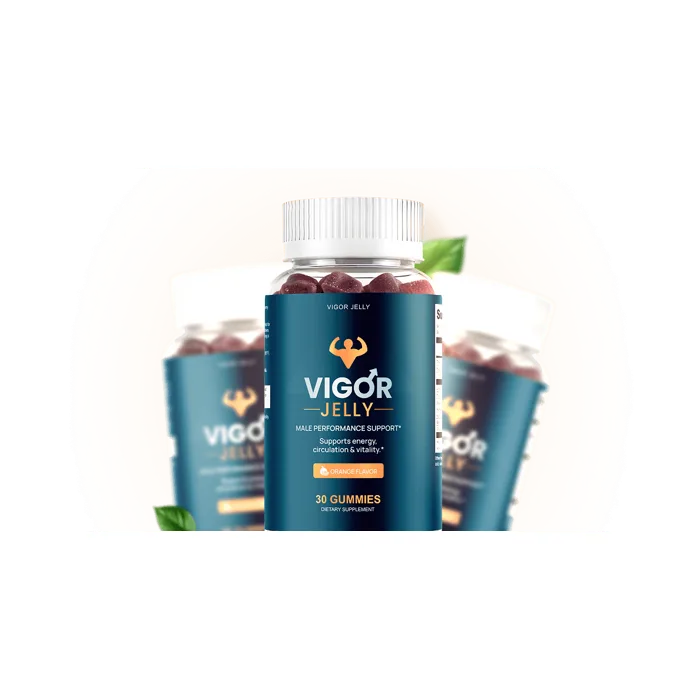
VigorJelly provides an orange-flavored chewable gummy format designed to support energy, circulation, and vitality as part of a daily men's wellness routine.
- 6-Bottle Package — Lowest Price Per Bottlebest value/bottle
- 3-Bottle Package — Most Popularmost popular/bottle
- 2-Bottle Packagestarter/bottle
We may earn a commission at no extra cost to you.