 Wellness Review Labs
 By

The difference between erectile dysfunction vs low libido comes down to mechanics versus motivation. Erectile dysfunction (ED) is the inability to achieve or maintain an erection firm enough for sexual activity, even when the desire is fully present. In contrast, low libido refers to a decreased appetite or interest in sexual activity, regardless of whether the physical machinery works. While they can occur together, they stem from different physical systems and require different approaches.
Knowing which issue you are facing matters. Treating low desire with vascular solutions rarely works if the mental spark is absent, just as focusing solely on mood will not resolve an underlying blood flow restriction. Understanding how each functions allows you to address the root cause with clarity.
The Core Difference: Physical Mechanics vs Mental Drive
To understand erectile dysfunction, consider the circulatory system. An erection is fundamentally a hydraulic event. When sexual arousal occurs, the brain sends chemical signals down the spinal cord to the pelvic nerves. These nerves stimulate the release of nitric oxide, which signals the smooth muscle tissue lining the penile arteries to relax. As these vessels widen, arterial blood rushes into the spongy chambers, creating firmness. If arterial walls are stiff, if blood vessels are narrowed, or if nerve signals are disrupted, an erection fails to form properly. The desire may be intense, but the physical vascular response does not follow.
Low libido, clinically known as hypoactive sexual desire, originates higher up in the central nervous system. Desire is governed by a balance of neurotransmitters and hormones, most notably dopamine, serotonin, and testosterone. Dopamine acts as an accelerator for motivation and pleasure, while testosterone provides the underlying biological drive. When hormonal production drops, or when neurotransmitters are dampened by chronic stress or medications, the appetite for intimacy diminishes. You may have healthy arteries and full physical capacity, but the mental motivation simply does not engage.
What Commonly Causes Low Libido in Men Over 45
A decline in sexual desire is rarely random. For men entering midlife, several physiological shifts converge to alter drive and vitality:
- Hormonal changes: Total and free testosterone decline gradually with age, typically starting around age thirty and continuing at roughly one percent per year. Lower circulating testosterone often translates directly into fewer spontaneous thoughts about intimacy.
- Prescription medications: Selective serotonin reuptake inhibitors (SSRIs) used for mood support and certain blood pressure medications can significantly mute sexual interest.
- Chronic stress and elevated cortisol: High levels of the stress hormone cortisol act as an antagonist to testosterone, shifting the nervous system into survival mode rather than reproductive readiness.
- Fatigue and sleep deprivation: The vast majority of natural testosterone release occurs during deep, restorative REM sleep. Men with fragmented rest or untreated sleep apnea frequently report an almost complete loss of libido.
Relationship dynamics, emotional distress, and grief also play an enormous role in libido. The human brain is the primary sex organ, and if everyday demands or emotional tension monopolize attention, sexual desire naturally takes a back seat.

The Primary Drivers of Erectile Dysfunction
Unlike libido, erectile dysfunction is predominantly a vascular signal. In fact, many physicians view penile blood vessels as an early indicator of wider cardiovascular health because these arteries are substantially smaller than those supplying the heart or brain.
- Endothelial stiffness: The inner lining of blood vessels (the endothelium) produces nitric oxide. As we age, oxidative stress and arterial stiffening reduce nitric oxide availability, making it harder for vessels to dilate.
- Metabolic health: High circulating blood sugar and elevated insulin levels damage microvascular capillaries over time, blunting nerve sensitivity and reducing arterial elasticity.
- Neurological conditions: Prior pelvic surgeries, spinal disc issues, or conditions affecting nerve transmission can prevent the physical signals from reaching the pelvic floor.
- Alcohol and nicotine use: Nicotine causes immediate vasoconstriction (narrowing of blood vessels), while heavy alcohol intake depresses central nervous system signalling.
Can Erectile Dysfunction and Low Libido Overlap?
While they are physiologically distinct, erectile dysfunction and low libido often feed into one another over time. This overlap creates confusion for many men trying to self-diagnose.
Consider what happens when a man experiences physical erectile difficulties due to blood flow issues. If an erection fails during an intimate encounter, performance anxiety frequently develops. The next time intimacy is possible, his sympathetic nervous system (fight-or-flight) spikes, flooding the bloodstream with adrenaline. Adrenaline constricts blood vessels, directly opposing an erection. After several such experiences, he may unconsciously begin avoiding intimacy altogether to prevent embarrassment. In this scenario, physical ED has led directly to secondary loss of desire.
Conversely, a severe drop in testosterone can dampen sexual drive while simultaneously contributing to weaker tissue tone and decreased nocturnal erections. Disentangling the primary issue from the secondary reaction is essential for deciding what step to take next.
Separating physical vascular response from mental interest is the single most helpful distinction a man can make. Once you know which side of the equation is struggling, the path forward becomes clear.— Clinical Observation, Men's Health Education
Everyday Habits That Support Both Drive and Circulation
Before looking toward interventions, several fundamental lifestyle adjustments can meaningfully support both sides of the equation. These measures require time and consistency, but they create the physiological baseline your body needs.
- Prioritize deep sleep: Aim for seven to eight hours of uninterrupted rest. Sleeping in a dark, cool room supports natural hormonal pulses, including healthy testosterone production.
- Perform regular resistance training: Lifting weights or using bodyweight exercises two to three times a week helps improve insulin sensitivity, supports lean muscle tissue, and encourages healthy hormonal profiles.
- Incorporate brisk cardio: Moderate aerobic activity like brisk walking, cycling, or rowing encourages arterial flexibility and endothelial nitric oxide production, directly assisting vascular flow.
- Reduce systemic inflammation: Emphasize whole foods, leafy greens, lean proteins, and omega-3 fatty acids while limiting ultra-processed carbohydrates and excess sugars that compromise arterial walls.
- Manage chronic stress: Daily practices that downregulate the nervous system, whether deep breathing or unstructured downtime, lower cortisol and help restore natural sexual interest.
Where Daily Nutritional Support Fits: VigorJelly
Alongside fundamental habits, some men look for targeted nutritional support to complement their routine. One option on the market is VigorJelly, a male performance support supplement designed to assist daily energy, healthy circulation, and overall vitality.
Rather than a hard tablet or bulky pill, VigorJelly comes in chewable gummies with an orange flavour, providing 30 gummies per bottle. Its formulation is aimed at supporting blood flow and daily stamina, which are critical elements for maintaining normal physical responsiveness.
It is important to maintain realistic expectations about what any supplement can and cannot do. VigorJelly does not replace prescription medications for severe erectile dysfunction, nor does it function as direct hormone therapy for clinically diagnosed hypogonadism. What it is designed to do is provide daily nutritional cofactors that help support healthy arterial circulation and physical vitality as part of an active, balanced routine.
For those interested in trying it, VigorJelly is available in 2-, 3-, and 6-bottle packages under current package pricing. The manufacturer backs orders with a 60-day money-back guarantee, allowing you enough time to evaluate whether it fits your daily routine without financial risk.
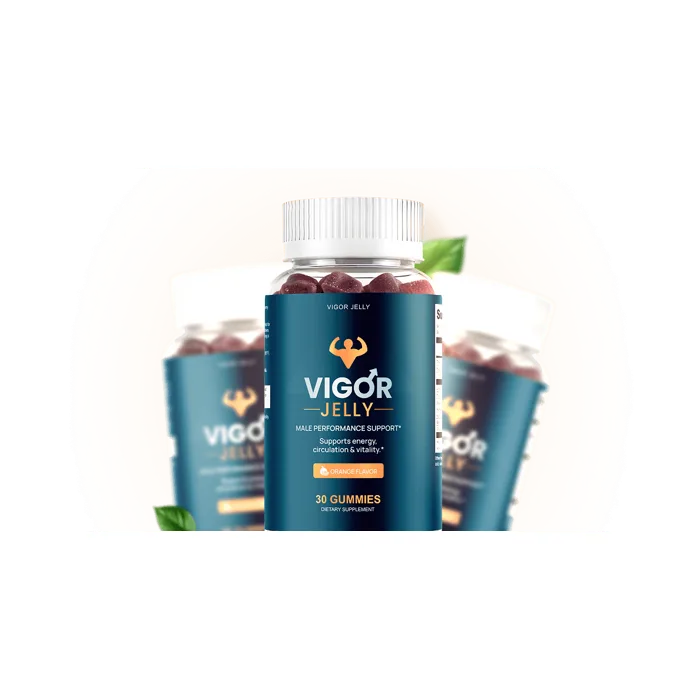
VigorJelly provides targeted circulatory and vitality support in a chewable gummy format, making it relevant for men seeking to maintain daily vascular health and active energy.
- 6-Bottle Package — Lowest Price Per Bottlebest value/bottle
- 3-Bottle Package — Most Popularmost popular/bottle
- 2-Bottle Packagestarter/bottle
We may earn a commission at no extra cost to you.