 Wellness Review Labs
 By
By 
To answer the question directly: no, erectile dysfunction (ED) does not directly cause infertility. Biologically, they are two separate functions controlled by different systems in the body. Infertility refers to an issue with the quality, count, or motility of sperm, or the body's ability to produce viable genetic material. Erectile dysfunction, on the other hand, is a mechanical and vascular issue involving blood flow, nerve signals, and smooth muscle relaxation in the penis.
A man can have significant erectile dysfunction and still produce millions of healthy, motile sperm capable of fertilizing an egg. Conversely, a man can have firm, reliable erections on demand while producing zero viable sperm. However, because natural conception typically requires vaginal intercourse to deliver semen to the cervix, ED often acts as a functional obstacle to pregnancy.
Erection vs. Sperm Production: How the Body Handles Each
Understanding why these two issues diverge requires a quick look at the biology. An erection is fundamentally a hydraulic event. When mental or physical arousal occurs, your brain sends signals down through the spinal cord to the pelvic nerves. These nerves stimulate the release of nitric oxide, a compound that relaxes the smooth muscle tissue lining the blood vessels in the penis. As those vessels dilate, blood rushes into the corpora cavernosa under pressure, creating rigidity.
Sperm production (spermatogenesis), by contrast, takes place continuously within the seminiferous tubules inside the testicles. This process is driven primarily by hormones produced by the brain's pituitary gland—specifically follicle-stimulating hormone (FSH) and luteinizing hormone (LH)—along with testosterone produced by the Leydig cells. The production cycle takes roughly 64 to 72 days from start to finish.
Because these two processes depend on different primary mechanisms, a breakdown in blood vessel dilation does not inherently disrupt the cellular work happening inside the testicles. The plumbing problem does not automatically equal a manufacturing problem.
Where Erectile Dysfunction and Infertility Intersect
While ED does not directly cause infertility, the two conditions frequently coexist. When they appear together, it is usually because both respond to the same underlying health factors. If you are experiencing difficulties with both intimacy and conception, one of several shared factors may be responsible:
- Vascular conditions: Atherosclerosis (narrowing of the arteries) reduces blood flow throughout the pelvic floor. It is the most common physical cause of ED in men over 45, and poor pelvic circulation may also affect testicular health.
- Hormonal imbalances: Low testosterone (hypogonadism) can dampen libido, weaken erection quality, and in some cases contribute to reduced sperm output.
- Metabolic disorders: Elevated blood sugar from prediabetes or type 2 diabetes damages both the small blood vessels and the peripheral nerves required for erections. Chronic high blood glucose is also associated with increased oxidative stress, which can damage sperm DNA.
- Medications: Common prescriptions, such as certain beta-blockers for high blood pressure, SSRI antidepressants, and hair-loss drugs, can interfere with normal erectile function or semen parameters.
- Psychological stress and performance anxiety: The pressure to conceive on a rigid schedule often triggers performance anxiety. High cortisol levels activate the sympathetic nervous system ('fight or flight'), which actively constricts blood vessels and prevents an erection from forming.

Everyday Habits That Support Both Circulation and Vitality
Because both reproductive health and erectile strength depend heavily on endothelial function—the health of the inner lining of your blood vessels—the daily habits that support heart health tend to support both systems simultaneously. You do not need an exotic regimen to start seeing improvements.
Moderate cardiovascular exercise is one of the most effective non-pharmaceutical tools available. Brisk walking for 30 minutes five days a week helps the body produce endogenous nitric oxide, which keeps arteries pliable. Resistance training twice a week also supports healthy metabolic function and natural testosterone production.
Dietary adjustments can also yield noticeable results. Diets rich in leafy greens, beets, nuts, and berries supply dietary nitrates and antioxidants. Antioxidants help protect existing nitric oxide from breaking down prematurely, while also shielding sperm cells from oxidative stress. Reducing ultra-processed foods, moderating alcohol consumption, and quitting smoking have immediate, measurable benefits for microvascular blood flow.
The penis is an early indicator of general cardiovascular wellbeing. What helps the arteries of the heart almost invariably helps the arteries of the pelvis.— General Clinical Perspective in Men's Health
Pathways to Conception When ED Is Present
If erectile difficulties are preventing you and your partner from conceiving, modern medicine offers several direct solutions. You do not have to wait months or years for lifestyle adjustments alone to resolve the issue before making progress on family planning.
- Oral PDE5 inhibitors: Medications like sildenafil or tadalafil increase blood flow to help achieve and sustain an erection during fertile windows. These medications do not negatively impact sperm count or motility.
- Intrauterine insemination (IUI): If intercourse remains difficult despite treatment, semen can be collected via masturbation, processed in a lab to concentrate the healthiest sperm, and placed directly into the uterus around ovulation.
- In vitro fertilization (IVF): For more complex reproductive scenarios, sperm can be used to fertilize eggs in a laboratory setting, completely bypassing the need for natural intercourse.
- Semen analysis: A routine, inexpensive test that evaluates sperm count, shape (morphology), and movement (motility). This immediately clarifies whether you are dealing purely with a delivery issue (ED) or an underlying fertility issue as well.
Where Supplements Fit into the Picture
Many men looking to support their vitality and physical stamina prefer starting with targeted nutritional support alongside sensible lifestyle adjustments. While dietary supplements are not prescription medications and cannot treat or cure erectile dysfunction or male infertility, high-quality formulations can provide nutritional building blocks that support circulation, cellular energy, and daily endurance.
One option we review in this category is VigorJelly, a chewable gummy designed to support male energy, circulation, and vitality. Unlike traditional chalky tablets or large hard-to-swallow capsules, VigorJelly comes in an orange-flavoured chewable gummy format with 30 gummies per bottle.
Its formula is structured around supporting natural blood flow and stamina. It is important to maintain realistic expectations: a chewable gummy cannot resolve severe nerve damage, mechanical blockages, or low sperm counts caused by genetic or structural issues. However, for men seeking a convenient, daily supplement to support their routine alongside clean eating and regular exercise, it represents a straightforward approach.
VigorJelly is offered in 2-, 3-, and 6-bottle packages to accommodate different routine lengths, with current package pricing available directly on their official storefront. The manufacturer provides a 60-day money-back guarantee, which allows you to test the supplement over two full months to see how your body responds.
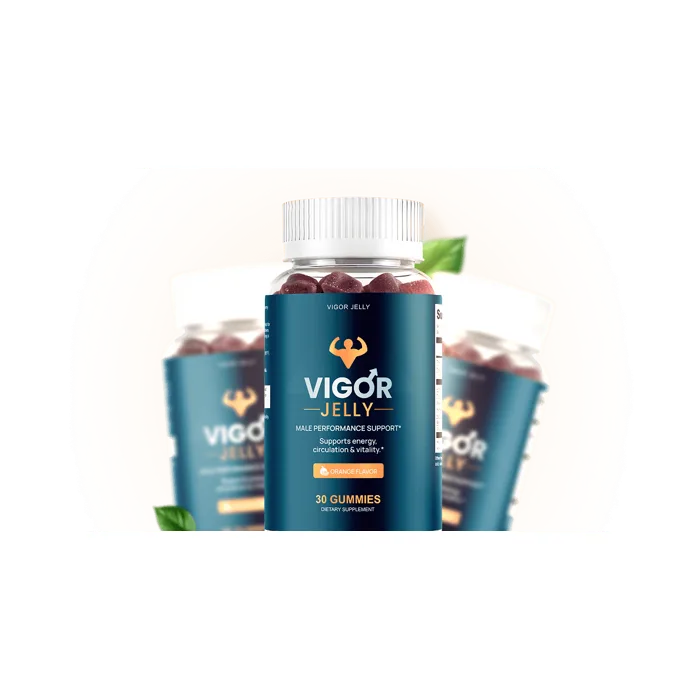
VigorJelly chewable gummies are introduced as a nutritional supplement designed to support circulation, energy, and vitality for men seeking daily vascular support alongside healthy lifestyle habits.
- 6-Bottle Package — Lowest Price Per Bottlebest value/bottle
- 3-Bottle Package — Most Popularmost popular/bottle
- 2-Bottle Packagestarter/bottle
We may earn a commission at no extra cost to you.
Taking the Next Step
Dealing with erection challenges while trying to start or grow a family can feel isolating, but it is an exceptionally common and solvable situation. The most constructive first step is separating the physical ability to deliver sperm from the quality of the sperm itself. Speaking openly with a healthcare provider can quickly point you toward the right combination of diagnostic checks, lifestyle shifts, and therapeutic support.