 Wellness Review Labs
 By
By 
The promise of a pill to boost your memory is certainly appealing, especially when daily life feels a bit fuzzier than it used to. But navigating the world of 'memory vitamins' can be confusing. Are they just hype, or is there something to them? Let's cut through the noise and look at what the science actually says about these supplements and, more importantly, what genuinely helps support your brain health.
Understanding Memory: More Than Just Forgetting
Memory isn't a single function; it's a complex system. When we talk about memory, we're usually referring to different types:
- Short-term memory: What you can hold in your mind for a few seconds or minutes (like a phone number you're about to dial).
- Long-term memory: Information stored for days, months, or years (like childhood memories or facts you learned).
- Working memory: Actively using and manipulating information (like solving a mental math problem).
- Episodic memory: Recalling specific events and experiences (like what you had for breakfast).
As we age, it's normal to experience some changes in memory and cognitive function. This isn't necessarily a sign of a serious problem. Our brains slow down a bit, and it might take longer to recall information. However, significant or sudden changes should always be discussed with a healthcare professional.
Common Causes of Memory Lapses (Beyond Just Age)
Before you reach for a supplement, it's important to understand that many factors can affect your memory. Some of these are easily addressed:
- Lack of Sleep: Poor sleep quality significantly impacts memory consolidation and overall cognitive function. Your brain literally cleans itself during deep sleep.
- Stress and Anxiety: Chronic stress can impair your ability to focus and recall information.
- Medications: Many common medications, including some antihistamines, antidepressants, and sleep aids, can have side effects that affect memory.
- Nutritional Deficiencies: Deficiencies in B vitamins (especially B12) and Vitamin D can sometimes contribute to cognitive issues.
- Underlying Health Conditions: Thyroid problems, diabetes, depression, and even urinary tract infections can sometimes manifest as memory issues in older adults.
- Substance Use: Alcohol and certain recreational drugs can impair memory.
Addressing these factors can often lead to noticeable improvements in memory without needing any supplements.

What Do Memory Vitamins Claim to Do?
Memory supplements typically aim to support brain health through various mechanisms:
- Antioxidant Protection: Protecting brain cells from damage caused by free radicals.
- Improved Blood Flow: Ensuring the brain gets enough oxygen and nutrients.
- Neurotransmitter Support: Helping the brain's chemical messengers work efficiently.
- Reducing Inflammation: Chronic inflammation can negatively impact brain function.
- Clearing Toxins: Helping the body remove substances that might interfere with brain health.
It's important to remember that the body is incredibly complex, and isolated nutrients often don't have the same impact as a holistic approach to health.
The Ingredients: What to Look For (and What to Be Skeptical Of)
When you see 'memory vitamins' advertised, you'll often find a blend of familiar and less familiar ingredients. Here's a look at some common ones and what the science suggests:
- Omega-3 Fatty Acids (DHA/EPA): These are crucial for brain cell structure and function. While essential for overall brain health, supplementing doesn't always show significant memory improvement in healthy adults without a deficiency.
- B Vitamins (B6, B9/Folate, B12): Important for nerve health and metabolism. Deficiencies, especially in B12, can cause memory issues. Supplementation is most beneficial if you have a confirmed deficiency.
- Vitamin D: Receptors for Vitamin D are found throughout the brain, and low levels have been linked to cognitive decline. However, direct evidence for memory improvement through supplementation in non-deficient individuals is still building.
- Ginkgo Biloba: An herb often touted for memory, it's thought to improve blood flow to the brain. Some small studies showed modest benefits for mild cognitive impairment, but larger, well-designed trials have often shown limited or no significant benefit for preventing cognitive decline in healthy adults.
- Bacopa Monnieri: An Ayurvedic herb that may enhance memory and cognitive function, particularly in terms of processing speed. More research is needed, but initial findings are promising.
- Phosphatidylserine: A type of fat compound found in brain cells. Some research suggests it might help with memory and cognitive function, especially in older adults, but large-scale evidence is still limited.
- Antioxidants (e.g., from berries, turmeric): These can help protect brain cells from oxidative stress. While a diet rich in antioxidants is vital, the impact of isolated supplements on memory is less clear.
It's vital to remember that 'natural' doesn't always mean 'safe' or 'effective'. Always check for third-party testing and consult a healthcare professional.
Beyond the Bottle: What Truly Makes a Difference
While supplements might play a supportive role, the most impactful strategies for maintaining and improving memory are often free and behavioral:
- Healthy Diet: A Mediterranean-style diet (rich in fruits, vegetables, whole grains, lean protein, healthy fats) is consistently linked to better brain health.
- Regular Exercise: Physical activity increases blood flow to the brain, reduces inflammation, and can stimulate new brain cell growth.
- Quality Sleep: Aim for 7-9 hours of uninterrupted sleep per night. This is when your brain consolidates memories and clears waste.
- Mental Stimulation: Keep your brain active by learning new skills, reading, doing puzzles, or engaging in hobbies.
- Social Engagement: Strong social connections are linked to better cognitive health.
- Manage Stress: Practice relaxation techniques like meditation, yoga, or deep breathing.
- Stay Hydrated: Dehydration can affect cognitive function and focus.
These lifestyle choices form the foundation of genuine brain health. Supplements, if chosen carefully, should be seen as an addition, not a replacement.
MemoFlow: A Different Approach to Brain Support
When exploring options for memory support, some products focus on specific mechanisms of action. MemoFlow is one such example, designed to address the potential impact of certain environmental factors on cognitive function.
MemoFlow sublingual drops utilize two hero ingredients: anthocyanins concentrated from wild Ikarian mountain honey and natural lithium orotate from Ikarian springs. The idea behind these ingredients is to support the brain's natural ability to manage and clear certain accumulated substances.
The anthocyanins are included to help bind and facilitate the clearance of accumulated cadmium, a heavy metal that some research suggests can interfere with cognitive processes. Natural lithium orotate, in a gentle, low dose, is intended to act as a shield against the re-absorption of these substances, supporting the body's natural detoxification pathways.
These ingredients are delivered via a micromilling process called Neural MicroLock, designed for enhanced sublingual (under the tongue) absorption. The product is made in the USA in an FDA-registered, GMP-certified facility and is batch tested for purity and potency. Each bottle costs from $19.99 and comes with a 90-day money-back guarantee.
MemoFlow focuses on a very specific aspect of brain health – supporting the body's natural processes for dealing with certain environmental factors. It is not designed to address memory issues caused by underlying medical conditions, severe nutritional deficiencies, or lifestyle choices like poor sleep or lack of exercise. As with any supplement, results can vary, and it should be used as part of a broader healthy lifestyle.
The Verdict
MemoFlow may be worth considering for individuals seeking general cognitive support. While it doesn't promise dramatic changes, it could be a suitable option for those looking to maintain their mental sharpness as part of a healthy lifestyle.
Who This Is For — And Who It Is Not
- Individuals interested in supporting their overall cognitive function.
- People looking for a supplement to complement a healthy diet and lifestyle.
- Those who appreciate a generous 90-day money-back guarantee.
- Anyone seeking to proactively maintain mental clarity.
- Anyone experiencing significant memory loss or cognitive decline; these symptoms require medical evaluation.
- Individuals expecting immediate or dramatic improvements in memory or focus.
- People who are currently taking prescription medications for cognitive conditions without consulting a doctor.
- Those looking for a product with a fully disclosed ingredient list.
What We Could Not Verify
We say this plainly because most pages in this category do not. Here is what we could not independently confirm about MemoFlow:
- The specific ingredients and their exact dosages, as the formula is proprietary.
- The scientific studies, if any, that directly support the efficacy of the complete MemoFlow blend.
- The manufacturing processes and quality control standards beyond general statements.
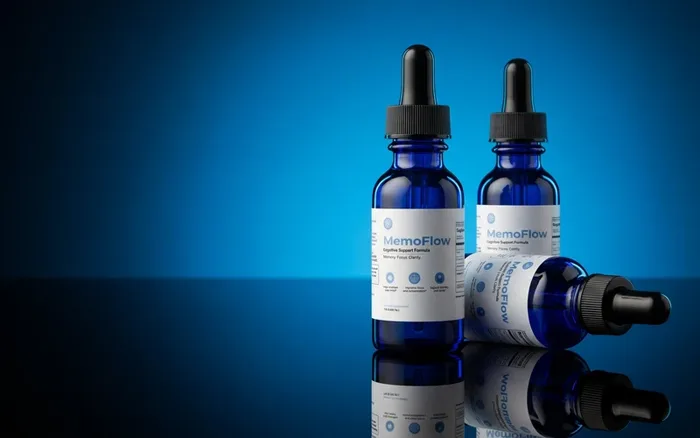
MemoFlow offers a specific approach to memory support by focusing on novel ingredients designed to help the body manage accumulated environmental factors, which is a unique angle within the broader 'memory vitamins' category.
- Buy 3, Get 3 Free — Lowest Price Ever$19.99/bottle
- Buy 2, Get 2 Free — Most Popular$24.99/bottle
- Buy 1, Get 1 Free$29.99/bottle
We may earn a commission at no extra cost to you.
The Bottom Line: Smart Choices for Your Brain
When it comes to memory vitamins, the landscape is complex. While certain ingredients show promise in supporting specific aspects of brain health, there's no single 'miracle pill' for memory. The most robust evidence points to a holistic approach involving diet, exercise, sleep, and mental engagement as the cornerstones of cognitive vitality.
If you're considering a supplement like MemoFlow, understand its specific focus and what it aims to do. Always prioritize foundational health habits and consult your doctor to ensure any supplement is appropriate for your individual health needs.