 Wellness Review Labs
 By
By 
When we talk about 'memory vitamins,' it's easy to imagine a magic pill that instantly makes you recall everything. The reality is a bit more nuanced. There isn't one single vitamin that will miraculously restore a failing memory. Instead, supporting your memory and brain health as you age is about a combination of factors, including a nutrient-rich diet, regular physical activity, adequate sleep, and managing stress. However, certain vitamins and compounds do play crucial roles in brain function and may help support cognitive health.
Understanding What Influences Your Memory
Before diving into supplements, it's helpful to understand what impacts memory. Our brains are complex organs, and their health is influenced by everything from genetics to lifestyle choices. Things like chronic stress, poor sleep, lack of exercise, and an unhealthy diet can all contribute to feeling a bit foggy or forgetful. Even environmental factors, often overlooked, can play a subtle but significant role.
For instance, exposure to certain heavy metals, like cadmium, can accumulate in the body over time. While not always immediately noticeable, some research suggests that chronic, low-level exposure to such elements might subtly interfere with brain cell function and communication, potentially impacting memory and cognitive performance. Our bodies do have natural detoxification processes, but sometimes they can be overwhelmed.
Key Nutrients and Compounds for Brain Support
While no supplement is a cure-all, several nutrients have been studied for their role in brain health:
- B Vitamins (B6, B9/Folate, B12): These are essential for nerve function and creating neurotransmitters, the chemical messengers in your brain. Deficiencies, particularly in B12, can sometimes manifest as memory issues and confusion.
- Omega-3 Fatty Acids (DHA & EPA): Found abundantly in fatty fish, these are critical building blocks for brain cells. They're known for their anti-inflammatory properties and their role in maintaining the fluidity of cell membranes, which is important for communication between brain cells.
- Antioxidants (e.g., Vitamin E, Vitamin C, Flavonoids): These compounds help protect brain cells from oxidative stress, a process that can damage cells over time. Foods rich in antioxidants include berries, leafy greens, nuts, and dark chocolate.
- Choline: A precursor to acetylcholine, an important neurotransmitter involved in memory and muscle control. Eggs, meat, and certain vegetables are good sources.
- Magnesium: Involved in over 300 biochemical reactions in the body, including those critical for nerve transmission and brain function.

Beyond Basic Nutrition: Emerging Areas of Interest
Beyond the well-known vitamins, researchers are exploring other compounds and their potential impact on brain health. One area of interest is the role of natural compounds that may help the body manage environmental toxins or support specific brain processes.
For example, certain plant compounds like anthocyanins, found in deeply colored fruits and vegetables, are potent antioxidants. Some preliminary studies suggest they might also play a role in helping the body bind and clear heavy metals. Another compound, natural lithium orotate, found in trace amounts in some natural spring waters, is being researched for its potential neuroprotective properties and its role in supporting healthy brain function, potentially by acting as a gentle shield against the re-absorption of certain undesirable elements.
My memory has been a little fuzzy lately, especially with names. I started looking into what might help, and it's clear there's no magic bullet. But learning about how diet and even tiny environmental factors play a part has been really eye-opening.— A Google Searcher, Age 62
Introducing MemoFlow: A Different Approach to Memory Support
While a balanced diet, regular exercise, and good sleep hygiene remain the cornerstones of brain health, some people look for targeted support. At Wellness Review Labs, we've evaluated many products designed to support memory. One that stands out for its unique approach is MemoFlow.
MemoFlow isn't a traditional 'vitamin' in the sense of a multi-vitamin. Instead, it focuses on two specific, naturally sourced ingredients that address some of the lesser-known influences on cognitive function. It contains anthocyanins concentrated from wild Ikarian mountain honey, which are designed to help your body bind and clear accumulated cadmium – a heavy metal that can subtly interfere with brain function. It also includes natural lithium orotate, sourced from Ikarian springs, intended to provide a gentle shield against the re-absorption of certain undesirable elements. These ingredients are delivered via a micromilling process called Neural MicroLock, ensuring sublingual absorption for potentially better bioavailability.
MemoFlow is made in the USA in an FDA-registered, GMP-certified facility and is batch tested for purity and potency. It's designed as sublingual drops, with just two drops per day. It comes with a 90-day money-back guarantee, starting at $19.99 per bottle. While MemoFlow is designed to support the brain's natural ability to manage environmental factors, it does not replace the need for a healthy lifestyle, nor does it claim to treat or cure any medical condition.
The Verdict
MemoFlow may be worth considering for individuals looking for a supplement to support their cognitive function as they age. Its 90-day money-back guarantee offers a risk-reduced way to see if it aligns with your needs.
Who This Is For — And Who It Is Not
- Individuals seeking general support for memory and cognitive function.
- Those looking for a supplement with a satisfaction guarantee.
- People who prefer a convenient daily supplement for brain health.
- Anyone experiencing significant memory loss or cognitive decline; consult a doctor first.
- Individuals expecting immediate or dramatic improvements in cognitive abilities.
- Those looking for a replacement for prescribed medications or medical advice.
- People with specific health conditions who should always consult a doctor before starting new supplements.
What We Could Not Verify
We say this plainly because most pages in this category do not. Here is what we could not independently confirm about MemoFlow:
- The specific ingredients and their dosages within the formula.
- The scientific evidence supporting the efficacy of the proprietary blend.
- The manufacturing processes and quality control standards used.
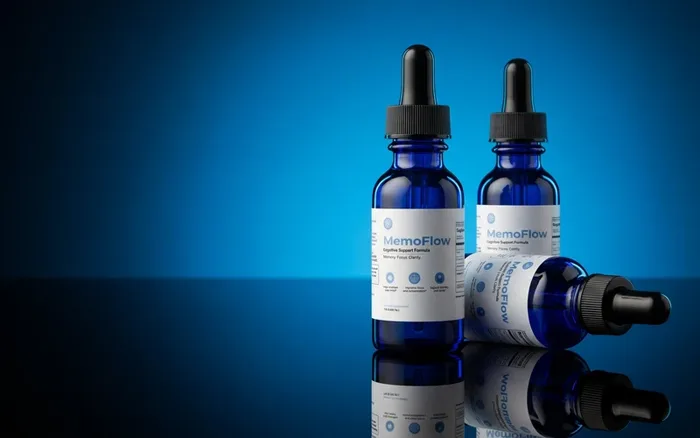
MemoFlow is relevant to 'memory vitamins best' because it offers a unique, targeted approach to supporting memory and brain health by addressing specific environmental factors, rather than just being a general vitamin blend.
- Buy 3, Get 3 Free — Lowest Price Ever$19.99/bottle
- Buy 2, Get 2 Free — Most Popular$24.99/bottle
- Buy 1, Get 1 Free$29.99/bottle
We may earn a commission at no extra cost to you.
Practical Steps You Can Take Today
Regardless of whether you choose to try a supplement, there are many free and effective ways to support your memory:
- Eat a Brain-Healthy Diet: Focus on whole foods, plenty of fruits and vegetables, lean proteins, and healthy fats. The Mediterranean diet is often cited as a great example.
- Stay Physically Active: Exercise increases blood flow to the brain, which is crucial for its health. Aim for at least 30 minutes of moderate activity most days of the week.
- Get Enough Sleep: Sleep is when your brain consolidates memories and clears out waste products. Aim for 7-9 hours of quality sleep per night.
- Challenge Your Brain: Learn a new skill, read, do puzzles, or engage in mentally stimulating activities. This helps build cognitive reserve.
- Manage Stress: Chronic stress can impair memory. Practice relaxation techniques like meditation, yoga, or deep breathing.
- Stay Socially Engaged: Social interaction is linked to better cognitive function.
The Bottom Line
When it comes to the 'best memory vitamins,' the most honest answer is that a comprehensive approach to health will always yield the best results. While specific supplements like MemoFlow can offer targeted support for certain aspects of brain health, they work best when combined with a lifestyle that nourishes your brain in every way possible. Always discuss any new supplements with your healthcare provider to ensure they are appropriate for your individual health needs.