 Wellness Review Labs
 By
By 
Short-term memory, sometimes called working memory, is your brain's temporary scratchpad. It allows you to hold a small amount of information in your mind for a very brief period – typically just a few seconds to a minute – so you can use it to complete a task. Think about remembering a phone number just long enough to dial it, or following a set of directions someone just gave you. When this system isn't working optimally, that's what we experience as short-term memory loss.
The Brain's Temporary Holding Area: How Short-Term Memory Works
Our brains are constantly bombarded with information. Short-term memory acts as a filter, deciding what's important enough to pay attention to and potentially transfer to long-term memory. It's not a single location in the brain, but rather involves several regions working together, especially the prefrontal cortex.
When you encounter new information – say, a new person's name – your brain temporarily stores it. If you don't actively rehearse or engage with that information, it fades away quickly. This fading is a normal process; your brain clears out irrelevant data to make room for what’s important right now. Memory loss happens when this temporary storage or the process of transferring information to longer-term storage is disrupted.
- Encoding: Your brain first takes in new information through your senses.
- Storage: This information is then held in your short-term memory for a brief period.
- Retrieval: If you need to use that information, your brain tries to access it from this temporary store. If it's not consolidated, it's gone.
Everyday Reasons Why Short-Term Memory Can Falter
It's easy to jump to conclusions when our memory slips, but often, the reasons are quite common and manageable. Here are some everyday culprits:
- Lack of Sleep: When you don't get enough restful sleep, your brain doesn't have the chance to process and consolidate memories. This can make it harder to form new short-term memories and recall existing ones.
- Stress and Anxiety: High levels of stress can flood your brain with hormones like cortisol, which can interfere with memory processes. When you're stressed, your attention is also divided, making it harder to encode new information effectively.
- Medications: Several types of prescription and over-the-counter medications can have side effects that impact memory. These can include certain antihistamines, antidepressants, anti-anxiety drugs, and sleeping pills. Always discuss potential side effects with your doctor.
- Nutritional Deficiencies: Your brain needs a steady supply of nutrients to function properly. Deficiencies in vitamins like B12 or imbalances in certain minerals can affect cognitive function, including memory.
- Multitasking and Distraction: In our busy world, we're often trying to do several things at once. This constant switching of attention can prevent your brain from fully encoding new information, leading to those 'where did I put that?' moments.
- Alcohol and Substance Use: Even moderate alcohol consumption can temporarily impair short-term memory. Chronic use can lead to more significant and lasting memory problems.

What Really Helps Support Memory (Beyond Supplements)
While supplements can play a role, many effective strategies for supporting memory involve simple, consistent lifestyle choices. These foundational habits create a healthier environment for your brain to thrive:
- Regular Physical Activity: Exercise increases blood flow to the brain, which can help improve memory and overall cognitive function. Aim for at least 30 minutes of moderate activity most days of the week.
- Balanced Diet: Focus on a diet rich in fruits, vegetables, whole grains, and lean proteins. Foods high in antioxidants, omega-3 fatty acids, and B vitamins are particularly beneficial for brain health. Think of the Mediterranean diet as a good guide.
- Quality Sleep: Prioritize 7-9 hours of restful sleep per night. Establish a consistent sleep schedule and create a relaxing bedtime routine.
- Mental Stimulation: Keep your brain active by learning new things, reading, doing puzzles, or engaging in hobbies that challenge you. Social interaction can also be a powerful form of mental stimulation.
- Stress Management: Practice stress-reducing techniques like meditation, deep breathing exercises, yoga, or spending time in nature. Reducing chronic stress can significantly improve memory function.
- Organize and Prioritize: Use calendars, to-do lists, and reminders to offload some of the burden from your short-term memory. Keep frequently used items in consistent places.
Targeting Brain Health: How Specific Nutrients Might Help
Beyond lifestyle, certain natural compounds are being explored for their potential role in brain health and memory support. The idea is to provide the brain with specific building blocks or protective agents that might enhance its natural processes.
One area of interest is compounds that help manage environmental factors that can subtly impact brain function over time. For example, some research suggests that heavy metals, even at low levels, might accumulate and affect cognitive pathways. Similarly, supporting cellular resilience and communication pathways is a focus for many seeking to maintain sharp memory as they age.
This is where some specialized supplements come into play. They're designed to deliver targeted nutrients that might be harder to get consistently through diet alone, or in forms that are readily absorbed by the body.
MemoFlow: A Targeted Approach to Memory Support
For those seeking additional support, products like MemoFlow are designed with specific mechanisms in mind. MemoFlow is a sublingual drop supplement formulated to help support cognitive function, particularly aspects related to memory.
It features two key ingredients: anthocyanins concentrated from wild Ikarian mountain honey and natural lithium orotate from Ikarian springs. The anthocyanins are included to help bind and clear accumulated cadmium, an environmental metal that some research indicates can have subtle neurological effects. The natural lithium orotate is designed to act as a gentle shield, potentially helping to protect against the re-absorption of certain elements or supporting cellular resilience within the brain.
These ingredients are delivered via a micromilling process called Neural MicroLock, intended to enhance sublingual absorption, meaning they are absorbed directly into the bloodstream under the tongue. MemoFlow is made in the USA in an FDA-registered GMP-certified facility, and each batch is tested for purity and potency. It's offered with a 90-day money-back guarantee, starting at $19.99 per bottle.
It's important to remember that while MemoFlow is designed to support healthy cognitive function, it is not intended to diagnose, treat, cure, or prevent any disease. It's one tool among many in a holistic approach to maintaining brain health.
The Verdict
MemoFlow may be a suitable option for individuals seeking to support their cognitive function and memory. Its 90-day money-back guarantee offers a risk-free way to assess its potential benefits for mild, age-related memory concerns.
Who This Is For — And Who It Is Not
- Individuals experiencing mild, age-related memory fluctuations.
- Those looking for a supplement to support overall cognitive health.
- People interested in a product with a money-back guarantee to try it out.
- Adults who are otherwise healthy and not on complex medication regimens.
- Anyone experiencing sudden, severe, or unexplained memory loss, which requires medical evaluation.
- Individuals expecting immediate or dramatic improvements in cognitive function.
- People currently taking prescription medications, especially for neurological conditions, without consulting a doctor.
- Those seeking a cure or treatment for diagnosed memory-related conditions.
What We Could Not Verify
We say this plainly because most pages in this category do not. Here is what we could not independently confirm about MemoFlow:
- The specific ingredients and their dosages within the MemoFlow formula.
- The scientific studies, if any, conducted on MemoFlow itself.
- The manufacturing processes and quality control standards employed.
- The long-term efficacy or safety of consistent MemoFlow use.
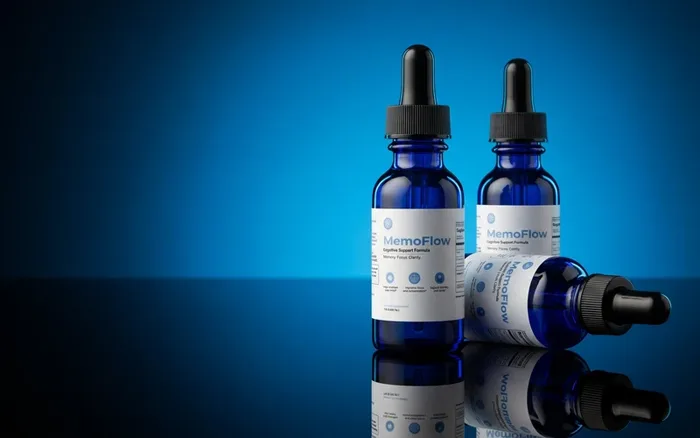
MemoFlow offers a targeted supplement approach with unique ingredients designed to support cognitive function, particularly memory, as one option among several for individuals concerned about short-term memory loss.
- Buy 3, Get 3 Free — Lowest Price Ever$19.99/bottle
- Buy 2, Get 2 Free — Most Popular$24.99/bottle
- Buy 1, Get 1 Free$29.99/bottle
We may earn a commission at no extra cost to you.
When to See a Doctor About Memory Concerns
Occasional memory lapses are a normal part of aging and a busy life. However, if you or a loved one notice that memory issues are becoming more frequent, disruptive to daily life, or accompanied by other concerning symptoms, it's important to consult a healthcare professional. They can help determine the underlying cause and recommend appropriate steps.
I used to worry every time I forgot a name. Learning about how stress impacts memory helped me adjust my routine and feel more in control.— A reader sharing their experience