 Wellness Review Labs
 By
By 
When you search for 'memory loss best medicine,' you're likely looking for a straightforward answer to a frustrating problem. It's important to know upfront that there isn't one single 'best medicine' that works for everyone or for all types of memory loss. Memory challenges can stem from a wide range of factors, from simple fatigue and stress to more serious underlying health conditions. The most effective approach always depends on accurately identifying what's causing your specific memory concerns.
Why Do We Experience Memory Lapses?
Occasional forgetfulness is a normal part of aging. As we get older, it might take a little longer to recall information, and we might be more easily distracted. However, significant or progressive memory loss that interferes with daily life is not a normal part of aging and warrants attention.
- Normal Age-Related Changes: Forgetting where you put your glasses, or struggling to recall a word on the tip of your tongue.
- Reversible Causes: These are often the most hopeful scenarios and include factors like vitamin deficiencies (especially B12), thyroid problems, sleep deprivation, stress, depression, certain medications, and even dehydration.
- Lifestyle Factors: Poor diet, lack of exercise, smoking, and excessive alcohol consumption can all negatively impact brain health over time.
- Medical Conditions: Conditions like uncontrolled diabetes, high blood pressure, and heart disease can affect blood flow to the brain, impacting cognitive function.
- Progressive Conditions: Diseases like Alzheimer's and other dementias cause gradual, irreversible memory loss and cognitive decline.
Beyond a Pill: What Actually Helps Memory
Before looking for a 'medicine,' it’s crucial to understand the foundational role of lifestyle in brain health. These strategies are often the most powerful tools we have.
- Prioritize Sleep: Aim for 7-9 hours of quality sleep per night. During sleep, your brain consolidates memories and clears out waste products. Chronic sleep deprivation is a major contributor to memory issues.
- Eat a Brain-Healthy Diet: Focus on whole, unprocessed foods rich in antioxidants, omega-3 fatty acids, and B vitamins. Think leafy greens, berries, fatty fish, nuts, and whole grains. The Mediterranean diet is often cited for its brain benefits.
- Stay Physically Active: Regular exercise increases blood flow to the brain, which is essential for cognitive function. It also helps reduce stress and improve sleep. Aim for at least 150 minutes of moderate-intensity exercise per week.
- Engage Your Mind: Keep your brain challenged with new learning, puzzles, reading, or creative hobbies. Learning new skills helps build new neural pathways.
- Manage Stress: Chronic stress can impair memory and decision-making. Practice mindfulness, meditation, yoga, or spend time in nature to reduce stress levels.
- Stay Socially Connected: Social interaction helps keep your mind sharp and can reduce feelings of isolation and depression, which can affect memory.
- Review Your Medications: Some prescription and over-the-counter drugs can have side effects that impact memory. Talk to your doctor or pharmacist if you suspect this might be the case.
"I used to think my memory problems were just part of getting older, but once I started walking every day and getting enough sleep, I noticed a real difference. It wasn't a magic pill, but it felt pretty close."— A reader in their 60s

When to See a Doctor About Memory Concerns
If you or a loved one are experiencing memory issues that are more than just occasional forgetfulness, it's important to consult with a healthcare professional. This is especially true if the memory loss:
- Affects your daily activities (e.g., forgetting how to do familiar tasks, getting lost in familiar places, repeating questions).
- Is progressive or worsening over time.
- Is accompanied by changes in personality, mood, or behavior.
- Causes significant distress or concern.
A doctor can perform assessments, rule out reversible causes, and provide an accurate diagnosis. Early diagnosis is key for managing conditions like Alzheimer's and exploring potential treatments.
Supplements for Memory: What to Consider
While no supplement can cure or reverse serious memory conditions, some are designed to support cognitive function and overall brain health. When considering supplements, look for transparent sourcing, third-party testing, and ingredients with a scientific basis.
One such option is MemoFlow, a unique sublingual drop formulation. MemoFlow focuses on two key ingredients delivered through a specialized absorption process:
- Anthocyanins from Wild Ikarian Mountain Honey: These powerful antioxidants are concentrated to help bind and clear accumulated cadmium, a heavy metal that can negatively impact brain function. Cadmium exposure is more common than many realize, from certain foods to environmental factors.
- Natural Lithium Orotate from Ikarian Springs: This form of lithium is included as a gentle shield against the re-absorption of certain neurotoxins and to support overall neuronal health. Lithium, in its micro-dose orotate form, is being studied for its neuroprotective properties.
MemoFlow utilizes a micromilling process called Neural MicroLock, designed to enhance sublingual absorption, meaning the active compounds are absorbed directly into the bloodstream under the tongue. It's made in the USA in an FDA-registered GMP-certified facility and is batch tested for purity. Each bottle comes with a 90-day money-back guarantee, starting from $19.99.
The Path Forward: A Holistic Approach
Ultimately, the 'best medicine' for memory loss is a personalized, multi-faceted approach. It involves understanding the potential causes, adopting brain-healthy lifestyle habits, consulting with healthcare professionals when needed, and considering targeted support from quality supplements as part of a broader strategy.
Remember, taking proactive steps to support your brain health can make a significant difference in maintaining cognitive vitality as you age.
The Verdict
MemoFlow may be worth considering for individuals seeking general cognitive support who are not experiencing significant memory impairment. Its 90-day money-back guarantee offers a low-risk way to assess its potential benefits for mild, age-related cognitive changes. However, it is not a solution for severe memory loss or medical conditions.
Who This Is For — And Who It Is Not
- Individuals looking for general cognitive support.
- Those experiencing mild, age-related memory fluctuations.
- People interested in a product with a money-back guarantee.
- Adults seeking to proactively support brain health.
- Anyone experiencing sudden or significant memory loss.
- Individuals with diagnosed cognitive conditions or neurological disorders.
- Those expecting immediate or dramatic improvements in memory.
- Anyone who believes this product can replace prescribed medication or medical advice.
What We Could Not Verify
We say this plainly because most pages in this category do not. Here is what we could not independently confirm about MemoFlow:
- The specific ingredients and their dosages within the formula.
- Independent clinical studies on MemoFlow's effectiveness.
- The manufacturing processes and quality control standards.
- The source and purity of its components.
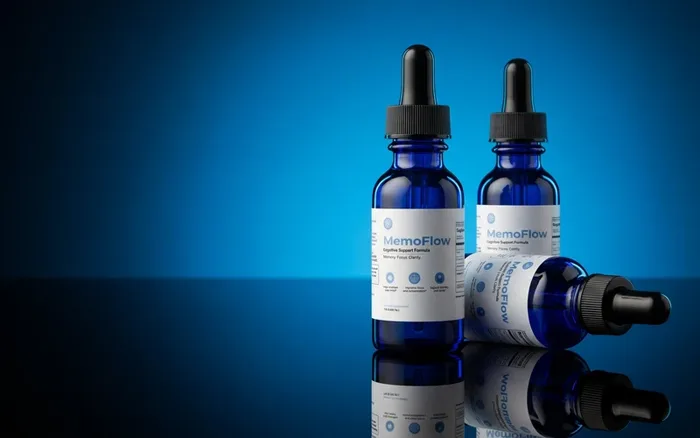
MemoFlow is relevant as a supplement designed to support brain health, offering a distinct approach to address potential environmental factors (cadmium) and provide neuroprotective benefits (lithium orotate) for individuals concerned about memory.
- Buy 3, Get 3 Free — Lowest Price Ever$19.99/bottle
- Buy 2, Get 2 Free — Most Popular$24.99/bottle
- Buy 1, Get 1 Free$29.99/bottle
We may earn a commission at no extra cost to you.