 Wellness Review Labs
 By
By 
If you are reading this, you want trustworthy, independent analysis rather than marketing copy. our goal at Wellness Review Labs is to provide that same level of unbiased, evidence-based insight to help you make informed decisions about your health.
The truth is, there's no magic pill for perfect memory, and many memory changes are a normal part of getting older. However, understanding what causes these changes and what ingredients are often found in supplements can help you separate hype from potential help.
Understanding Memory: What's Normal, What's Not?
Before diving into supplements, it's helpful to understand how memory works and what's considered typical. Our brains are incredibly complex, and memory isn't just one thing. We have short-term memory (like remembering a phone number just long enough to dial it), long-term memory (recalling your childhood home), and working memory (holding information in mind while you use it, like solving a math problem).
As we age, some changes are common:
- Slower Processing: It might take a bit longer to learn new things or retrieve information.
- Occasional Forgetfulness: Misplacing items, forgetting names, or struggling to recall a word on the tip of your tongue.
- Distractibility: Finding it harder to focus when there are distractions around.
These are generally not signs of serious memory problems. However, if memory issues start to significantly impact your daily life – like repeatedly getting lost in familiar places, struggling with basic tasks, or having trouble following conversations – it's important to speak with your doctor.
Everyday Causes of Memory Lapses (Beyond Aging)
Often, memory struggles aren't due to a lack of a specific nutrient, but rather to everyday factors that can impact brain function. Addressing these can sometimes make a bigger difference than any supplement.
- Lack of Sleep: Poor sleep quality or insufficient sleep directly impairs memory consolidation and focus.
- Stress and Anxiety: High levels of stress hormones can interfere with brain cells and memory retrieval.
- Poor Diet: A diet high in processed foods and low in nutrients can negatively affect brain health.
- Lack of Physical Activity: Exercise increases blood flow to the brain, which is crucial for cognitive function.
- Certain Medications: Some prescription and over-the-counter drugs can have memory loss as a side effect.
- Dehydration: Even mild dehydration can impact focus and cognitive performance.
- Nutrient Deficiencies: Deficiencies in certain B vitamins, vitamin D, or omega-3 fatty acids can sometimes contribute to cognitive issues.
Before reaching for supplements, consider if any of these lifestyle factors could be playing a role in your memory concerns. Simple adjustments can often yield noticeable improvements.

Common Memory Supplement Ingredients: What the Science Says
The supplement market is flooded with products claiming to boost memory. Here's a look at some common ingredients and what the current research suggests:
- Ginkgo Biloba: Often touted for circulation, some studies suggest it may help with cognitive function in certain populations, but overall evidence for significant memory improvement in healthy adults is mixed.
- Omega-3 Fatty Acids (DHA & EPA): Found in fish oil, these are crucial for brain health. Some research supports their role in cognitive function, particularly in slowing cognitive decline, but more studies are needed to confirm direct memory improvement in healthy individuals.
- B Vitamins (B6, B9/Folate, B12): These vitamins play a role in nerve function and homocysteine metabolism. High homocysteine levels have been linked to cognitive decline, so B vitamins may help in cases of deficiency, but they aren't a universal memory booster.
- Bacopa Monnieri: An herb used in traditional Ayurvedic medicine, some studies suggest it may support memory and cognitive processing, particularly in healthy adults.
- Lion's Mane Mushroom: Preliminary research shows promise for nerve growth factor stimulation, but human studies on direct memory improvement are still in early stages.
- Huperzine A: Derived from club moss, it's thought to work by inhibiting an enzyme that breaks down acetylcholine, a neurotransmitter important for memory. It's often studied for more severe cognitive impairment.
- Creatine: Best known for muscle building, some studies suggest it might help with short-term memory and reasoning, especially in vegetarians or those under stress.
It's important to remember that 'supports' or 'may help' doesn't mean a guaranteed outcome, and the quality of research varies significantly for different ingredients. Many studies are small, short-term, or conducted on specific populations.
Introducing MemoFlow: A Different Approach
When considering memory support, it's worth looking at products that approach brain health from a different angle. MemoFlow is a sublingual drop supplement that focuses on environmental factors and natural compounds.
MemoFlow contains two main ingredients: anthocyanins concentrated from wild Ikarian mountain honey and natural lithium orotate from Ikarian springs. The anthocyanins are designed to help bind and clear accumulated cadmium, an environmental heavy metal. The natural lithium orotate acts as a gentle shield against re-absorption of certain elements. These are delivered via a micromilling process called Neural MicroLock, intended for efficient sublingual absorption.
MemoFlow is made in the USA in an FDA-registered GMP-certified facility and is batch tested for quality. It comes with a 90-day money-back guarantee and starts at $19.99 per bottle for a 30-day supply (two drops per day).
It's important to understand that MemoFlow is designed to support brain health by addressing specific environmental factors and is not intended to treat, cure, or prevent any disease. Its mechanism is distinct from common memory supplement ingredients like ginkgo or omega-3s, focusing instead on supporting the brain's natural defenses against certain environmental stressors.
The Verdict
MemoFlow may be worth considering for individuals seeking general cognitive support. Its 90-day money-back guarantee offers a risk-reduced way to assess its potential benefits for everyday memory function. However, it is not a solution for significant cognitive decline.
Who This Is For — And Who It Is Not
- Individuals looking for general support for daily memory and focus.
- Those interested in a supplement to complement a healthy lifestyle.
- People who prefer products with a money-back guarantee.
- Adults experiencing occasional 'brain fog' or mild memory lapses.
- Anyone experiencing significant or worsening memory problems, who should consult a doctor.
- Individuals expecting rapid or dramatic improvements in cognitive function.
- Those who need to replace prescribed medications or medical treatments.
- People with underlying health conditions without prior medical consultation.
What We Could Not Verify
We say this plainly because most pages in this category do not. Here is what we could not independently confirm about MemoFlow:
- The specific ingredients and their exact dosages in the MemoFlow formula.
- Any independent clinical trials or studies directly on MemoFlow.
- The manufacturing processes or third-party quality control measures for the product.
- The specific mechanisms by which MemoFlow is designed to support memory.
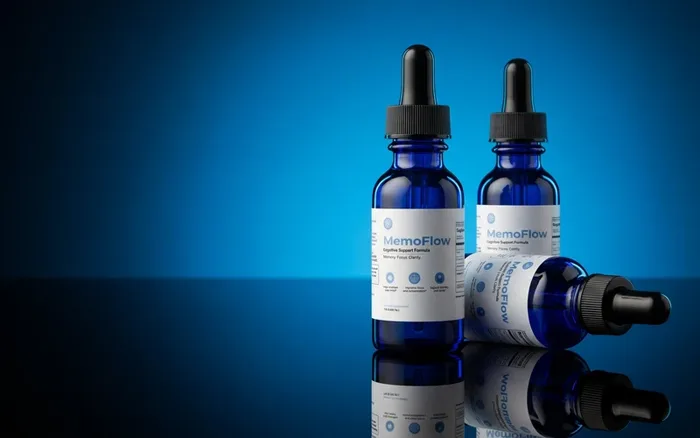
MemoFlow is relevant to this keyword by offering a distinct, targeted approach to memory support, focusing on environmental factors rather than general cognitive enhancement, providing an alternative perspective to typical memory supplement reviews.
- Buy 3, Get 3 Free — Lowest Price Ever$19.99/bottle
- Buy 2, Get 2 Free — Most Popular$24.99/bottle
- Buy 1, Get 1 Free$29.99/bottle
We may earn a commission at no extra cost to you.
What Really Helps Memory? Beyond Supplements
While supplements can be a piece of the puzzle, the strongest evidence for maintaining and even improving memory comes from lifestyle choices. These are often free or low-cost and have broad health benefits.
- Balanced Diet: Focus on a Mediterranean-style diet rich in fruits, vegetables, whole grains, lean proteins, and healthy fats. This provides antioxidants and nutrients vital for brain function.
- Regular Exercise: Aim for at least 150 minutes of moderate-intensity aerobic activity per week. Exercise increases blood flow to the brain and may stimulate the growth of new brain cells.
- Adequate Sleep: Prioritize 7-9 hours of quality sleep per night. Sleep is essential for memory consolidation and clearing brain waste products.
- Mental Stimulation: Keep your brain active by learning new things, solving puzzles, reading, playing instruments, or engaging in hobbies. Challenge your brain regularly.
- Social Engagement: Maintain strong social connections. Social interaction helps keep your brain stimulated and can reduce feelings of isolation, which are linked to cognitive decline.
- Stress Management: Practice stress-reducing techniques like meditation, yoga, deep breathing, or spending time in nature. Chronic stress can harm brain cells.
- Manage Health Conditions: Control blood pressure, cholesterol, and blood sugar. These conditions can significantly impact brain health over time.
These foundational habits are often more powerful than any single supplement in supporting long-term brain and memory health.
Making an Informed Decision
When evaluating memory supplements, always consider the following:
- Talk to Your Doctor: This is crucial. Your doctor can help determine the cause of your memory concerns, rule out underlying conditions, and advise if a supplement is safe for you, especially if you take other medications.
- Look for Quality: Choose products from reputable manufacturers that follow GMP (Good Manufacturing Practices) and ideally have third-party testing for purity and potency.
- Be Realistic: No supplement offers a quick fix or a cure for serious memory issues. Think of them as potential support, not a primary solution.
- Consider the Cost: Supplements can be expensive. Weigh the potential benefits against the cost, especially when lifestyle changes offer proven, often free, benefits.
Ultimately, a holistic approach that prioritizes a healthy lifestyle, combined with targeted support where appropriate and advised by a healthcare professional, is the most effective path to supporting your memory and overall brain health.