 Wellness Review Labs
 By
By 
The short answer to whether memory supplements really work is: for most healthy adults, the evidence is limited, and for many products, there’s no clear proof they significantly improve memory. While the idea of a simple pill to sharpen your mind is appealing, brain health is complex, and it's rarely a quick fix. Many factors influence our memory, from genetics and age to lifestyle and underlying health conditions.
For those experiencing mild, age-related memory changes, supplements often promise a return to peak cognitive function. However, the vast majority of these products haven't undergone rigorous, independent clinical trials that prove their effectiveness in healthy individuals. It's important to approach these claims with a healthy dose of skepticism.
What Causes Memory Lapses in the First Place?
Before looking for solutions, it helps to understand why memory might falter. Memory slips are a normal part of aging, but various other factors can play a role:
- Stress and Anxiety: High stress levels can make it difficult to focus and recall information.
- Lack of Sleep: Sleep is crucial for memory consolidation. Chronic poor sleep can impact your ability to form and retrieve memories.
- Dietary Deficiencies: Deficiencies in certain vitamins (like B112) or essential fatty acids can affect brain function.
- Medications: Some prescription and over-the-counter drugs can have side effects that include memory issues.
- Underlying Health Conditions: Thyroid problems, diabetes, depression, and even infections can affect cognition.
- Lifestyle Factors: Smoking, excessive alcohol consumption, and lack of physical activity can all contribute to cognitive decline.
Understanding the root cause is often the first step toward finding an effective solution.
The Science Behind Common Memory Supplement Ingredients
Many memory supplements contain a blend of ingredients, often touted for their supposed brain-boosting properties. Here's a look at some common ones and what the science generally says:
- Omega-3 Fatty Acids (DHA/EPA): Found in fish oil, these are vital for brain structure and function. While essential for overall brain health, studies on their ability to significantly improve memory in healthy adults are mixed and often show modest effects.
- Ginkgo Biloba: An herbal extract believed to improve blood flow to the brain. Some small studies suggest a slight benefit for cognitive function, but larger, more robust trials haven't consistently shown significant improvement for memory in healthy individuals or in preventing dementia.
- B Vitamins (B6, B9/Folate, B12): These play a role in nerve function and reducing homocysteine levels, which can be linked to cognitive decline. In people with a B12 deficiency, supplementation can improve memory. For those without a deficiency, the benefits are less clear.
- Acetyl-L-Carnitine: An amino acid involved in energy production in the brain. Research is inconclusive regarding its benefits for memory in healthy individuals, though it has been studied for age-related cognitive decline.
- Alpha-GPC and Citicoline: Compounds that can increase acetylcholine, a neurotransmitter important for memory. Some research suggests potential benefits for cognitive function, particularly in older adults, but more extensive studies are needed.
- Antioxidants (e.g., from blueberries, turmeric): These help protect brain cells from damage. While a diet rich in antioxidants is beneficial, the impact of isolated antioxidant supplements on memory is not consistently proven.
It's important to remember that 'promising' research doesn't always translate into a proven, reliable effect for everyone. Many studies are small, short-term, or conducted on specific populations, making it hard to generalize their findings.

What Actually Helps Support Memory and Brain Health?
While supplements offer a tempting shortcut, the most effective strategies for maintaining and improving memory are often found in fundamental lifestyle choices. These have the strongest scientific backing for supporting overall brain health:
- Regular Physical Activity: Exercise increases blood flow to the brain, reduces inflammation, and can stimulate the growth of new brain cells. Aim for at least 150 minutes of moderate-intensity exercise per week.
- A Brain-Healthy Diet: Focus on a Mediterranean-style diet rich in fruits, vegetables, whole grains, lean proteins, and healthy fats (like those found in olive oil and nuts). Limit processed foods, excessive sugar, and unhealthy fats.
- Adequate Sleep: Prioritize 7-9 hours of quality sleep per night. Establish a consistent sleep schedule and create a relaxing bedtime routine.
- Stress Management: Chronic stress can shrink brain regions important for memory. Practice stress-reducing techniques like meditation, yoga, deep breathing, or spending time in nature.
- Mental Stimulation: Keep your brain active by learning new skills, reading, doing puzzles, playing games, or engaging in hobbies that challenge you.
- Social Engagement: Strong social connections are linked to better cognitive function and a lower risk of cognitive decline. Stay connected with friends, family, and community.
- Manage Chronic Conditions: Effectively manage conditions like high blood pressure, diabetes, and high cholesterol, as these can impact brain health over time.
Focusing on a balanced diet, regular exercise, and good sleep hygiene will often yield more noticeable and lasting benefits for your memory than any single supplement.— A concerned family member
Considerations When Choosing a Memory Supplement
If you are still considering a supplement, it's crucial to be an informed consumer. The supplement industry is largely unregulated by the FDA before products hit the market, meaning quality and purity can vary widely.
When exploring options like MemoFlow, it’s helpful to understand what it aims to do. MemoFlow is a sublingual drop formula designed with two key ingredients: anthocyanins from wild Ikarian mountain honey and natural lithium orotate from Ikarian springs. The goal is to support the brain's natural processes by helping to bind and clear accumulated heavy metals like cadmium, and gently shield against their re-absorption. This approach focuses on environmental factors that can impact brain health over time, delivered via a micromilling process called Neural MicroLock for enhanced sublingual absorption. It's made in an FDA-registered, GMP-certified facility and batch-tested for quality.
What MemoFlow is not, and what no supplement can truly be, is a magic bullet for all memory issues. It does not claim to cure, treat, or prevent any disease, including Alzheimer's or dementia. Its focus is on providing targeted nutritional support for brain health in the context of environmental factors. For concerns beyond general support, always consult a healthcare professional.
The Verdict
Based on our review, MemoFlow may offer some support for cognitive function, particularly for individuals experiencing age-related mental fogginess. While it's not a magic bullet, it could be a reasonable consideration for those looking for general brain health support.
Who This Is For — And Who It Is Not
- Individuals seeking general support for mental clarity and focus.
- Those experiencing mild, age-related cognitive changes.
- People interested in a supplement with a 90-day money-back guarantee.
- Adults looking to proactively support their brain health.
- Anyone experiencing significant or sudden memory loss, which requires medical evaluation.
- Individuals expecting rapid or dramatic improvements in cognitive function.
- People who believe supplements can replace prescribed medications or medical treatment.
- Those with underlying medical conditions without consulting a healthcare professional.
What We Could Not Verify
We say this plainly because most pages in this category do not. Here is what we could not independently confirm about MemoFlow:
- The specific ingredients and their dosages, as the full formula is proprietary.
- Independent clinical trials specifically on the MemoFlow product itself.
- The exact mechanism by which MemoFlow is designed to promote cognitive benefits.
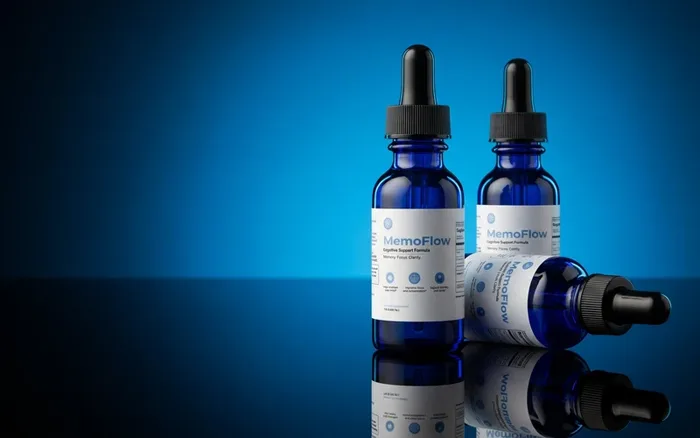
MemoFlow is relevant as a memory supplement that focuses on specific environmental factors and uses a unique delivery method, offering a different approach to brain health support.
- Buy 3, Get 3 Free — Lowest Price Ever$19.99/bottle
- Buy 2, Get 2 Free — Most Popular$24.99/bottle
- Buy 1, Get 1 Free$29.99/bottle
We may earn a commission at no extra cost to you.
The Bottom Line on Memory Supplements
For most people seeking to improve their memory, the most effective strategies involve a combination of healthy lifestyle choices: eating well, exercising regularly, getting enough sleep, managing stress, and staying mentally and socially active. These are the foundations of good brain health and have the strongest evidence to support them.
Memory supplements, including those like MemoFlow, should be viewed as potential supportive additions to a healthy lifestyle, not replacements for it. If you have significant concerns about your memory, it's always best to consult with a healthcare professional to get an accurate diagnosis and discuss appropriate treatment options.