 Wellness Review Labs
 By
By 
Swollen feet, medically known as edema, occur when fluid accumulates in the tissues. This can happen for many reasons, from benign everyday factors to more serious medical conditions. Knowing when to be concerned is key to protecting your health.
When to Be Concerned: Red Flags for Swollen Feet
While occasional swelling is common, certain symptoms accompanying swollen feet should prompt a call to your doctor or even an emergency visit. These are the red flags you shouldn't ignore:
- Sudden, severe swelling: If swelling appears rapidly, especially in just one leg or foot, it could indicate a serious condition like a deep vein thrombosis (DVT), a blood clot.
- Pain and redness: Swelling accompanied by warmth, redness, and significant pain might signal an infection (cellulitis) or a blood clot.
- Shortness of breath or chest pain: If swelling in your legs is paired with difficulty breathing, chest pain, or dizziness, seek immediate medical attention. This could be a sign of a pulmonary embolism (a blood clot in the lungs) or heart failure.
- Swelling in only one leg: While not always serious, unilateral swelling can be a sign of a DVT or other localized issues that need investigation.
- Swelling that doesn't improve: If swelling persists for several days, worsens, or doesn't respond to home remedies like elevation and rest, it's time to see a healthcare professional.
- Swelling accompanied by skin changes: Tight, shiny, or stretched skin, or skin that retains a dimple after pressing (pitting edema), can indicate significant fluid retention.
Understanding Edema: Why Does Fluid Build Up?
Edema is essentially an imbalance in the body's fluid management system. Our blood vessels and lymphatic system work together to circulate fluids. When this system is disrupted, fluid can leak out of capillaries and accumulate in the surrounding tissues, causing swelling.
The lymphatic system, in particular, matters. It's a network of vessels and nodes that collects excess fluid, proteins, and waste products from tissues and returns them to the bloodstream. If the lymphatic system isn't working efficiently, either due to damage, blockage, or simply being overwhelmed, fluid can build up, leading to edema.
Common, Less Serious Causes of Swollen Feet
Before jumping to conclusions, it's important to recognize that many cases of swollen feet are not dangerous and can be managed with simple adjustments. These are some of the most frequent culprits:
- Prolonged standing or sitting: Gravity naturally pulls fluid down, especially after long periods without movement.
- Hot weather: Heat can cause blood vessels to expand, making it easier for fluid to leak into tissues.
- Dietary factors: High sodium intake can lead to fluid retention as your body tries to dilute the extra salt.
- Pregnancy: The body produces more blood and fluid during pregnancy, and the growing uterus can put pressure on veins, impeding circulation.
- Certain medications: Some drugs, including certain blood pressure medications, NSAIDs, steroids, and hormones, can cause fluid retention as a side effect.
- Minor injury: A sprain or strain can cause localized swelling as part of the healing process.
- Hormonal fluctuations: Many women experience mild swelling before their menstrual period due to hormonal changes.
When to See a Doctor for Swollen Feet
If you experience any of the red flags mentioned earlier, seek immediate medical attention. For less urgent but persistent or concerning swelling, it's wise to schedule an appointment with your primary care physician. They can help identify the cause and recommend appropriate treatment.
Your doctor may perform a physical examination, review your medical history, and order tests such as blood work, urine tests, an ultrasound, or an EKG to check your heart and kidney function, or to rule out blood clots.
I used to just ignore my puffy ankles, thinking it was normal for getting older. But when one leg started hurting and looked really red, I knew it was time to get it checked out. Turns out it was a minor infection, but I'm glad I didn't wait.— A concerned reader
Everyday Strategies to Manage Mild Swelling
For common, non-dangerous swelling, several simple strategies can make a big difference:
- Elevate your legs: Raise your feet above your heart for 15-30 minutes several times a day. You can use pillows while lying down.
- Move regularly: Avoid prolonged periods of standing or sitting. Take short walks, stretch, or do simple leg exercises if you're sedentary.
- Stay hydrated: Drinking enough water can actually help reduce fluid retention, as dehydration can signal your body to hold onto fluid.
- Reduce sodium intake: Limit processed foods, canned goods, and salty snacks. This can significantly reduce fluid buildup.
- Wear compression stockings: These gently squeeze your legs, helping to prevent fluid from pooling. Consult your doctor for the right level of compression.
- Wear comfortable shoes: Avoid tight shoes or high heels that can restrict circulation.
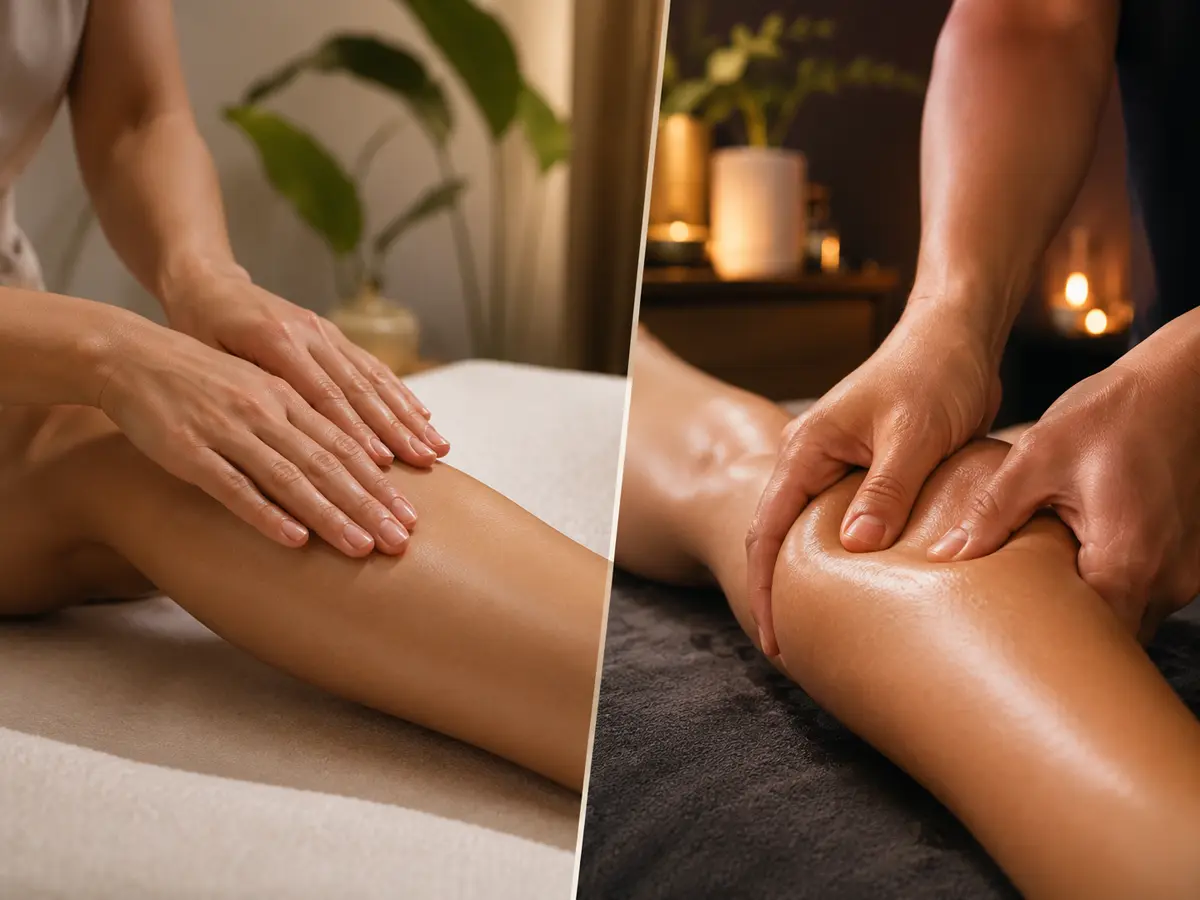
- Gentle massage: Massaging your feet and ankles upwards towards your heart can help move fluid.
Supporting Your Lymphatic System: An Additional Approach
Beyond these behavioral changes, some individuals look for additional support for their body's natural fluid management systems, particularly the lymphatic system. Certain plant-based ingredients are thought to help promote healthy lymphatic flow and reduce occasional fluid retention.
Our product, Linfaflow, is a plant-based liquid drop formulation designed to help support healthy lymphatic function. It contains ingredients like Red Clover, Cleavers, and Dandelion Root, which have a long history of traditional use for supporting fluid balance and detoxification. While Linfaflow is not a cure for any medical condition and won't address serious causes of swelling like DVT or heart failure, it may be a complementary option for those looking to encourage healthy lymphatic drainage and reduce occasional, mild fluid buildup. It's a simple addition to your daily routine, backed by a 90-day money-back guarantee, allowing you to try it risk-free as part of your overall wellness strategy.

Linfaflow is presented as a plant-based liquid drop that may help support healthy lymphatic function and reduce occasional, mild fluid buildup, complementing other lifestyle strategies for non-dangerous swollen feet.
- Buy 3, Get 3 Free — Lowest Price Ever$19.99/bottle
- Buy 2, Get 2 Free — Most Popular$29.99/bottle
- Buy 1, Get 1 Free$34.75/bottle
We may earn a commission at no extra cost to you.
Remember, always consult with your healthcare provider before starting any new supplement, especially if you have existing health conditions or are taking medications. Supplements are intended to complement, not replace, medical advice and treatment.