 Wellness Review Labs
 By
By 
We often think of blood pressure issues as something that only affects older generations. However, modern life—marked by high stress, sedentary desk work, and heavily processed dietary habits—has led to rising rates of cardiovascular strain among people in their twenties, thirties, and forties. Because the human body adapts remarkably well in younger years, blood pressure can creep upward over a period of years without triggering obvious alarms or emergency signals.
This disconnect between how you feel and what your cardiovascular system is actually experiencing is precisely why younger populations are often caught off guard. You might maintain an active social life, feel generally energetic, and assume everything is fine internally, while your arterial walls are quietly adapting to sustained higher resistance. Understanding this dynamic is the first step toward taking proactive control of your long-term circulatory wellness.
Why Early High Blood Pressure Is Often Called a Quiet Condition
One of the most persistent myths is that high blood pressure makes you feel nervous, flushed, or visibly tense throughout the day. For the vast majority of young adults, this is simply not true. Your cardiovascular system has an extraordinary capacity to function under increased pressure for a long time before you notice any physical shift whatsoever. When symptoms do appear, they are usually non-specific and easily mistaken for the normal stresses of a busy lifestyle.
- Dull morning headaches located around the base of the skull or forehead that tend to fade as the day progresses.
- Unexplained fatigue and mental fog that do not improve, even after a standard night of sleep.
- Mild vision blurring or fleeting eye strain during times of intense workplace stress or sudden physical movement.
- A fluttering sensation, mild chest tightness, or occasional pounding in the chest after routine physical exertion.
Because these signs overlap heavily with everyday exhaustion, poor sleep hygiene, and caffeine reliance, they are rarely recognized as cardiovascular warning flags until a routine clinical check reveals elevated numbers.
Common Triggers for Younger Populations
When elevated readings appear in younger adults, clinicians look far beyond natural aging. Modern lifestyle pressures are primary drivers. Chronic emotional stress, high daily sodium intake from convenience foods, a distinct lack of consistent cardiovascular movement, and fragmented sleep patterns are the most frequent contributors to early arterial strain.
In addition to these daily habits, genetic predispositions can play a significant role. If your parents or siblings experienced early cardiovascular issues, your body may respond more sensitively to dietary sodium and stress hormones. Hormonal fluctuations, certain over-the-counter medications like routine pain relievers, and high caffeine or energy drink consumption also act behind the scenes to nudge blood pressure upward.
Practical Ways to Support Your Heart Free of Charge
Before considering any outside products or supplements, the most effective steps you can take cost nothing at all. Small, consistent shifts in your daily habits help your blood vessels maintain their natural elasticity and reduce overall cardiovascular strain without requiring a complete life overhaul.
- Prioritize seven to eight hours of restorative sleep to help reset your autonomic nervous system and lower nighttime heart rates.
- Increase potassium-rich whole foods like leafy greens, avocados, sweet potatoes, and beans to help your body naturally balance sodium levels.
- Incorporate 30 minutes of brisk daily walking, swimming, or cycling to keep your circulatory system strong and flexible.
- Practice intentional breathing exercises or mindfulness for five minutes daily to blunt the immediate physical impact of chronic workplace stress.
Many younger patients are surprised to learn that their daily stress and irregular sleep schedules are doing more to influence their blood pressure than anything else in their routine.— Practicing Physician in Internal Medicine
Nutritional Support for Long-Term Wellness
When people are actively working to support their cardiovascular health alongside a wholesome diet and regular exercise, many look for convenient daily nutritional insurance. This is where options like Cardiocept come into play as a convenient capsule format designed to provide nutritional support for heart health, healthy blood pressure, and overall cardiovascular wellness.
It is vital to understand what this product does and what it does not do. Cardiocept is not a medication, it does not lower blood pressure on its own, and it can never replace prescribed blood-pressure treatments. If you are currently taking medication prescribed by a doctor, you must continue taking it exactly as directed and speak with your healthcare provider before adding any new supplement to your routine. For those looking for daily dietary support, the product is available in current package pricing options across 2-, 3-, and 6-bottle packages, and is backed by a 60-day money-back guarantee.
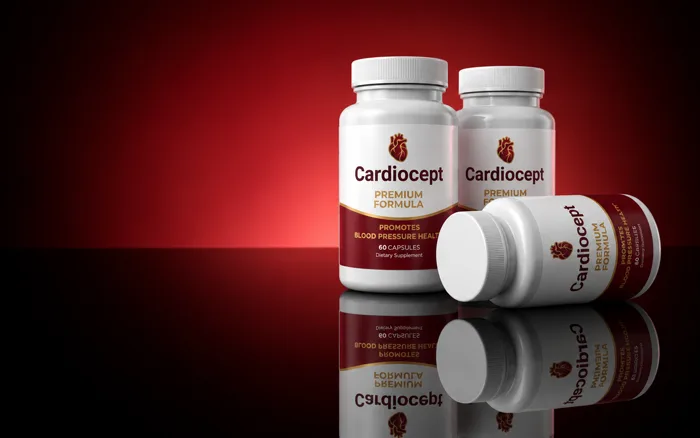
Cardiocept offers daily capsule-based nutritional support for younger adults looking to complement their heart-healthy routines and circulatory wellness.
- 6-Bottle Package — Lowest Price Per Bottlebest value/bottle
- 3-Bottle Package — Most Popularmost popular/bottle
- 2-Bottle Packagestarter/bottle
We may earn a commission at no extra cost to you.
Building a Sustainable Routine for the Future
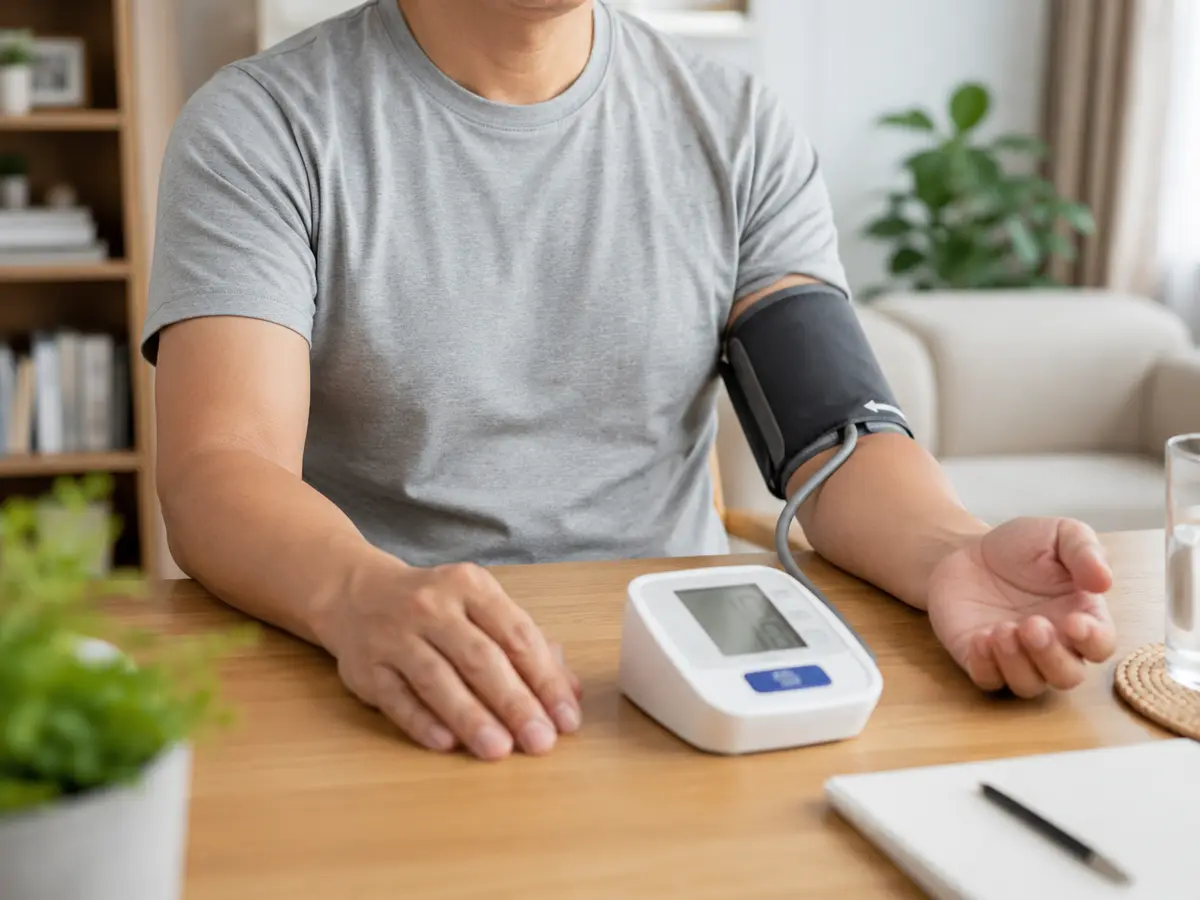
Caring for your cardiovascular health in your twenties, thirties, or forties is an investment that pays off decades down the road. Because hypertension symptoms in young adults are so rare, your greatest defense is proactive awareness rather than waiting for your body to send an emergency signal. By pairing sensible home monitoring, stress management, and nourishing daily habits with open communication with your physician, you establish a resilient foundation for a long, active life.