 Wellness Review Labs
 By
By 
For most women, hypertension has no symptoms at all. However, when blood pressure is significantly elevated, or during hormonal transitions like menopause, some women experience subtle symptoms like morning headaches, shortness of breath, chest flutters, dizziness, or fatigue. Because these mimic daily stress, they are easily missed. Relying on physical feelings alone is not enough to protect your cardiovascular system.
Why High Blood Pressure is Different for Women
For decades, cardiovascular health was studied primarily through the lens of men's health. Today, we know that women's cardiovascular systems experience unique physiological shifts, particularly as they age. Before menopause, naturally occurring estrogen helps keep blood vessels flexible and compliant, allowing blood to flow easily. This natural protection is why younger women generally experience lower rates of hypertension than men of the same age.
However, as estrogen levels begin to fluctuate and decline during perimenopause and menopause, this protective benefit fades. Blood vessels gradually become stiffer and less elastic. When the heart has to pump blood through stiffer vessels, the pressure inside those walls naturally rises. This transition often occurs between the ages of 45 and 65, making this a critical window for women to pay close attention to their cardiovascular health.
The Subtle Symptoms Women Often Attribute to Something Else
Because high blood pressure is famously known as the "silent killer," many women assume they are perfectly fine if they feel fine. But when blood pressure rises to moderate or high levels, certain physical signs can emerge. Unfortunately, these signs are frequently brushed off as symptoms of a busy lifestyle, poor sleep, or aging.
- Dull, throbbing headaches: Unlike tension headaches or migraines, a hypertension-related headache often presents as a dull, persistent throbbing, particularly concentrated at the back of the head and noticed first thing in the morning.
- Shortness of breath: You might notice you feel unusually winded after climbing a flight of stairs or walking at a brisk pace that used to feel effortless.
- Chest flutters or palpitations: Some women describe feeling a sudden racing, skipping, or fluttering sensation in their chest, which can easily be mistaken for a panic attack or hot flash.
- Dizziness and lightheadedness: Feeling unsteady on your feet, especially when standing up quickly, can indicate that your heart and blood vessels are struggling to manage pressure changes.
- Sleep disturbances and fatigue: Chronic high blood pressure can disrupt sleep quality, leaving you feeling exhausted even after a full night in bed.

The Hormonal Connection: Menopause and Blood Pressure
The transition through menopause is not just about hot flashes and mood shifts; it is also a period of significant cardiovascular restructuring. Research suggests that after menopause, a woman's risk of developing high blood pressure increases substantially. In fact, more than half of women over the age of 60 have hypertension.
During this phase of life, weight distribution often changes, with more fat accumulating around the abdomen. This shift in body composition, combined with the loss of estrogen's protective effects on vascular elasticity, creates a perfect storm for rising blood pressure. Understanding this connection helps remove the guilt many women feel; it is not simply a personal failure of diet or exercise, but a biological shift that requires proactive management.
Practical and Free Ways to Support Your Heart Today
Managing your blood pressure does not have to mean making drastic, overwhelming life changes overnight. Some of the most effective strategies are simple, daily habits that you can start right now without spending a dime.
Invest in a home blood pressure monitor: This is the single most important step you can take. Measuring your blood pressure at home, in a quiet and relaxed state, gives your doctor a much more accurate picture of your health than a single reading in a stressful medical office. Aim to sit quietly for five minutes before taking a reading, keeping your feet flat on the floor and your arm supported at heart level.
Adjust your mineral balance: While reducing sodium is helpful, increasing your intake of potassium-rich foods is equally powerful. Potassium helps relax blood vessel walls and assists your kidneys in flushing out excess sodium. Incorporate more leafy greens, sweet potatoes, bananas, and avocados into your daily meals.
Embrace daily, moderate movement: You do not need to run marathons to protect your heart. A daily, brisk 30-minute walk can help strengthen your heart muscle, allowing it to pump blood with less effort, which naturally reduces pressure on your arteries over time.
I used to think my racing heart and morning headaches were just part of navigating menopause and a demanding job. Once I started tracking my numbers at home, I realized my body was trying to tell me something important about my heart.— Illustrative experience of a 54-year-old reader
Considering Nutritional Support: Cardiocept
For women looking to complement their healthy lifestyle choices with targeted nutritional support, daily supplements are a popular option. One such product is Cardiocept, a daily capsule designed to promote overall cardiovascular wellness, healthy blood pressure, and general heart health.
As an independent review site, we believe in complete transparency. It is important to note that the manufacturer of Cardiocept does not publish its full ingredient list. If you are someone who prefers to research and verify every specific compound before introducing a supplement to your body, this lack of disclosure is something to carefully consider.
Additionally, we must be absolutely clear: Cardiocept does not lower blood pressure and is not a replacement for prescribed blood-pressure medications. If you are currently taking medication to manage your blood pressure, you must continue your treatment exactly as prescribed. Always consult your primary care doctor or cardiologist before adding any new supplement to your routine to ensure there are no potential interactions.
If you decide to try Cardiocept as a supportive addition to your heart-healthy habits, it is sold in flexible options including 2-, 3-, and 6-bottle packages. Because prices fluctuate, you will need to check their website for current package pricing. The product is backed by a 60-day money-back guarantee, allowing you to try it with peace of mind.
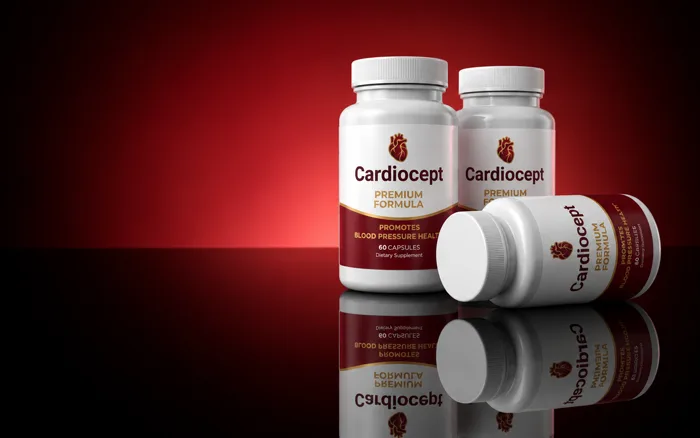
This article helps women understand the subtle, often overlooked symptoms of high blood pressure and introduces Cardiocept as a potential supportive option for overall cardiovascular wellness alongside medical care.
- 6-Bottle Package — Lowest Price Per Bottlebest value/bottle
- 3-Bottle Package — Most Popularmost popular/bottle
- 2-Bottle Packagestarter/bottle
We may earn a commission at no extra cost to you.
When to See a Doctor Immediately
While mild to moderate hypertension can develop slowly and quietly, a sudden and severe spike in blood pressure requires immediate medical attention. This is known as a hypertensive crisis. If you experience a sudden, excruciating headache, severe chest pain, shortness of breath, blurry vision, or numbness/weakness, do not wait to see if it passes. Seek emergency medical care immediately, as these symptoms can indicate acute strain on your cardiovascular system.