 Wellness Review Labs
 By
By 
Good circulation is essentially your body's internal delivery system. Your heart pumps oxygen-rich blood through your arteries, and your veins carry it back up against gravity. When that loop runs smoothly, your muscles feel warm, your mind stays sharp, and your energy holds steady throughout the day. It is an intricate, continuous network spanning tens of thousands of miles of blood vessels, all working in concert behind the scenes.
Over the years, various factors can slow this process down. Sitting for long periods, inadequate hydration, dietary habits high in sodium, and normal vascular aging all play a part. Fortunately, you do not need a complicated routine or expensive medical interventions to give your circulatory system a helping hand. Small, sustainable adjustments made throughout your day can accumulate into meaningful support for your overall cardiovascular comfort.
Everyday Habits That Naturally Encourage Blood Flow
Before looking at any supplement or extra product, the foundation of good circulation rests on simple daily behaviors. These free, accessible steps cost nothing and can be integrated into your schedule immediately, regardless of your current fitness level or daily routine:
- The 45-Minute Movement Rule: If your work or hobbies involve sitting, set a gentle timer to stand up, stretch your calves, and walk around your room for two minutes to reset lower body blood flow.
- Calf Muscle Activation: Your calf muscles act as a secondary pump, pushing venous blood back toward your heart. Simple heel raises while standing at the kitchen counter make a noticeable difference.
- Hydrate Consistently: Dehydration thickens the blood, making your heart work harder to move it. Keep a glass of water nearby throughout the day and sip regularly.
- Temperature Contrast Showers: Alternating between warm and cool water at the end of your shower can encourage surface blood vessels to expand and contract dynamically.
When you commit to breaking up sedentary stretches with even brief bouts of movement, you prevent blood from pooling in the lower extremities. This keeps your entire vascular system gently active without placing undue stress on your joints or heart.
My legs used to feel heavy and tired by mid-afternoon just from sitting at my desk. Taking short walking breaks every hour changed how my lower body felt by evening.— Reader from our community questionnaire, age 58
Foods and Nutrients That Support Vascular Health
What you put on your plate feeds your blood vessels directly. The lining of your arteries—known as the endothelium—relies on specific nutrients to produce nitric oxide, a delicate compound that helps blood vessels relax and widen smoothly as your heart pumps.
Incorporating leafy greens like spinach and kale, beets, citrus fruits, and omega-3 rich fish provides natural support for vascular tone. However, busy schedules, traveling, or simple dietary gaps can make it challenging to hit every nutritional mark through meals alone every single day. That is why many people look for reliable ways to complement their kitchen habits with targeted additions.
Where Daily Nutritional Support Fits In
When readers ask how to help circulation alongside diet and exercise, they often look into structured daily supplements. At Wellness Review Labs, we evaluate options that aim to bridge nutritional gaps without requiring a complete lifestyle overhaul or complicated meal preparation.
One option designed for this exact purpose is Cardiocept, a capsule-based supplement formulated to provide nutritional support for heart health, healthy blood pressure, and overall cardiovascular wellness. It is intended to complement an active lifestyle, proper hydration, and a balanced diet rather than replace them.
Cardiocept is available in flexible multi-bottle packages (2, 3, and 6 bottles) depending on how long you prefer to stock your routine, with current package pricing varying by quantity. The manufacturer backs purchases with a straightforward 60-day money-back guarantee, giving you ample time to evaluate whether it suits your daily wellness habits.
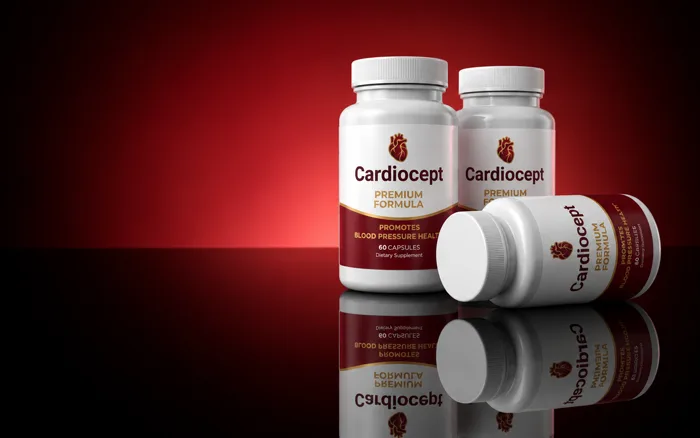
Cardiocept provides structured daily nutritional support for individuals looking to complement their heart health and circulation routine with capsules.
- 6-Bottle Package — Lowest Price Per Bottlebest value/bottle
- 3-Bottle Package — Most Popularmost popular/bottle
- 2-Bottle Packagestarter/bottle
We may earn a commission at no extra cost to you.
Stretching and Compression for Tired Legs
If your primary concern with circulation is physical discomfort, swelling, or lingering fatigue in your lower legs by the end of the day, targeted physical measures can offer immediate relief and comfort.
- Leg Elevation: Lying on the floor with your legs propped up on pillows at a 45-degree angle for 15 minutes helps gravity assist venous return.
- Gentle Ankle Rotations: Rotating your ankles in slow circles while seated keeps joint fluid mobile and encourages local fluid movement.
- Graduated Compression Socks: If approved by your healthcare provider, mild compression stockings can gently support surface veins during long periods of standing, sitting, or travel.
Combining these physical techniques with your daily hydration and movement habits creates a comprehensive routine that addresses both internal blood flow and external comfort.
When to Talk to a Physician
While minor circulation sluggishness is a normal part of getting older, sudden or severe symptoms require medical evaluation. Always consult a physician if you experience sudden swelling in one leg, pain when walking that disappears with rest, sores on your feet that do not heal, or unexplained skin discoloration.
Your doctor can perform simple assessments to ensure your circulatory system is functioning safely and rule out any underlying conditions that require targeted medical intervention.