 Wellness Review Labs
 By
By 
When it comes to managing blood pressure, the first and most important steps are usually lifestyle-related: regular exercise, a balanced diet rich in fruits and vegetables, limiting sodium, maintaining a healthy weight, and stress reduction. However, some individuals also look to dietary supplements to further support their efforts. While no vitamin or supplement can replace these foundational habits or prescribed medications, certain nutrients have been studied for their potential role in maintaining blood pressure within a healthy range. We’ll look at the evidence for some of the most commonly discussed options.
Key Vitamins and Minerals for Blood Pressure Support
Several vitamins and minerals are frequently mentioned in discussions about blood pressure. Here’s a closer look at those with the most research behind them:
- Magnesium: This mineral matters in many bodily functions, including muscle and nerve function, blood glucose control, and blood pressure regulation. Magnesium helps relax blood vessels, which can contribute to lower blood pressure. Many Americans don't get enough magnesium from their diet, making supplementation a consideration for some.
- Potassium: Potassium helps balance sodium levels in the body. A diet rich in potassium can help counteract the effects of too much sodium, which is known to raise blood pressure. Fruits and vegetables are excellent sources of dietary potassium.
- Vitamin D: Beyond bone health, vitamin D is involved in various physiological processes, including cardiovascular function. Some research suggests a link between vitamin D deficiency and higher blood pressure, though more studies are needed to fully understand its direct impact and the optimal dosage for blood pressure support.
- B Vitamins (especially Folate): While not a primary focus, some B vitamins, particularly folate (vitamin B9), are involved in processes that can affect blood vessel health. Folate helps break down homocysteine, an amino acid that, in high levels, has been associated with an increased risk of heart disease.
getting these nutrients from whole foods whenever possible is generally preferred. For example, leafy greens, nuts, seeds, and legumes are great sources of magnesium; bananas, oranges, and potatoes are rich in potassium. Sunlight exposure helps the body produce vitamin D, and fatty fish also contain it. However, if dietary intake is insufficient, supplements may be considered after consulting with a healthcare provider.
Other Natural Compounds That May Help
Beyond individual vitamins and minerals, several other natural compounds have garnered attention for their potential to support healthy blood pressure:
- Coenzyme Q10 (CoQ10): An antioxidant produced naturally in the body, CoQ10 is vital for energy production in cells and has been studied for its role in heart health. Some research indicates that CoQ10 supplementation may help support healthy blood pressure levels, particularly in individuals whose levels are already elevated.
- Omega-3 Fatty Acids: Found in fatty fish like salmon and mackerel, omega-3s are known for their anti-inflammatory properties and benefits for heart health. While their direct impact on blood pressure is modest, they contribute to overall cardiovascular well-being.
- Hibiscus Extract: The hibiscus plant, often consumed as a tea, contains compounds that may help relax blood vessels and act as a natural diuretic, potentially contributing to lower blood pressure. Several studies have shown promising results.
- Beetroot Extract: Beets are rich in nitrates, which the body converts into nitric oxide. Nitric oxide helps dilate blood vessels, improving blood flow and potentially reducing blood pressure. Beetroot juice or extract has been shown to have a short-term impact on blood pressure.
The mechanisms behind these compounds vary, but many involve improving blood vessel flexibility, reducing inflammation, or acting as natural diuretics.

Understanding How Supplements Fit In
Supplements are designed to complement, not replace, a healthy lifestyle and medical treatments. If you're concerned about your blood pressure, your first step should always be to consult with your doctor. They can help you understand your individual needs, assess any underlying conditions, and guide you on the most effective strategies, which may include dietary changes, exercise, stress management techniques, and potentially medication.
When considering supplements, it's important to look for reputable brands that provide transparent information about their ingredients and sourcing. The quality and purity of supplements can vary widely. Always discuss any new supplement with your doctor, especially if you are taking other medications, as there can be interactions.
CardioClear: An Option for Cardiovascular Support
For those looking for a comprehensive supplement designed to support cardiovascular health and circulation, CardioClear is an option to consider. It contains a blend of ingredients known for their roles in heart health, including some that may indirectly support blood pressure by promoting overall circulatory function. CardioClear is formulated with ingredients like specific vitamins and natural extracts that are often researched for their ability to help maintain healthy blood flow and support the integrity of blood vessels.
It's important to understand that CardioClear is designed as a *support* formula. It aims to complement a healthy lifestyle by providing nutrients that contribute to the normal functioning of the cardiovascular system. It is not a treatment for high blood pressure and should not replace any medications prescribed by your doctor. What it does do is offer a blend of ingredients intended to bolster the body's natural mechanisms for maintaining good heart and circulatory health. It focuses on aspects like blood vessel elasticity and efficient circulation, which are foundational to overall cardiovascular well-being.
The Verdict
Based on the available information, CardioClear could be a suitable option for individuals seeking general nutritional support for cardiovascular health. While it may help support healthy blood pressure levels already within a normal range, it is not a solution for diagnosed medical conditions.
Who This Is For — And Who It Is Not
- Individuals looking for daily nutritional support for overall heart health.
- People interested in maintaining blood pressure levels already within a healthy range.
- Those who appreciate a 90-day money-back guarantee for trying new supplements.
- Anyone seeking a convenient supplement to complement a healthy lifestyle.
- Anyone with diagnosed high blood pressure or other cardiovascular conditions; consult a doctor instead.
- Individuals expecting rapid or dramatic changes in their blood pressure readings.
- People who are currently taking prescription medication for blood pressure or heart conditions.
- Anyone who requires specific ingredient information to make informed supplement choices.
What We Could Not Verify
We say this plainly because most pages in this category do not. Here is what we could not independently confirm about CardioClear:
- The specific ingredients and their dosages within the CardioClear formula.
- Independent clinical studies directly supporting the efficacy of this particular product.
- The manufacturing processes and quality control standards employed.
- The typical timeframe for potential benefits to be observed.
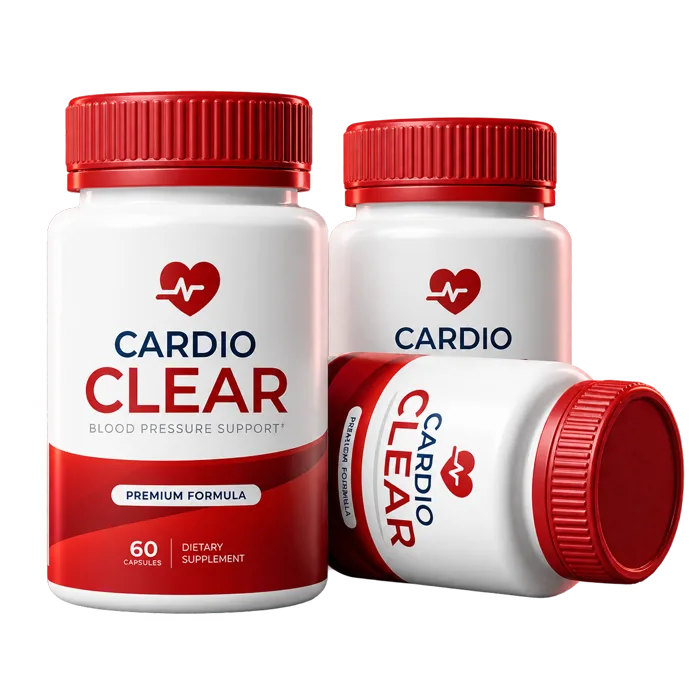
CardioClear is relevant here as a comprehensive supplement designed to support overall cardiovascular and circulatory health, which can indirectly contribute to maintaining healthy blood pressure as part of a broader wellness strategy.
- Buy 3, Get 3 Free — Lowest Price Ever$29.99/bottle
- Buy 2, Get 2 Free — Most Popular$39.99/bottle
- Buy 1, Get 1 Free$59.99/bottle
We may earn a commission at no extra cost to you.
Making Sustainable Lifestyle Changes
Ultimately, the most powerful tools for maintaining healthy blood pressure are within your daily routine. Here are some proven strategies:
- Adopt a DASH-style diet: The Dietary Approaches to Stop Hypertension (DASH) eating plan emphasizes fruits, vegetables, whole grains, lean protein, and low-fat dairy while limiting saturated fat, cholesterol, and sodium.
- Regular physical activity: Aim for at least 150 minutes of moderate-intensity aerobic exercise per week, such as brisk walking, swimming, or cycling.
- Maintain a healthy weight: Losing even a small amount of weight can have a significant positive impact on blood pressure.
- Reduce sodium intake: Processed foods are often high in sodium. Reading labels and cooking at home can help you control your intake.
- Limit alcohol: Excessive alcohol consumption can raise blood pressure. If you drink, do so in moderation.
- Manage stress: Techniques like meditation, yoga, deep breathing exercises, or spending time in nature can help reduce stress levels, which in turn can positively influence blood pressure.
- Prioritize sleep: Aim for 7-9 hours of quality sleep per night. Poor sleep can contribute to higher blood pressure.
"Small, consistent changes to diet and activity can have a profound effect on blood pressure over time. It's about building habits that support your body's natural ability to stay healthy."— A Wellness Review Labs Contributor
The Bottom Line
While specific vitamins and natural compounds show promise in supporting healthy blood pressure, they are most effective when integrated into a comprehensive approach. This approach always starts with a healthy lifestyle and, when necessary, medical guidance. Supplements like CardioClear can serve as a supportive addition, providing targeted nutrients to help maintain overall cardiovascular and circulatory health. Always prioritize open communication with your healthcare provider to ensure you're making the best choices for your unique health needs.