 Wellness Review Labs
 By
By 
When women reach their late forties or early fifties, the ovaries begin winding down production of the primary female sex hormones: estrogen and progesterone. This multi-year transition, known as perimenopause, brings a cascade of physiological changes. While many women widely anticipate classic symptoms like hot flashes, brain fog, and irregular menstrual cycles, the gradual shift in body composition and midlife weight gain often catches them completely off guard. Understanding the internal mechanics of this transition is the first step toward reclaiming your physical comfort and metabolic health.
It is common to feel frustrated when decades-old routines of eating a bit less and moving a bit more stop yielding results. Your body is not broken; rather, its internal chemical instructions have been rewritten by shifting hormones. Recognizing that these changes are biological rather than a failure of willpower helps remove the self-blame, opening the door to strategies that actually match your current life stage.
The Estrogen Connection: Why Fat Storage Shifts
Estrogen does far more than regulate reproduction and the menstrual cycle. It influences insulin sensitivity, tells fat cells where to store incoming energy, and plays a direct role in how the brain regulates appetite and satiety. As estrogen levels rise and fall unpredictably during perimenopause, the body's internal chemistry changes in several distinct ways that directly impact your scale weight and clothing fit.
First, declining and erratic estrogen signals the body to shift its preferred fat storage sites away from the traditional subcutaneous depots on the hips and thighs and toward the abdominal cavity. This visceral fat sits deeper around internal organs. Unlike surface fat, visceral fat is biologically active, meaning it interacts differently with hormones, inflammatory pathways, and blood sugar regulation. Second, lower baseline estrogen can reduce your body's sensitivity to insulin. When cells become less responsive to insulin, the body is slightly more prone to storing dietary carbohydrates as fat rather than burning them efficiently for immediate cellular energy, making blood sugar management a central priority during these years.
The Metabolism and Muscle Equation
Beyond direct hormonal shifts, midlife weight changes are driven by a natural, progressive loss of lean muscle mass, a physiological process known as sarcopenia. Muscle tissue is metabolically expensive for the body to maintain, meaning it burns significantly more calories at rest than fat tissue does. As women age—and particularly as estrogen levels decline—maintaining and building muscle becomes noticeably harder without intentional, targeted effort.
If lean muscle mass drifts downward year by year, your total daily energy expenditure drops right along with it. This creates a quiet moving target: eating the exact same foods and maintaining the exact same activity level you did at age forty can suddenly result in a gradual, persistent caloric surplus. Layered on top of this is the universal reality of busy midlife schedules, where sitting at desks or in cars for hours further reduces spontaneous daily movement, compounding the slowing of your resting metabolic rate.
- Shifting hormone signals: Lower and fluctuating estrogen alters insulin sensitivity and actively encourages deep abdominal fat storage.
- Declining muscle mass: Natural age-related muscle loss slows down your resting metabolic rate, meaning you burn fewer calories at rest.
- Sleep disruption: Night sweats, hot flashes, and waking in the middle of the night elevate cortisol, which increases appetite for sugar and refined carbohydrates.
- Increased stress: Competing midlife demands collide with hormonal shifts to keep stress hormones chronically elevated, impacting digestion and fat burning.

Practical Ways to Support Your Metabolism Today
You do not have to accept midlife weight gain as an inevitable sentence or surrender to restrictive, punishing diets that leave you exhausted and depleted. While you cannot stop natural hormonal shifts, you can dramatically change how your body responds to them by adopting habits that work in harmony with your physiology rather than fighting against it. Small, consistent daily adjustments often yield the most sustainable, long-lasting results.
Focus your nutritional efforts first on adequate protein intake. Aiming for twenty to thirty grams of high-quality protein per meal helps preserve precious lean muscle mass and triggers satiety hormones in the gut that keep you feeling full and satisfied much longer. Pair this smart protein strategy with resistance training two or three times a week—whether using hand weights, resistance bands, or challenging bodyweight movements. Progressive strength training sends a powerful biological signal to your metabolism to stay active and protect your structural integrity.
The goal during perimenopause isn't fighting your body—it's adapting your routines to match a new hormonal landscape.— Practicing Clinician (Illustrative)
Where Daily Supplements Fit In
When your foundational habits of nutrition, movement, and sleep are locked in but you feel you could use an extra gear, some women choose to incorporate daily weight-management support into their routine. Products designed for this specific category are intended to complement healthy habits rather than replace the hard work of eating well and staying active. One option available in this category is AlkaBurn, a capsule-based supplement formulated to support metabolism and appetite while helping promote satiety and healthy weight management during transitional life stages.
AlkaBurn does not melt away fat on its own, and no supplement on earth can single-handedly reverse the complex hormonal shifts of perimenopause. What a daily capsule can do is provide consistent nutritional reinforcement while you focus on building sustainable kitchen habits and staying physically active. It is sold in convenient multi-bottle packages to support longer routines, and every purchase is backed by a straightforward 0-day money-back guarantee, allowing you ample time to evaluate how it integrates into your personal daily schedule.
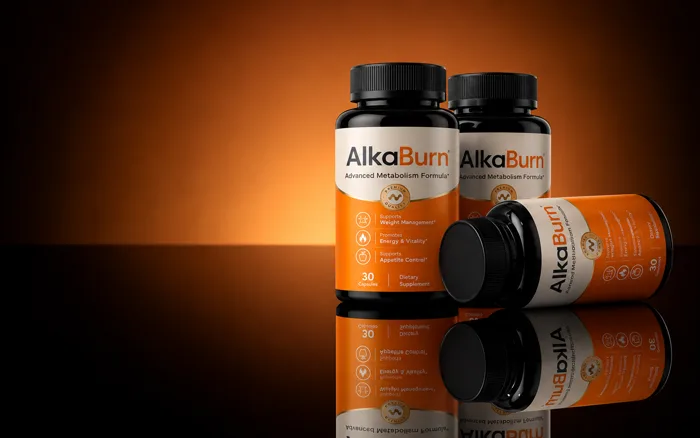
AlkaBurn offers daily capsule support for metabolism, appetite, and satiety to help women navigate the challenges of perimenopause weight management alongside healthy lifestyle habits.
- 6-Bottle Package — Lowest Price Per Bottlebest value/bottle
- 3-Bottle Package — Most Popularmost popular/bottle
- 2-Bottle Packagestarter/bottle
We may earn a commission at no extra cost to you.
Finding Your Balance and Moving Forward
Navigating perimenopause is a significant chapter, but it is also a powerful opportunity to tune into your body's changing needs and prioritize long-term wellness over short-term aesthetic fixes. By understanding the intricate connection between estrogen fluctuations, declining muscle mass, and metabolic shifts, you can select strategies that genuinely help you feel strong and energetic. Be patient and compassionate with yourself as your physical form finds its new equilibrium.
Remember that sustainable health is built over months and years, not days. Whether you adjust your protein intake, pick up a set of dumbbells, or explore daily capsule support like AlkaBurn, every positive choice is an investment in your future vitality. Listen to your body, lean on your healthcare team for guidance, and embrace this transition with confidence.