 Wellness Review Labs
 By
By 
The desire to manage weight can lead many to look for effective tools. Two popular categories that often come up are appetite suppressants and GLP-1 receptor agonists (often shortened to GLP-1s). While both aim to help you eat less, their mechanisms are quite distinct.
In short, appetite suppressants generally work by influencing brain chemistry to reduce feelings of hunger, making you feel less inclined to eat. GLP-1 medications, on the other hand, mimic a natural hormone in your body that regulates blood sugar, slows stomach emptying, and signals satiety to the brain. This leads to a feeling of fullness and reduced food intake.
How Do Appetite Suppressants Work?
Appetite suppressants are a broad category that includes both prescription medications and over-the-counter supplements. Their primary goal is to help you feel less hungry or feel full sooner, which can lead to consuming fewer calories.
- Brain-based action: Many prescription appetite suppressants work by affecting neurotransmitters in the brain, such as serotonin and norepinephrine. These chemicals play a role in mood and appetite regulation. By increasing their levels or mimicking their effects, these medications can reduce hunger signals.
- Fiber and bulking agents: Some over-the-counter supplements and natural approaches use ingredients like fiber (e.g., glucomannan) that absorb water in the stomach, creating a feeling of fullness. This isn't a direct suppression of hunger signals from the brain but rather a physical sensation of being full.
- Stimulants: Certain natural ingredients or over-the-counter products might contain stimulants (like caffeine) that can have a mild appetite-reducing effect, often as a side effect of increased energy and metabolism.
The effectiveness and safety of appetite suppressants vary widely depending on the specific product. Prescription options are typically more potent but also carry more potential side effects and require strict medical supervision.
Understanding GLP-1 Receptor Agonists
GLP-1 receptor agonists are a newer class of medications primarily developed for type 2 diabetes but have also shown significant promise for weight management. GLP-1 stands for Glucagon-Like Peptide-1, which is a natural hormone produced in your gut.
- Mimicking a natural hormone: GLP-1 medications work by mimicking the action of your body's natural GLP-1 hormone. This hormone is released after you eat.
- Slowing stomach emptying: One key effect is slowing down how quickly food leaves your stomach. This keeps you feeling full for longer and can prevent rapid spikes in blood sugar.
- Signaling fullness to the brain: GLP-1 also acts on receptors in the brain that regulate appetite and satiety, telling your brain you're full and satisfied, which reduces food cravings and overall food intake.
- Insulin release: For individuals with type 2 diabetes, GLP-1 also stimulates the pancreas to release insulin when blood sugar levels are high, helping to lower blood sugar.
Because of these combined effects, GLP-1 medications can lead to substantial weight loss in many individuals. They are available only by prescription and are administered via injection or oral tablet, depending on the specific drug.
Key Differences: Appetite Suppressants vs. GLP-1s
While both categories aim to help with weight by reducing food intake, their underlying mechanisms, typical usage, and potential outcomes differ significantly.
It's like comparing a dimmer switch to a full-system regulator. An appetite suppressant might turn down the 'hunger light,' while a GLP-1 reconfigures the entire 'eating experience' by affecting multiple biological pathways.— A nutrition educator
- Mechanism of Action: Appetite suppressants primarily target brain signals. GLP-1s act on multiple systems: stomach emptying, brain satiety signals, and blood sugar regulation.
- Prescription Status: Many effective appetite suppressants are prescription-only, but many over-the-counter options exist. GLP-1 medications are exclusively prescription-only and typically require close medical monitoring.
- Side Effects: Both can have side effects. Appetite suppressants might cause jitters, increased heart rate, or sleep issues. GLP-1s commonly cause gastrointestinal issues like nausea, vomiting, diarrhea, or constipation, especially when starting.
- Weight Loss Potential: GLP-1 medications, particularly the newer generations, have shown a tendency for more significant weight loss in clinical studies compared to many traditional appetite suppressants.
- Cost: GLP-1 medications can be very expensive and may not always be covered by insurance for weight loss alone. Appetite suppressants vary widely in cost.
What Actually Helps: Beyond Medications and Supplements
No matter which path you explore, it's crucial to remember that sustainable weight management is rarely a quick fix. Lifestyle changes form the bedrock of any successful long-term strategy.
- Balanced Nutrition: Focus on whole, unprocessed foods. Prioritize lean proteins, healthy fats, and plenty of fiber-rich fruits and vegetables. These help with satiety and provide essential nutrients.
- Regular Physical Activity: Aim for a combination of cardiovascular exercise and strength training. Exercise not only burns calories but also improves metabolism and mood.
- Mindful Eating: Pay attention to your hunger and fullness cues. Eat slowly, savor your food, and avoid distractions while eating. This can help you recognize when you're truly satisfied.
- Adequate Sleep: Poor sleep can disrupt hormones that regulate appetite (ghrelin and leptin), leading to increased hunger and cravings.
- Stress Management: Chronic stress can lead to increased cortisol levels, which can promote fat storage and cravings for unhealthy foods. Find healthy ways to manage stress, like meditation, yoga, or spending time in nature.
Considering Supplements for Metabolism and Weight Support
For those looking for additional support alongside their lifestyle efforts, certain supplements are designed to help support metabolism and satiety. These are not replacements for medications like GLP-1s or prescription appetite suppressants, nor do they promise dramatic weight loss. Instead, they aim to complement your healthy habits.
One such option is SlimSoda Powder. It's a daily drink powder formulated with ingredients designed to promote a healthy metabolism and support feelings of fullness. It aims to be a convenient way to add beneficial compounds to your routine that may help manage appetite and energy levels throughout the day.
SlimSoda Powder, for example, is not a pharmaceutical drug like a GLP-1 medication. It won't have the same powerful, systemic effects as a prescription drug. Instead, it offers a supportive role, helping you feel more in control of your eating habits by potentially aiding satiety and metabolic function through its blend of ingredients. It's designed to be a tool in your overall wellness kit, not a standalone solution.
The Verdict
SlimSoda Powder may offer a supportive option for individuals seeking to manage their weight through appetite support and metabolism. However, it is not a substitute for GLP-1 medications and should be considered as a complementary tool within a broader weight management strategy.
Who This Is For — And Who It Is Not
- Individuals looking for general appetite support.
- Those interested in potentially boosting their metabolism.
- People committed to dietary changes and regular exercise.
- Anyone seeking a 90-day money-back guarantee for a new supplement.
- Anyone expecting rapid or dramatic weight loss.
- Individuals with underlying medical conditions that require physician oversight.
- People who believe this product can replace prescription GLP-1 medications.
- Anyone whose symptoms suggest a need for medical diagnosis or treatment.
What We Could Not Verify
We say this plainly because most pages in this category do not. Here is what we could not independently confirm about SlimSoda Powder:
- The specific ingredients and their concentrations within the formula.
- The scientific research supporting the product's claims, as no studies were cited.
- The manufacturing processes or quality control standards used.
- The typical user experience beyond the money-back guarantee.
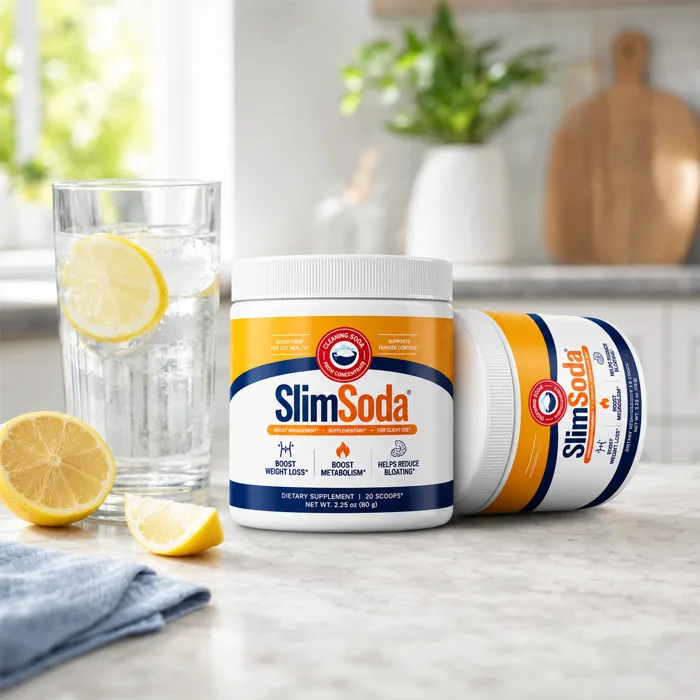
SlimSoda Powder is positioned as a supportive daily drink designed to promote metabolism and help manage appetite, offering a complementary approach to lifestyle changes rather than being a direct appetite suppressant or GLP-1.
- Buy 3, Get 3 Free — Lowest Price Ever$19.99/bottle
- Buy 2, Get 2 Free — Most Popular$27.49/bottle
- Buy 1, Get 1 Free$44.75/bottle
We may earn a commission at no extra cost to you.
Making an Informed Decision
Navigating the world of weight management can be complex. Whether you're considering prescription medications like GLP-1s, over-the-counter appetite suppressants, or dietary supplements, the most important first step is always to consult with your healthcare provider. They can assess your individual health status, discuss potential risks and benefits, and help you determine the safest and most effective strategy for your specific needs.
Remember, there's no one-size-fits-all answer. What works for one person might not work for another. A holistic approach that combines medical guidance, healthy eating, regular activity, and potentially supportive supplements or medications offers the best chance for sustainable success.