 Wellness Review Labs
 By
By 
You lace up your walking shoes, you watch the portions on your dinner plate, and yet that circle around your waist refuses to budge. It is frustrating, especially when the methods that worked effortlessly in your thirties no longer seem to make a dent. You are not imagining things, and you are certainly not failing at discipline.
At Wellness Review Labs, we look past the quick-fix fitness marketing to examine what is actually happening inside the body during midlife and beyond. Understanding the root causes of stubborn belly fat is the first step toward finding a realistic, sustainable path forward without resorting to extreme deprivation or exhausting routines that leave you drained.
The Hormone Shift: Estrogen, Testosterone, and Fat Distribution
As we move through our forties, fifties, and beyond, our bodies undergo significant hormonal transitions that quietly rewrite the rules of energy storage. For women approaching and moving through menopause, declining estrogen levels prompt a profound physiological shift in where fat is stored. Instead of settling around the hips and thighs—the typical pattern earlier in life—fat is increasingly directed toward the visceral cavity around the abdominal organs.
Men experience a more gradual, yet steady, decline in testosterone levels starting around age 30 and continuing through later decades. Lower testosterone contributes directly to a reduction in lean muscle mass and a simultaneous increase in overall body fat percentage, with a noticeable preference for the midsection. These shifts are entirely natural parts of human development, but they require a conscious evolution in how we approach our daily nutrition and physical activity.
The Muscle Mass Factor: Why Calorie Burn Slows Down
Muscle tissue is metabolically active, meaning it requires energy and burns calories even when you are sitting completely still, reading a book, or sleeping. Starting around middle age, adults naturally begin losing muscle mass—a process known clinically as sarcopenia—at a rate of about three to eight percent per decade if no intentional counter-measures are implemented.
- Less muscle mass means a lower resting metabolic rate (RMR) day in and day out.
- Your body requires fewer total daily calories than it did ten years ago to maintain its current weight.
- Without adjusting dietary intake or daily activity levels, this subtle calorie surplus accumulates as stored fat over time.
- Focusing solely on cutting calories without preserving muscle often backfires, leading to further muscle loss instead of fat reduction.

The Stress and Cortisol Connection
Life in your forties to seventies often comes with a unique cluster of pressures: caring for aging parents, managing career peaks or transitions, planning for retirement, or navigating changing family dynamics and empty nests. When you experience chronic, ongoing stress, your adrenal glands continuously release the hormone cortisol to help you cope.
Biological research shows that visceral fat cells have a significantly higher concentration of cortisol receptors than subcutaneous fat cells found elsewhere on the body. In simple terms, chronic psychological and physical stress acts as a powerful biological signal telling the body to store energy directly in the belly, preparing you for a perceived threat that never actually requires physical exertion.
Poor Sleep and Appetite Regulation
Sleep disruptions become increasingly common with age, whether due to physical discomfort, hormonal shifts, nighttime bathroom trips, or an overactive, problem-solving mind. Poor sleep does much more than leave you feeling groggy and tired the next day; it directly disrupts the delicate hormonal network that regulates hunger and satiety.
Inadequate rest increases ghrelin, widely known as the hunger hormone, while simultaneously suppressing leptin, the hormone that signals to your brain that you are full and satisfied. This frustrating hormonal imbalance fuels intense cravings for quick-energy carbohydrates and sugary snacks, making it immensely difficult to stick to healthy portions even when your willpower is strong.
What Actually Helps: Free and Behavioural Steps
You do not need an expensive gym membership, exotic superfoods, or a dangerously restrictive diet to address these underlying causes. Small, consistent behavioral adjustments practiced daily can make a profoundly meaningful difference in how your body manages weight and energy balance over the long term.
- Prioritize resistance training: Lifting light weights, using stretchy resistance bands, or doing bodyweight exercises two to three times a week helps preserve and rebuild metabolically active muscle mass.
- Increase dietary protein: Adequate protein intake supports muscle maintenance and enhances satiety after meals, keeping hunger at bay for longer periods.
- Protect your sleep window: Aim for seven to eight hours of quality sleep nightly by establishing a relaxing bedtime routine to keep hunger hormones balanced.
- Incorporate daily steps: Regular walking helps manage blood sugar levels, improves insulin sensitivity, and lowers circulating stress hormones naturally.
Where Daily Support Supplements Fit In
For readers who are already eating thoughtfully and moving regularly but feel their metabolism needs an extra nudge, daily weight-management supplements can be considered as part of a broader, well-rounded routine. These products are designed strictly to complement healthy daily habits, not to replace the foundational work of nutrition and physical activity.
One option available in this category is AlkaBurn, formulated as daily capsules for convenience. The manufacturer positions it to support metabolism and appetite, helping promote satiety and healthy weight management alongside a balanced diet and regular exercise. It does not promise overnight transformations, nor does it work without lifestyle changes. AlkaBurn is sold in flexible multi-bottle packages (current package pricing applies) and is backed by a solid 60-day money-back guarantee for peace of mind.
Supplements are like scaffolding on a building. They can support the structure while you do the foundational work, but they cannot stand on their own.— Independent Health Educator
Important note for readers: If you have high blood pressure, heart conditions, take regular prescription medication, or are sensitive to stimulants, always consult your primary healthcare physician before starting any new dietary supplement.
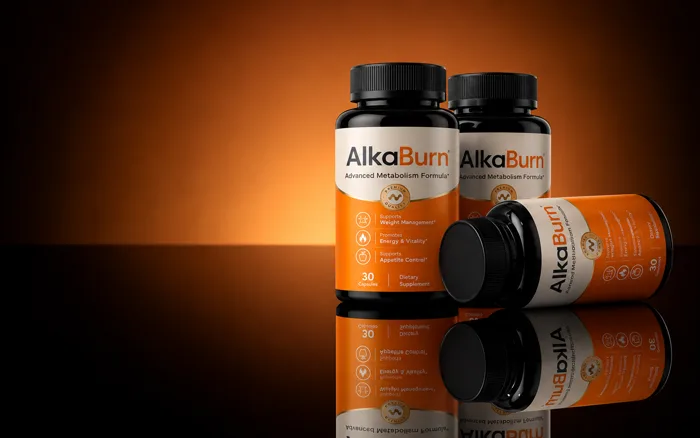
AlkaBurn provides daily capsule support for metabolism and satiety to help adults navigate age-related weight management challenges.
- 6-Bottle Package — Lowest Price Per Bottlebest value/bottle
- 3-Bottle Package — Most Popularmost popular/bottle
- 2-Bottle Packagestarter/bottle
We may earn a commission at no extra cost to you.