 Wellness Review Labs
 By
By 
A weight loss plateau occurs when your weight loss progress stalls for several weeks, despite consistently following your diet and exercise plan. It's a common experience for many people on a weight loss journey, and it can feel like hitting a wall.
The good news is that plateaus are usually temporary and understandable from a biological perspective. Your body is incredibly adaptive, and as you lose weight, its energy needs change.
Why Do Weight Loss Plateaus Happen?
Several factors contribute to reaching a weight loss plateau:
- Metabolic Adaptation: As you lose weight, your body requires fewer calories to maintain its new, smaller size. Your basal metabolic rate (BMR), the calories your body burns at rest, decreases. This means the calorie deficit that initially led to weight loss might no longer be sufficient.
- Decreased Non-Exercise Activity Thermogenesis (NEAT): Sometimes, without realizing it, people become less active in their daily lives outside of structured exercise as they lose weight, burning fewer calories overall.
- Muscle Loss: While you aim to lose fat, some muscle mass can also be lost during weight loss. Muscle burns more calories at rest than fat, so losing muscle can further reduce your BMR.
- Water Retention: Fluctuations in hormones, sodium intake, or even starting new exercise routines can cause your body to retain more water, masking actual fat loss on the scale.
- Diet Fatigue and 'Creep': Over time, it's easy for small deviations from your diet plan to sneak in. A little extra here, a slightly larger portion there, and suddenly your calorie intake isn't as low as you think.
- Stress and Sleep: Chronic stress can elevate cortisol levels, which can promote fat storage, especially around the midsection. Poor sleep can also disrupt hormones that regulate appetite and metabolism.
Understanding these mechanisms is the first step to figuring out how to push past the plateau.
Practical Strategies to Break Through Your Plateau
Instead of getting frustrated, view a plateau as an opportunity to fine-tune your approach. Here are some actionable steps you can take:
- Re-evaluate Your Calorie Intake: Your body needs fewer calories now than it did when you started. Calculate your current estimated BMR and adjust your calorie target downwards slightly (e.g., by 100-200 calories) to re-establish a deficit. Be honest about portion sizes and track everything for a few days to catch any 'diet creep'.
- Increase Protein Intake: Protein is more satiating than carbohydrates or fats, helping you feel fuller for longer. It also has a higher thermic effect, meaning your body burns more calories digesting it. Aim for lean protein sources at each meal.
- Lift Weights (or Increase Resistance Training): Building or maintaining muscle mass is crucial. Muscle tissue is metabolically active, helping to keep your metabolism revving. If you're not already, consider adding strength training to your routine 2-3 times a week. If you are, try increasing the weight or intensity.
- Vary Your Exercise Routine: Your body adapts to exercise, too. If you always do the same workout, try something new. Incorporate high-intensity interval training (HIIT), try a new sport, or simply change up the order or type of exercises you do. This can challenge your body in new ways.
- Boost Your NEAT: Look for simple ways to move more throughout your day outside of dedicated workouts. Take the stairs, park further away, walk during phone calls, or do some light chores. These small bursts of activity add up.
- Prioritize Sleep: Aim for 7-9 hours of quality sleep per night. Poor sleep can disrupt ghrelin (hunger hormone) and leptin (satiety hormone), making it harder to manage appetite and cravings. It also impacts your body's ability to recover from exercise.
- Manage Stress: Chronic stress can hinder weight loss. Practice stress-reducing techniques like meditation, deep breathing, spending time in nature, or engaging in hobbies you enjoy. Find what works for you to de-stress regularly.
- Hydrate Adequately: Sometimes, thirst is mistaken for hunger. Drinking enough water can help you feel full, support metabolism, and ensure your body functions optimally. Aim for plain water, not sugary drinks.

What About Drastic Measures?
While it might be tempting to drastically cut calories or over-exercise, these approaches are often unsustainable and can be counterproductive. Extreme calorie restriction can slow your metabolism further and lead to nutrient deficiencies. Overtraining can increase cortisol and lead to burnout or injury.
The goal is to make small, consistent, and sustainable changes that nudge your body back into a fat-burning state without causing undue stress or deprivation.
Even small, consistent changes can have a big impact over time. Don't underestimate the power of fine-tuning your habits.— An experienced health coach
Considering Nutritional Support for Metabolism
Once you've addressed your dietary and lifestyle habits, some individuals look for additional support. Certain ingredients are studied for their role in supporting metabolism and energy, which can be helpful when your body's natural metabolic rate has slowed.
For example, ingredients like green tea extract (rich in EGCG) and L-carnitine are often discussed in the context of fat metabolism. Green tea extract may help support calorie burning and fat oxidation, while L-carnitine plays a role in transporting fatty acids into cells to be burned for energy. Other ingredients, such as certain B vitamins, are essential cofactors in metabolic processes, meaning they help enzymes do their job in converting food into energy.
It's important to understand that these ingredients are not magic bullets. They are designed to *support* existing metabolic functions and can be considered as part of a comprehensive strategy that includes appropriate diet and exercise. They won't 'burn fat for you' but may help optimize your body's natural processes.
One product that incorporates some of these concepts is SlimSoda Powder. It's a daily drink powder designed to help support metabolism and overall weight management. Ingredients often found in products like SlimSoda Powder might include compounds like green tea extract, B vitamins, and natural flavors. The idea is to provide a convenient way to integrate these metabolic support ingredients into your daily routine.
A product like SlimSoda Powder is intended to be a *complement* to a healthy lifestyle, not a replacement for mindful eating and regular physical activity. It may help support your body's natural metabolic processes, which can be beneficial when you're trying to break through a plateau. It's not a weight loss cure, and results will vary based on individual lifestyle and consistency.
The Verdict
SlimSoda Powder might be worth considering for individuals seeking to support their metabolism as part of a broader weight management strategy. Its 90-day money-back guarantee offers a low-risk way to assess its potential benefits for those experiencing a weight loss plateau.
Who This Is For — And Who It Is Not
- Individuals actively managing their diet and exercise.
- Those looking for a supplemental way to support metabolic function.
- People seeking to break through a perceived weight loss plateau.
- Anyone interested in a product with a money-back guarantee.
- Anyone expecting rapid or dramatic weight loss results.
- Individuals with underlying medical conditions without consulting a doctor.
- Those who believe this product can replace a balanced diet and regular exercise.
- Anyone currently on prescription medication for weight management or metabolic issues.
What We Could Not Verify
We say this plainly because most pages in this category do not. Here is what we could not independently confirm about SlimSoda Powder:
- The specific ingredients or proprietary blend used in SlimSoda Powder.
- Independent clinical trials supporting the product's effectiveness for weight loss plateaus.
- The exact mechanism by which it supports metabolism.
- The typical timeline for experiencing any potential benefits.
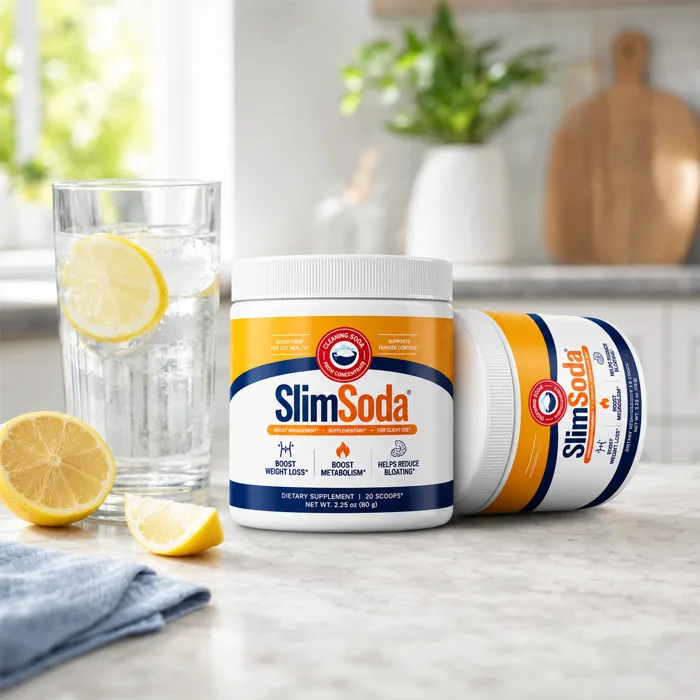
SlimSoda Powder is relevant to this topic as it provides ingredients designed to help support metabolism, which can be beneficial when trying to overcome a weight loss plateau.
- Buy 3, Get 3 Free — Lowest Price Ever$19.99/bottle
- Buy 2, Get 2 Free — Most Popular$27.49/bottle
- Buy 1, Get 1 Free$44.75/bottle
We may earn a commission at no extra cost to you.
Tracking Progress Beyond the Scale
When the scale isn't moving, it's crucial to look at other indicators of progress:
- Measurements: Take body measurements (waist, hips, thighs, arms) every few weeks. You might be losing inches even if the scale is stuck, indicating body recomposition (losing fat, gaining muscle).
- How Your Clothes Fit: Do your clothes feel looser? This is a great sign of progress.
- Strength and Endurance: Are you getting stronger, lifting heavier, or exercising for longer periods? These are significant improvements.
- Energy Levels: Do you have more energy throughout the day?
- Mood and Sleep: Are you feeling better emotionally and sleeping more soundly?
Focusing on these non-scale victories can keep you motivated and remind you that your efforts are paying off, even during a plateau.
The Takeaway: Patience and Persistence
Weight loss plateaus are a normal, albeit frustrating, part of the journey. They signal that your body has adapted, and it's time to adapt your strategy. By making small, informed adjustments to your diet, exercise, and lifestyle, and by considering targeted nutritional support, you can successfully break through and continue your progress. Remember, consistency and patience are your best allies.