 Wellness Review Labs
 By
By 
The short answer is yes, stubborn belly fat is a real phenomenon. While it's not a medical diagnosis, the term accurately describes the experience many people have when trying to lose weight, particularly around their midsection. This isn't just about willpower; there are biological reasons why fat in the abdominal area can be more resistant to loss compared to fat in other parts of the body.
Why Belly Fat Can Be So Resistant
To understand why belly fat can be so persistent, it helps to know a little about how fat cells work. Our bodies have different types of fat, and not all fat is created equal. The fat around your midsection, particularly visceral fat (the kind that surrounds your organs), behaves differently than subcutaneous fat (the fat just under your skin).
- Receptor Differences: Fat cells have different types of receptors that influence how easily they release fat for energy. Alpha-2 receptors make it harder to release fat, while beta-2 receptors make it easier. Belly fat tends to have a higher concentration of alpha-2 receptors, making it more resistant to mobilization.
- Blood Flow: Areas with more stubborn fat often have poorer blood flow. This means that when your body signals fat cells to release energy, those signals and the fat-mobilizing hormones have a harder time reaching the stubborn areas efficiently.
- Hormonal Influence: Hormones play a significant role. Cortisol, the stress hormone, is known to encourage fat storage around the abdomen. Insulin resistance can also promote belly fat accumulation. For women, especially after menopause, declining estrogen levels can shift fat storage from hips and thighs to the abdomen.
Beyond Biology: Lifestyle Factors at Play
While biology sets the stage, our daily habits and environment heavily influence how much belly fat we accumulate and how 'stubborn' it becomes. Addressing these factors is often where real progress can be made.
- Chronic Stress: As mentioned, ongoing stress leads to higher cortisol levels, which directly contributes to increased abdominal fat. Managing stress through techniques like meditation, yoga, or even simple hobbies can be crucial.
- Poor Sleep: Not getting enough quality sleep disrupts hormones that regulate appetite (ghrelin and leptin) and can increase cortisol, leading to weight gain, particularly around the midsection.
- Diet Choices: A diet high in refined carbohydrates, sugary drinks, and unhealthy fats can promote visceral fat accumulation. Conversely, a diet rich in fiber, lean protein, and healthy fats helps manage weight and reduce belly fat.
- Lack of Physical Activity: Regular exercise, especially a combination of cardiovascular activity and strength training, is essential for overall fat loss and can specifically target abdominal fat over time. Spot reduction (doing endless crunches to lose belly fat) doesn't work, but overall fat loss will eventually reduce fat from all areas, including the belly.

What Actually Helps Reduce Belly Fat?
Since you can't truly 'spot reduce' fat, the most effective approach to reducing stubborn belly fat is through comprehensive lifestyle changes that lead to overall fat loss. When your body loses fat, it will take it from all over, and eventually, your midsection will see the benefits.
- Balanced Nutrition: Focus on whole, unprocessed foods. Prioritize lean proteins (chicken, fish, beans), plenty of vegetables and fruits, and healthy fats (avocado, nuts, olive oil). Reduce intake of added sugars, refined grains, and trans fats. Increasing soluble fiber can be particularly helpful for reducing belly fat.
- Regular Exercise: Aim for at least 150 minutes of moderate-intensity aerobic activity or 75 minutes of vigorous-intensity activity per week, plus strength training at least twice a week. This combination helps build muscle (which boosts metabolism) and burns calories.
- Stress Management: Incorporate stress-reducing activities into your daily routine. This could be mindfulness, spending time in nature, deep breathing exercises, or pursuing hobbies you enjoy.
- Quality Sleep: Strive for 7-9 hours of quality sleep per night. Create a consistent sleep schedule and a relaxing bedtime routine.
- Hydration: Drinking plenty of water supports overall metabolism and can help with feelings of fullness, potentially reducing overall calorie intake.
Considering Support for Metabolism
While foundational lifestyle changes are paramount, some individuals explore dietary supplements designed to support metabolism or aid in weight management. These are not magic bullets, but rather tools that might complement a healthy routine.
One such option is SlimSoda Powder. This daily drink powder is positioned to support metabolism and overall weight management. It's designed to be easily incorporated into your daily routine, aiming to provide ingredients that may help your body's natural metabolic processes. While it won't directly target stubborn belly fat, a product like SlimSoda Powder could be considered as part of a broader strategy focused on improving metabolic function, which in turn supports overall fat loss.
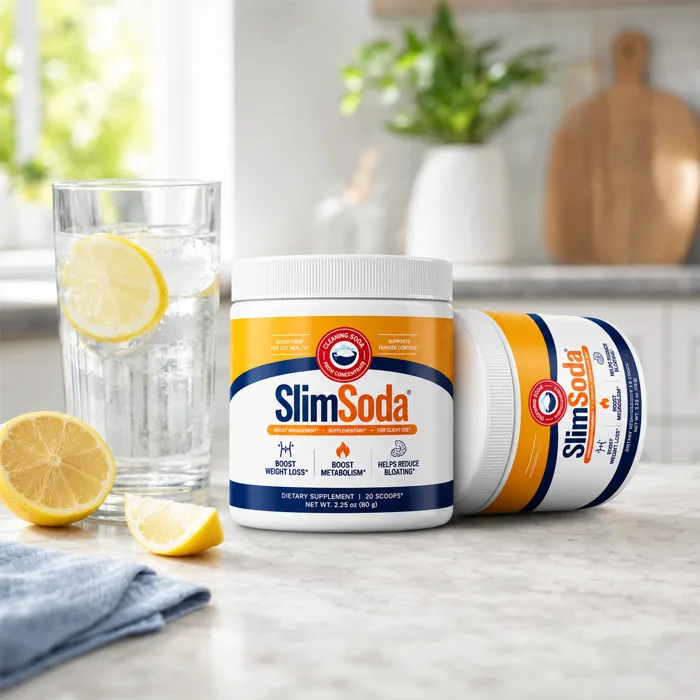
SlimSoda Powder is relevant as a daily drink positioned to support metabolism and overall weight management, which is a key aspect of addressing stubborn belly fat.
- Buy 3, Get 3 Free — Lowest Price Ever$19.99/bottle
- Buy 2, Get 2 Free — Most Popular$27.49/bottle
- Buy 1, Get 1 Free$44.75/bottle
We may earn a commission at no extra cost to you.
Understanding Expectations
It's important to set realistic expectations. Losing stubborn belly fat often takes time and consistency. There will likely be periods where progress seems slow, but sticking with healthy habits is key. Celebrate small victories and focus on overall health improvements rather than just the number on the scale or the size of your waistline.
'Focusing on overall health — including nutrition, exercise, sleep, and stress — will naturally lead to fat loss, even in those areas that feel most resistant.'— Wellness Review Labs Health Editor
When to Talk to Your Doctor
If you're making consistent efforts with diet and exercise but aren't seeing any changes, or if you have significant concerns about your weight or abdominal fat, it's always a good idea to consult with your doctor. They can help rule out underlying medical conditions, such as hormonal imbalances (like thyroid issues or PCOS), or medications that might be affecting your weight. They can also provide personalized advice and guidance tailored to your specific health needs.