 Wellness Review Labs
 By
By 
When considering the "safest" natural sleep aid, it's important to understand that no supplement is completely without potential side effects or interactions. However, certain natural compounds and lifestyle practices are generally considered to have a lower risk profile compared to prescription sleep medications. For many, the safest and most effective approach starts with addressing daily habits before turning to supplements.
Why Is Sleep So Hard to Come By As We Age?
It's a common complaint: sleep just isn't what it used to be. As we get older, our sleep patterns naturally shift. We tend to spend less time in deep, restorative sleep and might wake up more easily. This isn't just a matter of habit; it's often due to changes in our internal body clock, called the circadian rhythm, and reduced production of sleep-regulating hormones like melatonin.
- Circadian Rhythm Shifts: Our natural sleep-wake cycle can become less regular, leading to earlier bedtimes and wake times, or more fragmented sleep.
- Melatonin Production Decreases: The body produces less of this key sleep hormone as we age, which can make it harder to fall asleep.
- Underlying Health Conditions: Pain from arthritis, frequent urination, sleep apnea, or restless leg syndrome can all disrupt sleep.
- Medication Side Effects: Many common medications taken by older adults can interfere with sleep.
- Lifestyle Factors: Less physical activity, increased stress, or changes in daily routine can also play a significant role.
The Foundation: Sleep Hygiene and Lifestyle Changes
Before reaching for any supplement, the most impactful and safest steps you can take involve optimizing your sleep environment and daily habits. These are free, carry no side effects, and can make a significant difference.
- Maintain a Consistent Schedule: Go to bed and wake up at roughly the same time every day, even on weekends. This helps regulate your body's internal clock.
- Create a Relaxing Bedtime Routine: An hour before bed, dim the lights, turn off screens, and engage in calming activities like reading, light stretching, or a warm bath.
- Optimize Your Bedroom: Keep your sleep space dark, quiet, and cool. Consider blackout curtains, earplugs, or a white noise machine.
- Limit Stimulants and Alcohol: Avoid caffeine and nicotine in the late afternoon and evening. Alcohol might make you feel drowsy initially, but it disrupts sleep later in the night.
- Get Regular Exercise: Physical activity during the day (but not too close to bedtime) can promote deeper sleep. Even a brisk walk can help.
- Watch Your Diet: Avoid heavy meals close to bedtime. If you're hungry, a light, sleep-friendly snack like a banana or a small bowl of oatmeal can be better.
Natural Sleep Aids: What Actually Helps?
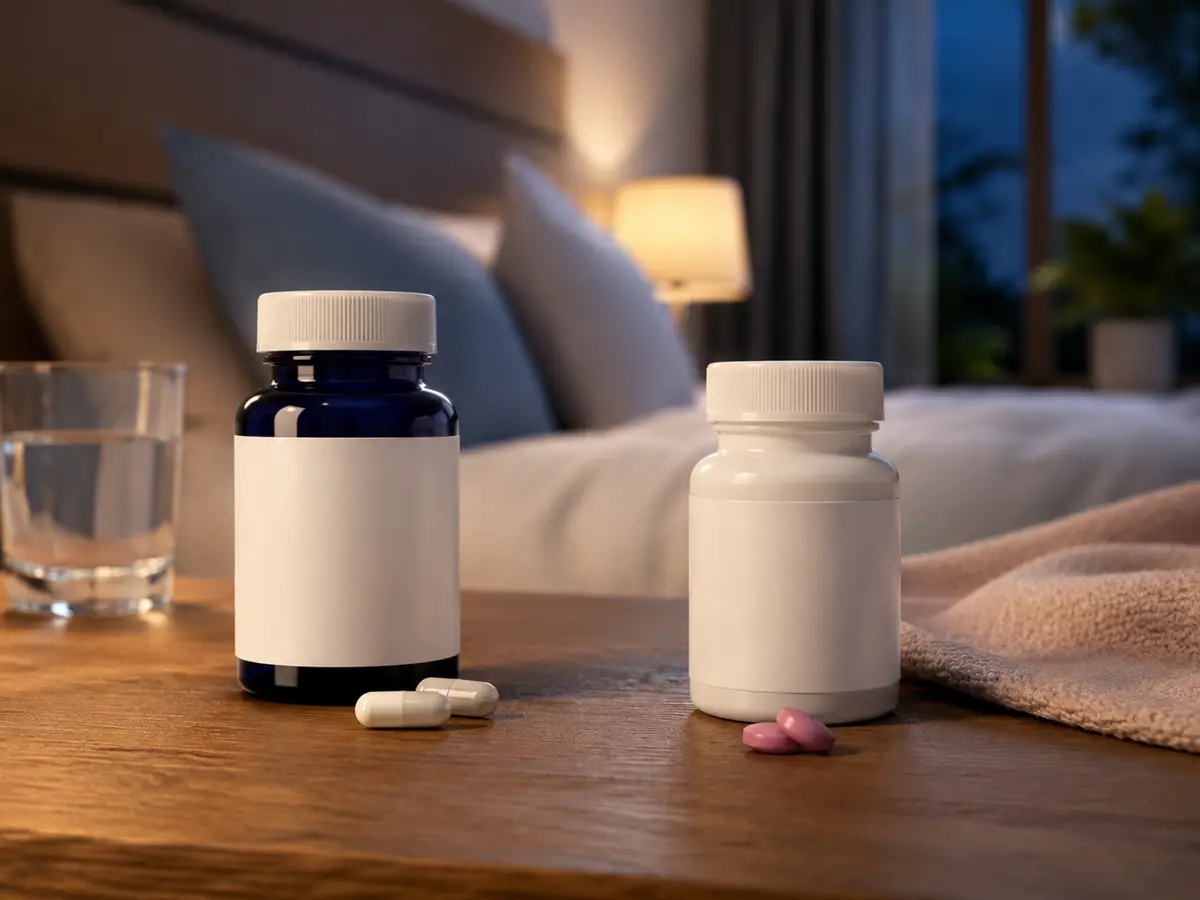
Once you've addressed lifestyle factors, some natural compounds have shown promise in supporting better sleep. Remember, these are not sedatives and typically work by helping your body's natural sleep processes rather than forcing sleep.
- Magnesium: This essential mineral plays a role in nerve function and muscle relaxation. It may help calm the nervous system and promote feelings of tranquility, which can aid in falling asleep. Some forms, like magnesium glycinate, are often recommended for sleep support as they are generally well-tolerated.
- L-theanine: An amino acid found primarily in green and black tea, L-theanine is known for its ability to promote relaxation without causing drowsiness. It may help reduce anxiety and improve sleep quality by increasing alpha brain waves, which are associated with a relaxed, alert state.
- Tart Cherry: This fruit contains natural melatonin and compounds that may help reduce inflammation and promote sleep. Some studies suggest that tart cherry juice or extract may help improve sleep duration and quality, particularly for those who have trouble falling asleep.
- Valerian Root: Used for centuries as a natural sleep aid, valerian root may help reduce the time it takes to fall asleep and improve sleep quality. Its exact mechanism isn't fully understood, but it's thought to affect neurotransmitters involved in relaxation. The evidence is somewhat mixed, and some people find its earthy smell off-putting.
- Melatonin: While naturally produced by the body, supplemental melatonin can be helpful for some, particularly for issues like jet lag or shift work. However, less is often more, and high doses can sometimes lead to next-day grogginess or disrupt the body's natural production if used long-term without guidance. It's generally recommended for short-term use.
Sonnus: A Natural Approach to Sleep Support
For those seeking a convenient way to incorporate several sleep-supporting nutrients, products like Sonnus offer a blend of natural ingredients. Sonnus is formulated as a non-habit-forming, drug-free supplement designed to support healthy sleep patterns. It typically includes ingredients like magnesium, L-theanine, and other botanicals known for their calming properties.
Sonnus aims to help your body relax and prepare for sleep naturally, rather than acting as a sedative. It's not a quick fix for severe insomnia, but rather a daily support for those looking to improve their sleep quality and duration over time. As with any supplement, individual results can vary, and it's intended to be used in conjunction with good sleep hygiene practices.

Sonnus is relevant as a non-habit-forming, drug-free natural sleep support formula that combines several ingredients often cited for their potential to help with sleep, offering an option for those seeking a blended natural supplement.
- Buy 3, Get 3 Free — Lowest Price Ever$19.99/bottle
- Buy 2, Get 2 Free — Most Popular$27.49/bottle
- Buy 1, Get 1 Free$44.75/bottle
We may earn a commission at no extra cost to you.
Understanding 'Safest': No Guarantees, Just Lower Risk
When we talk about the "safest" natural sleep aid, we're referring to options that, based on current understanding, have a generally lower risk of significant side effects or dependency compared to pharmaceutical sleep medications. However, this does not mean zero risk. Everyone's body reacts differently, and what works well for one person might not for another.
I was hesitant to try anything, but making small changes to my evening routine and adding a natural supplement has made a noticeable difference. I'm not instantly asleep, but I feel calmer before bed.— An experienced supplement user
The key is to start with the most fundamental changes – your environment and habits – and then, if needed, consider natural supplements as a support, always with an eye towards potential interactions and always in consultation with your healthcare provider.