 Wellness Review Labs
 By
By 
When you're struggling to fall asleep or stay asleep, the promise of relief can be very appealing. On Google, you might see terms like 'sleep aid' and 'melatonin' used interchangeably, but they refer to different approaches to improving sleep. Understanding what each one is and how it works is the first step toward finding a solution that's right for you.
In simple terms, melatonin is a natural hormone your body produces, while 'sleep aid' is a broad category that can include melatonin, antihistamines, herbal blends, and other ingredients designed to promote sleep. The key difference lies in their mechanism of action and what they're intended to address.
What is Melatonin and How Does It Work?
Melatonin is a hormone made by your pineal gland, a small gland in the brain. Its primary job is to regulate your body’s sleep-wake cycle, also known as your circadian rhythm. As darkness falls, your body naturally increases melatonin production, signaling to your brain that it’s time to prepare for sleep. During daylight hours, melatonin production decreases, helping you stay awake.
When taken as a supplement, melatonin acts as an external signal to your body that it's time to sleep. It doesn't typically force you into unconsciousness like some stronger medications. Instead, it helps adjust your internal clock. This makes it particularly useful for issues like jet lag, shift work sleep disorder, or for individuals whose natural melatonin production might be disrupted, such as older adults.
- Mechanism: Signals the body it's time to sleep by mimicking natural hormone.
- Primary Use: Circadian rhythm disorders (jet lag, shift work), difficulty falling asleep due to timing issues.
- Onset: Generally takes 30-60 minutes to feel effects.
- Potential Side Effects: Drowsiness, dizziness, headache, nausea, vivid dreams. Generally mild and uncommon with appropriate dosing.
- Non-habit-forming: Considered non-addictive.
What are Over-the-Counter Sleep Aids?
The term 'sleep aid' is a broad umbrella for products designed to help you sleep. When you see 'sleep aid' on a store shelf, it often refers to over-the-counter (OTC) medications or dietary supplements that are not just melatonin. These products can vary widely in their ingredients and how they work.
Many common OTC sleep aids rely on antihistamines, specifically diphenhydramine (found in products like Benadryl, ZzzQuil) or doxylamine succinate (found in products like Unisom). These antihistamines cause drowsiness as a side effect. They block histamine receptors in the brain, which can help induce sleep, but they also come with a different set of potential side effects than melatonin.
Other 'sleep aids' are often herbal or natural blends. These can include ingredients like valerian root, chamomile, lavender, L-theanine, magnesium, or GABA. The effectiveness of these ingredients can vary, and research supporting their sleep-promoting benefits ranges from promising to limited. Some may help promote relaxation, which can indirectly support sleep.
- Mechanism (Antihistamines): Block histamine receptors, causing drowsiness as a side effect.
- Mechanism (Herbal Blends): Vary widely; may promote relaxation or have mild sedative effects.
- Primary Use: Temporary relief of occasional sleeplessness.
- Onset: Antihistamines typically work within 30-60 minutes.
- Potential Side Effects: Drowsiness, dizziness, dry mouth, blurred vision, constipation. Can cause next-day grogginess, especially in older adults. Can be more pronounced than melatonin's side effects.
- Habit-forming: Antihistamine sleep aids are generally not considered physically addictive, but regular use can lead to tolerance, meaning you need more to get the same effect.
Melatonin vs. Other Sleep Aids: Key Differences
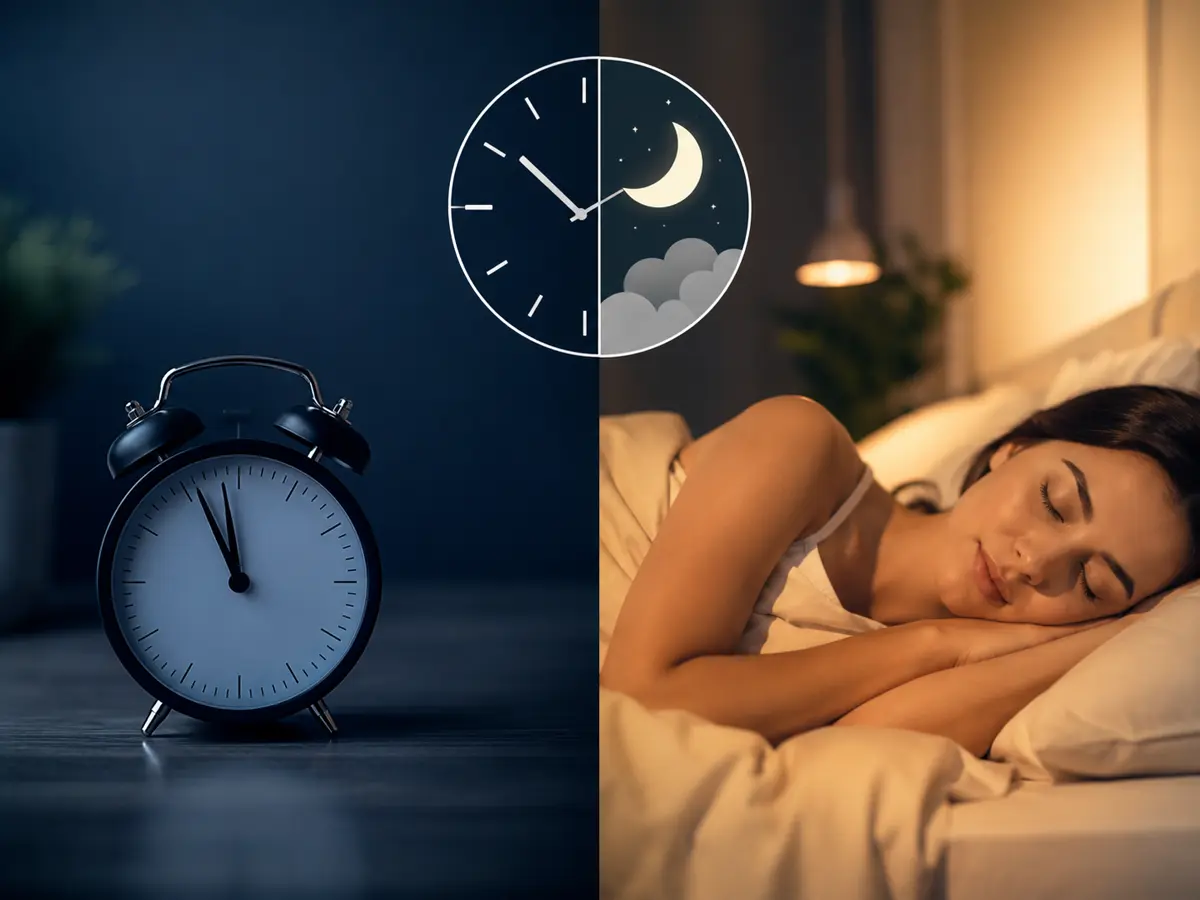
The most significant distinction is that melatonin works with your body's natural sleep signals, while many OTC sleep aids work by inducing drowsiness through other means, often as a side effect. Here's a quick comparison:
- Natural vs. Induced: Melatonin supports a natural sleep process; antihistamine-based sleep aids induce drowsiness.
- Target Audience: Melatonin is often better for circadian rhythm disruptions or those with low natural melatonin. Antihistamines are for general, occasional sleeplessness.
- Side Effect Profile: Melatonin generally has milder side effects. Antihistamines can cause more pronounced next-day grogginess, dry mouth, and can be problematic for older adults due to increased risk of confusion or falls.
- Long-Term Use: Melatonin is generally considered safe for short-term use and some studies support longer-term use, though more research is always beneficial. Regular use of antihistamine sleep aids is not recommended due to tolerance development and potential side effects.
Beyond Supplements: Foundational Sleep Habits
Before reaching for any supplement or aid, it’s crucial to address your sleep environment and daily habits. These foundational steps often make a significant difference and can even reduce the need for external help.
- Consistent Schedule: Go to bed and wake up at roughly the same time every day, even on weekends. This helps regulate your body’s natural clock.
- Optimize Your Bedroom: Keep your bedroom dark, quiet, and cool. Blackout curtains, earplugs, or a white noise machine can be helpful.
- Limit Electronics Before Bed: The blue light emitted from screens (phones, tablets, computers, TVs) can interfere with melatonin production. Aim to disconnect an hour or two before sleep.
- Watch Your Diet: Avoid heavy meals, caffeine, and alcohol close to bedtime. While alcohol might make you feel sleepy initially, it often disrupts sleep later in the night.
- Regular Exercise: Physical activity during the day can promote better sleep, but avoid intense workouts too close to bedtime.
- Stress Management: Practice relaxation techniques like meditation, deep breathing, or gentle stretching to calm your mind before sleep.
Considering a Natural Sleep Support Formula
If you’ve optimized your sleep hygiene and still find yourself struggling, you might consider a natural sleep support formula. These products often combine several ingredients known for their calming or sleep-promoting properties, aiming to support your body's natural sleep cycle rather than forcing sleep.
For example, Sonnus is a natural sleep support formula designed to help you relax and prepare for sleep without relying on strong sedatives or habit-forming ingredients. It's drug-free and aims to work with your body, not against it. While it contains some ingredients that may influence sleep, it’s important to remember that such products support healthy sleep, they do not cure insomnia or guarantee instant sleep.
Sonnus focuses on a blend of ingredients known for their potential to promote relaxation and a sense of calm, which can be crucial for falling asleep. It's not a melatonin-only product, nor is it an antihistamine-based sleep aid. Its approach is to offer a gentle nudge towards natural sleep, and it comes with a 90-day money-back guarantee, allowing you to try it without significant risk.
The Verdict
Sonnus appears to be a reasonable option for individuals seeking general sleep support, particularly those who have found melatonin alone insufficient or wish to explore a broader approach. Its 90-day money-back guarantee offers a low-risk way to assess its potential benefits for your sleep routine.
Who This Is For — And Who It Is Not
- Individuals looking for general sleep support beyond single-ingredient melatonin.
- Those who prefer a supplement with a money-back guarantee to try it out.
- People experiencing occasional difficulty falling asleep or staying asleep.
- Anyone interested in a multi-ingredient approach to sleep wellness.
- Anyone with chronic or severe sleep disorders; consult a doctor instead.
- Individuals expecting immediate or dramatic changes to their sleep patterns.
- Those who are currently taking prescription sleep medications without consulting a healthcare professional.
- People seeking a product with a fully transparent ingredient list.
What We Could Not Verify
We say this plainly because most pages in this category do not. Here is what we could not independently confirm about Sonnus:
- The specific ingredients and their exact dosages in the formula.
- Independent third-party testing results for purity and potency.
- The scientific basis for combining the unspecified ingredients in this particular formulation.
- The manufacturer's claims regarding the synergy of the undisclosed components.

Sonnus is presented as a natural, non-habit-forming sleep support formula that offers an alternative to both melatonin-only supplements and antihistamine-based sleep aids by using a blend of natural ingredients to support relaxation and sleep.
- Buy 3, Get 3 Free — Lowest Price Ever$19.99/bottle
- Buy 2, Get 2 Free — Most Popular$27.49/bottle
- Buy 1, Get 1 Free$44.75/bottle
We may earn a commission at no extra cost to you.
When to Talk to Your Doctor
While OTC options and natural supplements can be helpful for occasional sleeplessness, it's important to know when to seek professional medical advice. If you experience any of the following, it’s time to consult your doctor:
- You consistently struggle to fall or stay asleep for more than a few weeks.
- Your sleep problems interfere with your daily functioning, mood, or health.
- You suspect an underlying medical condition (like sleep apnea, restless legs syndrome, or anxiety) is contributing to your sleep issues.
- You are taking other medications that might interact with sleep aids or supplements.
- You're considering long-term use of any sleep support product.
"Good sleep is a cornerstone of overall health. If you're consistently not getting enough restorative sleep, it's a sign your body needs attention, and a doctor can help identify the root cause."— A Wellness Review Labs Health Editor
Your doctor can help diagnose any underlying conditions, discuss potential medication interactions, and guide you toward the most appropriate and safest solutions for your unique situation. Self-treating chronic sleep problems might delay addressing a more serious issue.