 Wellness Review Labs
 By
By 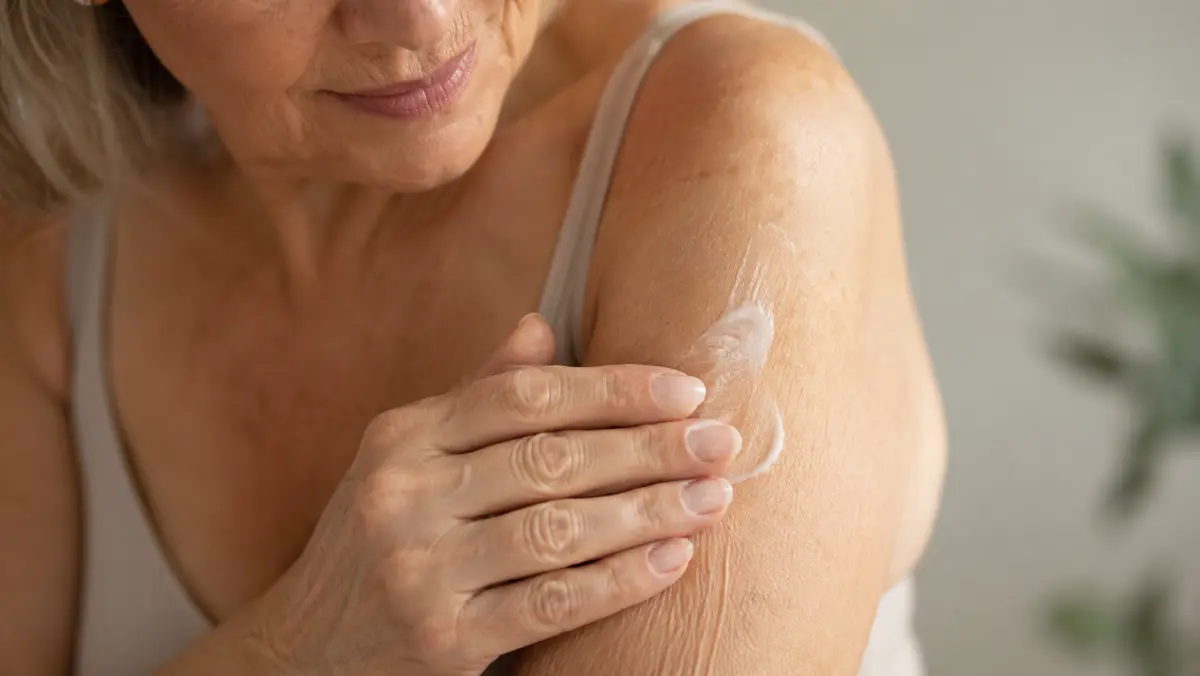
When your skin starts to resemble delicate crepe paper, it’s often a sign that its underlying structure has begun to weaken. This isn't just about wrinkles; it's about a loss of elasticity and firmness that makes the skin look thin and finely wrinkled, even when it's not stretched.
The dryness often accompanying crepey skin exacerbates the issue, making those fine lines and crinkles appear even more pronounced. Understanding why this happens is the first step toward finding effective solutions.
What Causes Crepey Skin and How Does Dryness Factor In?
At its core, crepey skin results from a breakdown of the two crucial proteins that keep our skin smooth and firm: collagen and elastin. Collagen provides structure and plumpness, while elastin gives skin its ability to snap back into place.
Several factors contribute to this breakdown:
- Sun Exposure: This is arguably the biggest culprit. Ultraviolet (UV) radiation from the sun damages collagen and elastin fibers, leading to their premature degradation. Years of unprotected sun exposure accumulate this damage.
- Aging: As we get older, our bodies naturally produce less collagen and elastin. Skin also thins, and its ability to retain moisture diminishes, contributing to both crepey texture and dryness.
- Dehydration: When your skin lacks sufficient moisture, it can appear dull, tight, and more prone to showing fine lines and crepey texture. Dryness doesn't cause crepey skin directly, but it certainly makes it look worse.
- Genetics: Your genes can play a role in how your skin ages and how quickly it shows signs of damage.
- Significant Weight Fluctuations: Rapid weight loss or gain can stretch the skin, and if the skin's elasticity is already compromised, it may not contract smoothly afterward.
- Smoking: Nicotine and other chemicals in cigarettes constrict blood vessels, reducing blood flow and oxygen to skin cells, which impairs collagen production and accelerates aging.
Everyday Habits That Can Help Improve Skin Texture
Before reaching for specific products, consider these foundational steps that can make a significant difference in managing dry, crepey skin:
- Stay Hydrated Internally: Drinking enough water throughout the day is vital for overall health, and it helps your skin maintain its plumpness from the inside out.
- Protect From the Sun: This cannot be stressed enough. Use a broad-spectrum sunscreen with an SPF of 30 or higher every single day, even on cloudy days. Wear protective clothing like long sleeves and wide-brimmed hats when outdoors. Seek shade during peak sun hours. This is your best defense against further collagen and elastin damage.
- Moisturize Regularly: Apply a rich, emollient moisturizer immediately after showering or bathing to lock in moisture. Look for ingredients like hyaluronic acid, glycerin, ceramides, and shea butter.
- Eat a Balanced Diet: A diet rich in antioxidants (found in fruits and vegetables) and healthy fats (from nuts, seeds, and oily fish) can support skin health. Vitamin C is particularly important for collagen synthesis.
- Avoid Harsh Cleansers: Soaps and cleansers that strip your skin of its natural oils can worsen dryness. Opt for gentle, hydrating cleansers, especially on affected areas.
Key Ingredients to Look For in Skincare Products
When it comes to topical treatments, certain ingredients have a track record of helping to improve skin texture and hydration:
- Retinoids (Retinol, Retinaldehyde, Tretinoin): These Vitamin A derivatives are often considered the gold standard for anti-aging. They can help stimulate collagen production and speed up cell turnover, which may lead to smoother, firmer skin over time. Start with a lower concentration and gradually increase to avoid irritation.
- Alpha Hydroxy Acids (AHAs - e.g., Glycolic Acid, Lactic Acid): AHAs are chemical exfoliants that help remove dead skin cells from the surface, revealing smoother, brighter skin beneath. This can make crepey skin appear less prominent. They also have some humectant (moisture-attracting) properties.
- Hyaluronic Acid: A powerful humectant that can hold up to 1,000 times its weight in water, drawing moisture into the skin. This helps plump up the skin's surface and reduce the appearance of fine lines and crepeiness caused by dehydration.
- Peptides: These are short chains of amino acids that act as building blocks for proteins like collagen and elastin. Topical peptides are thought to signal the skin to produce more of these vital proteins, though the evidence is still developing for their full impact.
- Vitamin C: A potent antioxidant that helps protect skin from environmental damage and is essential for collagen synthesis. It can also help brighten skin tone.
- Ceramides: These are lipids (fats) that are naturally found in your skin barrier. Replenishing ceramides helps strengthen the skin's protective barrier, reducing moisture loss and improving overall hydration.
Considering Supplements for Skin Support
While topical treatments and lifestyle changes are primary, some individuals also look to dietary supplements to support skin health from within. It's important to remember that supplements are designed to complement, not replace, a healthy diet and good skincare practices.
Ingredients often found in skin-supporting supplements include:
- Collagen Peptides: Oral collagen supplements are thought by some to support the body's natural collagen production. While research is ongoing, some studies suggest they may help improve skin elasticity and hydration.
- Hyaluronic Acid: Available in oral supplement form, some believe it can contribute to overall skin hydration.
- Biotin: A B-vitamin often associated with hair and nail health, it also plays a role in skin health.
- Antioxidants (e.g., Vitamin C, Vitamin E, CoQ10): These can help combat oxidative stress, which contributes to skin aging.
I've tried so many creams for my arms, but it wasn't until I started drinking more water and using sunscreen every day that I really saw a difference. The creams definitely helped with the dryness, though.— A reader sharing their experience
For those seeking comprehensive support, a supplement like Crowned, designed for hair, skin, and nail health, might be an option to consider. It typically includes a blend of ingredients aimed at supporting the body's natural processes that contribute to healthy skin, such as collagen production and antioxidant defense. It won't erase crepey skin overnight, but it aims to provide nutritional building blocks.
The Verdict
Crowned may offer support for dry, crepey skin by promoting overall skin and hair health. While it won't eliminate existing crepey skin, it could be a worthwhile consideration for individuals looking to support skin elasticity and hydration over time.
Who This Is For — And Who It Is Not
- Individuals seeking to support general skin and hair health.
- Those looking for a supplement to complement their skincare routine.
- People who prefer a product with a money-back guarantee.
- Anyone interested in a long-term approach to skin wellness.
- Anyone expecting immediate or dramatic changes to crepey skin.
- Individuals with severe skin conditions that require medical attention.
- Those looking for a replacement for prescribed medications or medical treatments.
- People unwilling to commit to consistent, long-term use.
What We Could Not Verify
We say this plainly because most pages in this category do not. Here is what we could not independently confirm about Crowned:
- The specific ingredients and their dosages within the formula.
- Independent clinical studies on the product's effectiveness for crepey skin.
- The exact mechanism by which it supports skin elasticity and hydration.
- The typical timeframe for observing potential benefits.
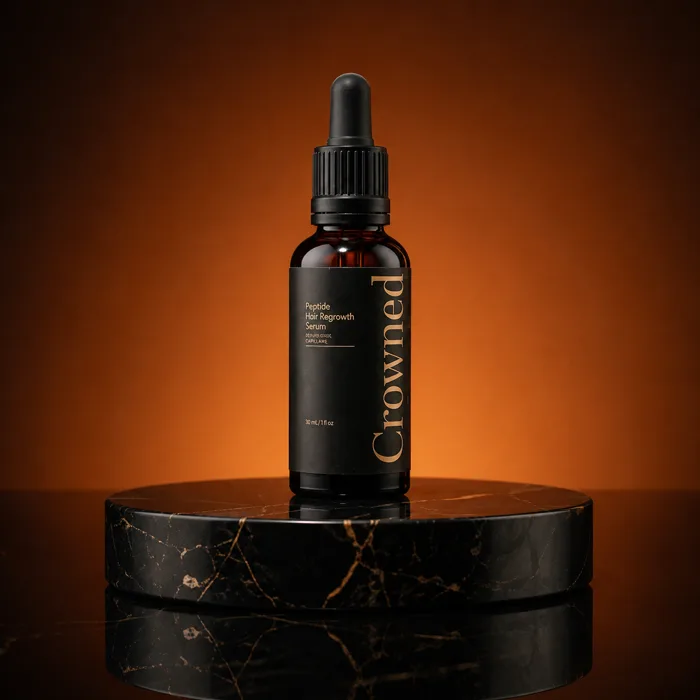
Crowned is relevant as it offers internal nutritional support, complementing external efforts to improve the appearance of dry, crepey skin by providing ingredients that support overall skin health.
- Buy 3, Get 3 Free — Lowest Price Ever$19.99/bottle
- Buy 2, Get 2 Free — Most Popular$27.49/bottle
- Buy 1, Get 1 Free$44.75/bottle
We may earn a commission at no extra cost to you.
What Crowned Does and Doesn't Do for Crepey Skin
Crowned is formulated to provide nutritional support for the health of your hair, skin, and nails. For skin, this often means including ingredients that support collagen production, antioxidant protection, and overall cellular health. For example, it may contain vitamins, minerals, and other compounds that play a role in maintaining skin's structure and vitality.
What Crowned does aim to do is support your body's internal mechanisms that contribute to healthy skin, which can, in turn, help with its appearance and resilience. What it does not do is act as a direct topical treatment to reverse crepey skin immediately. It's not a magic bullet or a replacement for diligent sun protection, topical retinoids, or consistent moisturizing. Think of it as supporting your skin from the inside, while your external efforts tackle the surface issues directly.
Remember, improving crepey skin is a marathon, not a sprint. Consistency with sun protection, hydration, and targeted skincare is key.
When to See a Doctor or Dermatologist
While crepey skin is generally a cosmetic concern, there are times when it's wise to consult a healthcare professional. If you notice any unusual skin changes, such as new or changing moles, persistent rashes, or skin that is painful, itchy, or bleeding, it's always best to get it checked out. A dermatologist can also offer stronger prescription-strength retinoids or discuss in-office procedures like laser treatments or microneedling, which can be more effective for significant crepey skin than topical products alone.