 Wellness Review Labs
 By
By 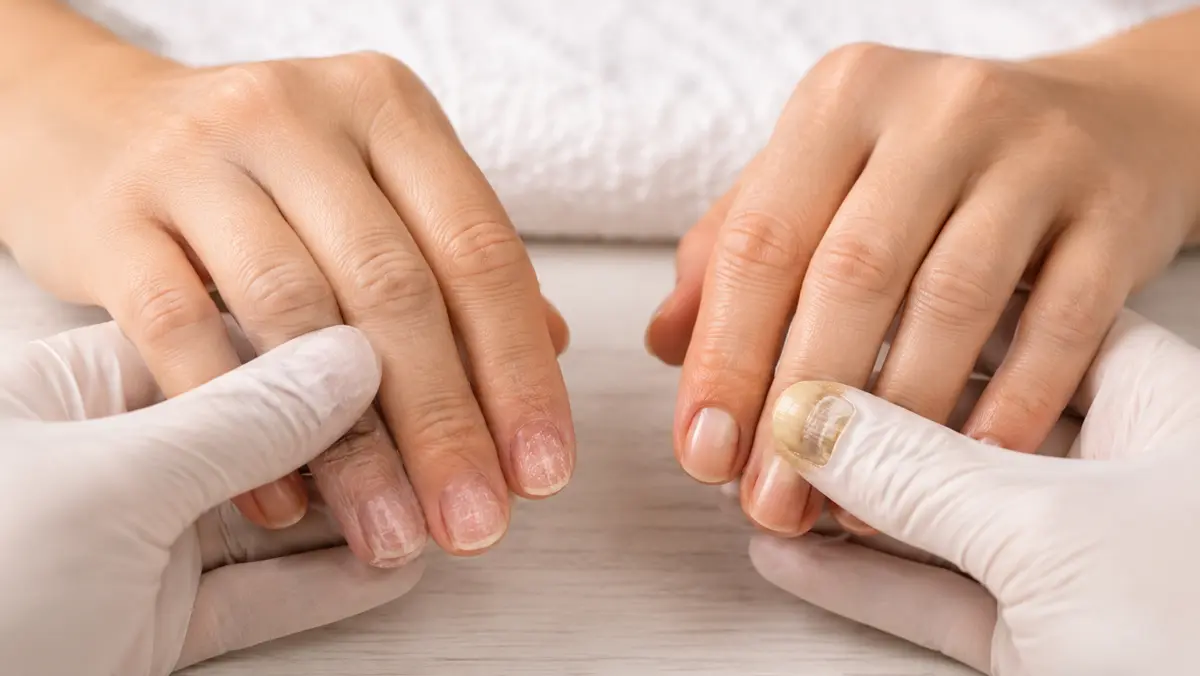
When your nails start to look less than their best, it can be frustrating. You might be seeing peeling, breaking, or a strange color, and the first question that comes to mind is often: is this just dry nails, or something more serious like a fungus? Understanding the difference between brittle nails and a fungal infection is crucial because treating one won't help the other, and misdiagnosis can lead to unnecessary worry or ineffective remedies.
The key distinction lies in the underlying cause. Brittle nails, medically known as onychoschizia or onychorrhexis, are often a symptom of dryness, aging, or external damage. A fungal infection, or onychomycosis, on the other hand, is caused by microscopic organisms invading the nail.
What Are Brittle Nails?
Brittle nails are characterized by nails that are soft, thin, and prone to breaking or splitting, or hard and rigid, leading to chipping. They can peel in layers, develop vertical ridges, and generally feel weak. This condition is quite common, especially as we age, and affects women more frequently than men.
- Dryness: Frequent hand washing, exposure to harsh chemicals (like cleaning products or nail polish removers), or simply low humidity can strip nails of their natural moisture.
- Aging: As we get older, our nails naturally become drier and grow more slowly, making them more susceptible to brittleness.
- Nutritional Deficiencies: While less common than external factors, a lack of certain vitamins and minerals, like biotin or iron, can sometimes contribute to nail health issues.
- Trauma: Repeated minor injuries, such as using nails as tools, can weaken the nail structure over time.
- Underlying Health Conditions: Rarely, conditions like thyroid disease or anemia can manifest as brittle nails, though these usually come with other symptoms.
With brittle nails, you typically won't see significant discoloration (other than perhaps a slight dullness), a foul odor, or a thickened, crumbly texture. The main issue is often the nail's structural integrity and moisture content.
What is a Fungal Nail Infection?
A fungal nail infection occurs when fungi, usually dermatophytes, yeasts, or molds, infect one or more of your nails. These organisms thrive in warm, moist environments, making toenails particularly susceptible.
- Thickening: The nail often becomes noticeably thicker, sometimes making it difficult to trim.
- Discoloration: The nail can turn yellow, brown, white, or even black. The color often starts at the tip and spreads.
- Crumbling Edges: The infected nail may become brittle and crumbly at the edges, or even crumble away entirely.
- Distortion: The nail might lift from the nail bed (a condition called onycholysis), change shape, or become dull and lack its natural luster.
- Odor: In some cases, a mild, foul odor can be present due to debris accumulating under the nail.
- Pain: While often painless in early stages, a severe infection can cause discomfort or pain, especially when wearing shoes.
Fungal infections are contagious and can spread from one nail to another, or even to the skin (causing athlete's foot). Risk factors include walking barefoot in public places (like locker rooms or pools), having athlete's foot, minor nail injuries, diabetes, or a weakened immune system.

How to Tell the Difference: A Quick Guide
Here’s a simple way to compare the common signs:
- Color: Brittle nails are usually normal color or slightly dull. Fungal nails often have yellow, brown, white, or black discoloration.
- Texture: Brittle nails peel, split, or break easily. Fungal nails are typically thickened, crumbly, and may lift from the nail bed.
- Odor: Brittle nails usually have no odor. Fungal nails can sometimes have a mild, foul smell.
- Appearance: Brittle nails might have vertical ridges. Fungal nails often appear distorted or misshapen.
- Spread: Brittle nails usually affect multiple nails due to systemic or environmental factors. Fungal infections can start on one nail and spread.
“I used to think all my nail problems were just from getting older. Once I realized the difference between dryness and a real infection, I knew how to start looking for the right solutions.”— Wellness Review Labs Reader
Effective Strategies for Brittle Nails
If you suspect your nails are simply brittle, the good news is that many effective strategies focus on hydration and protection.
- Moisturize Regularly: Apply a rich hand and nail cream or petroleum jelly several times a day, especially after washing hands. Pay attention to the cuticles.
- Wear Gloves: Protect your hands and nails when doing dishes, cleaning with chemicals, or gardening.
- Avoid Harsh Products: Limit the use of nail polish removers containing acetone, which can be very drying. Opt for acetone-free formulas.
- Trim Nails Short: Keep nails trimmed short and filed smoothly to prevent snagging and further breakage.
- Gentle Filing: File nails in one direction, rather than sawing back and forth, to minimize damage.
- Consider Biotin: Some research suggests that biotin supplementation may help support nail strength and reduce brittleness in individuals with deficiencies, though more extensive studies are needed for a definitive recommendation across the board. Always discuss supplements with your healthcare provider.
Addressing Fungal Nail Infections
Fungal infections are more persistent and usually require targeted treatment. Over-the-counter antifungal creams or lacquers can sometimes help with very mild infections, but often, a doctor's visit is necessary.
- Antifungal Medications: Your doctor may prescribe oral antifungal pills, which are often more effective for stubborn infections, or a prescription-strength topical solution.
- Laser Treatment: In some cases, laser therapy may be an option, though its effectiveness varies.
- Good Foot Hygiene: Keep feet clean and dry. Change socks daily, wear breathable shoes, and avoid walking barefoot in public areas.
- Disinfect Shoes: Regularly disinfect your shoes to kill fungal spores.
Supporting Overall Nail Health
Whether your nails are brittle or recovering from an infection, supporting their overall health is key. A balanced diet rich in vitamins, minerals, and protein forms the foundation. For those looking for additional support, certain supplements are designed to promote nail strength and appearance.
Our featured product, Crowned, is a hair, skin, and nail support formula that includes ingredients like biotin, collagen peptides, and essential vitamins and minerals. These ingredients are chosen to help provide the nutritional building blocks that support the body’s natural processes for healthy hair, skin, and nails. While Crowned is not a treatment for fungal infections, it may help support the overall health and resilience of your nails, making them less prone to brittleness and damage from everyday stressors.
Remember, supplements work best as part of a holistic approach that includes good nail care practices and a healthy lifestyle. If you have a fungal infection, addressing it directly with appropriate medical treatment is the priority.
The Verdict
Crowned is designed to promote skin and hair health, which can indirectly support the appearance of nails. If you're experiencing brittle nails without signs of fungal infection and are looking for a general wellness supplement, this product might be worth considering. However, it's not a targeted solution for nail fungus or specific nail conditions.
Who This Is For — And Who It Is Not
- Individuals seeking general skin and hair health support
- Those with brittle nails due to nutritional factors (not fungus)
- People interested in a supplement with a 90-day money-back guarantee
- Anyone looking for a non-targeted approach to nail appearance
- Anyone with suspected nail fungus or other medical nail conditions; see a doctor instead
- Individuals expecting rapid or dramatic changes in nail strength or appearance
- People seeking a specific treatment for brittle nails or fungal infections
- Those who need to address underlying health issues contributing to nail problems
What We Could Not Verify
We say this plainly because most pages in this category do not. Here is what we could not independently confirm about Crowned:
- The specific ingredients or their dosages in Crowned's formula
- The scientific basis for how Crowned specifically impacts nail health
- Any independent studies or trials demonstrating Crowned's effectiveness for nail issues
- The manufacturer's claims regarding the product's overall efficacy
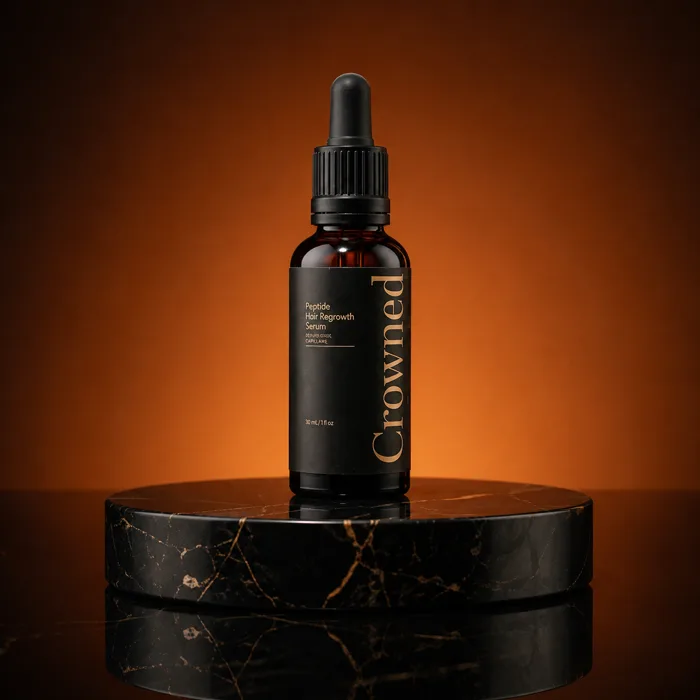
Crowned is relevant as a hair, skin, and nail support formula that may help provide nutritional building blocks for stronger, healthier nails, addressing the underlying weakness often associated with brittle nails, while acknowledging it's not a treatment for fungal infections.
- Buy 3, Get 3 Free — Lowest Price Ever$19.99/bottle
- Buy 2, Get 2 Free — Most Popular$27.49/bottle
- Buy 1, Get 1 Free$44.75/bottle
We may earn a commission at no extra cost to you.