 Wellness Review Labs
 By
By 
Let's get straight to the point: the key difference between a normal, occasional erection problem and erectile dysfunction (ED) lies in consistency and impact. Almost every man will, at some point, have trouble getting or keeping an erection. This can be due to stress, tiredness, too much alcohol, or simply being distracted. This is normal. Erectile dysfunction, however, is when this difficulty happens regularly, making it hard to have satisfying sexual intercourse.
What is a 'Normal' Erection?
A normal erection is a complex process involving your brain, hormones, nerves, blood vessels, and muscles. When you're sexually aroused, signals from your brain cause the muscles in your penis to relax, allowing blood to flow into the two chambers called the corpus cavernosa. This blood fills the chambers, causing the penis to expand and become rigid. A normal erection is firm enough for penetration and lasts long enough for satisfactory sexual activity for both partners.
It's important to remember that 'normal' also includes some variability. Erections aren't always 100% firm, and they might not last the same amount of time every single time. Factors like fatigue, anxiety, or even just feeling a bit 'off' can influence performance. This occasional variability is usually nothing to worry about.
What is Erectile Dysfunction (ED)?
Erectile dysfunction, often called impotence, is the consistent or recurrent inability to achieve and/or maintain an erection firm enough for satisfactory sexual intercourse. It's not just a one-off event. The 'consistent or recurrent' part is crucial here. If you're frequently finding it difficult to get an erection, or if it's not firm enough, or if it doesn't last, that's when it moves into the territory of ED.
ED is a common condition, especially as men age. It's estimated that it affects millions of men in the United States. While it becomes more prevalent with age, it's not an inevitable part of aging and can affect men of any age.

Common Causes: Why the Difference Matters
Understanding the causes of ED is vital because it often points to underlying health issues. What might cause an occasional 'off' night is usually temporary, while ED can be a warning sign.
- Physical Causes: These are the most common culprits, especially as men get older. Conditions like heart disease, clogged blood vessels (atherosclerosis), high cholesterol, high blood pressure, diabetes, obesity, Parkinson's disease, multiple sclerosis, and Peyronie's disease can all impair blood flow or nerve function necessary for an erection. Surgical procedures (especially prostate surgery) and injuries to the pelvic area or spinal cord can also contribute.
- Psychological Causes: Your mind plays a huge role in sexual function. Stress, anxiety (especially performance anxiety), depression, relationship problems, and grief can all interfere with the brain signals needed to initiate an erection. Sometimes, even if the root cause is physical, the anxiety about ED itself can make the problem worse.
- Lifestyle Factors: Smoking, excessive alcohol consumption, drug use, lack of exercise, and an unhealthy diet can all contribute to ED by impacting blood vessel health and overall well-being.
- Medications: Many common medications can cause ED as a side effect. These include certain blood pressure drugs, antidepressants, antihistamines, appetite suppressants, and prostate cancer medications.
- Hormonal Imbalances: Low testosterone (low T) can contribute to ED, though it's less common as a sole cause than many people think. Other hormonal issues can also play a role.
What Actually Helps: Beyond the Occasional Blip
Addressing ED often involves a multi-pronged approach. What works for one man might not work for another, but here are some common strategies:
- Lifestyle Changes: This is often the first line of defense and can make a significant difference. Regular exercise, a heart-healthy diet (rich in fruits, vegetables, and whole grains), maintaining a healthy weight, quitting smoking, and reducing alcohol intake can improve blood flow and overall health.
- Stress Management: Techniques like meditation, yoga, mindfulness, or even just ensuring you get enough sleep can help reduce anxiety and improve your ability to relax, which is essential for sexual function.
- Therapy: For psychological causes, counseling (individual or couples therapy) can be very effective in addressing anxiety, depression, or relationship issues that contribute to ED.
- Medications: Prescription medications like sildenafil (Viagra), tadalafil (Cialis), vardenafil (Levitra), and avanafil (Stendra) are often very effective. They work by enhancing the effects of nitric oxide, a natural chemical your body produces that relaxes muscles in the penis, increasing blood flow.
- Other Medical Treatments: Depending on the cause, your doctor might suggest vacuum pumps, penile implants, or injections.
- Supplements: Some natural supplements are designed to support healthy blood flow and overall male performance. They are not a substitute for medical treatment but can be a supportive option for some men.
“I used to just shrug it off, thinking it was 'just getting older.' But when it started happening more often, I realized I needed to do something. Simple changes made a bigger difference than I expected.”— A man in his late 50s
Considering Supplements for Support
When it comes to supplements, it's important to have realistic expectations. They are not a cure for ED, nor can they replace prescription medications or address serious underlying health conditions. However, certain ingredients found in supplements like VigorJelly are designed to support healthy blood flow and male performance. These often include amino acids like L-Arginine or L-Citrulline, which are precursors to nitric oxide, a compound critical for dilating blood vessels.
VigorJelly is formulated to help support healthy blood flow and overall male performance. It contains a blend of natural ingredients, including those that may help promote nitric oxide production. It's designed for men looking for a daily supplement to support their sexual health and vitality, particularly when blood flow is a contributing factor to occasional performance issues.
Remember, the evidence for many supplement ingredients is limited compared to prescription drugs, and results can vary. Always discuss any supplements you're considering with your doctor, especially if you're taking other medications or have existing health conditions.
The Verdict
VigorJelly may be worth considering for individuals experiencing mild, occasional difficulties with erectile function who are looking for a non-prescription option. Its 60-day money-back guarantee offers a low-risk way to assess its potential benefits for your specific situation.
Who This Is For — And Who It Is Not
- Men experiencing occasional, mild erectile difficulties.
- Individuals seeking a supplement to support male performance.
- Those who prefer a non-prescription approach.
- People interested in trying a product with a money-back guarantee.
- Anyone with persistent or severe erectile dysfunction, which requires medical evaluation.
- Individuals who are currently taking prescription medication for erectile dysfunction.
- People expecting immediate or dramatic results.
- Anyone whose symptoms might indicate an underlying health condition.
What We Could Not Verify
We say this plainly because most pages in this category do not. Here is what we could not independently confirm about VigorJelly:
- The specific ingredients and their exact dosages, as the manufacturer does not publish this information.
- Independent third-party testing for purity and potency.
- The scientific basis for its mechanism of action, given the lack of ingredient disclosure.
- Any clinical trials or studies directly on VigorJelly.
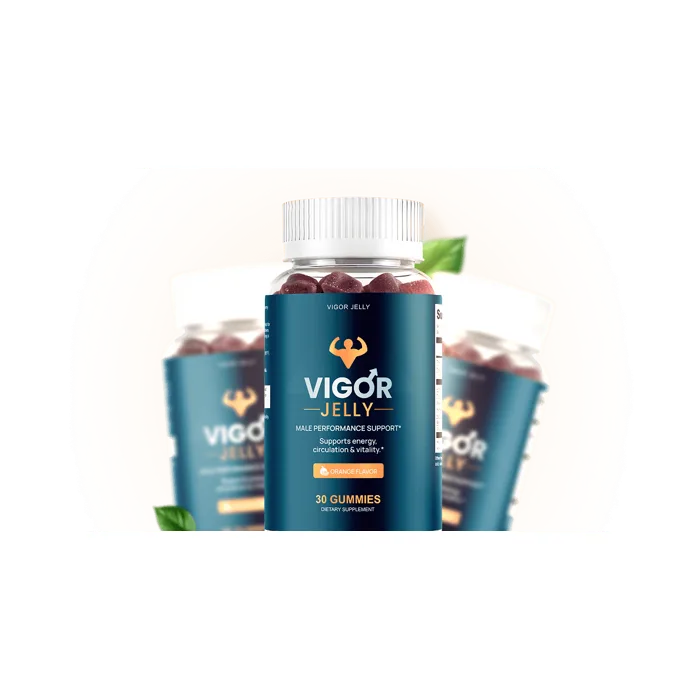
VigorJelly is introduced as a supportive supplement for blood flow and male performance, which can be a beneficial option for men experiencing occasional or mild erectile issues, alongside lifestyle changes and medical consultation.
- 6-Bottle Package — Lowest Price Per Bottlebest value/bottle
- 3-Bottle Package — Most Popularmost popular/bottle
- 2-Bottle Packagestarter/bottle
We may earn a commission at no extra cost to you.
Taking Control of Your Sexual Health
Whether you're experiencing an occasional problem or suspect you might have ED, the good news is that there are many effective ways to address it. The first and most important step is often the hardest: talking about it. Open communication with your doctor and, if applicable, your partner, can pave the way for understanding and finding the right solutions for you.
Don't dismiss persistent erection issues as 'just aging.' They are often a valuable indicator of your overall health. By understanding the difference between normal variations and ED, you empower yourself to seek appropriate care and improve your quality of life.