 Wellness Review Labs
 By
By 
Low libido, sometimes called a reduced sex drive, means you have less interest in sexual activity than you used to. It's a common concern for many men, especially as they get older, but it can happen at any age. The good news is that it's often a symptom of something treatable, not a permanent state.
The Role of Hormones: Testosterone and Beyond
One of the most talked-about causes of low libido in men is testosterone. Testosterone is the primary male sex hormone, and it plays a key role in sex drive, muscle mass, bone density, and red blood cell production. As men age, testosterone levels naturally decline. This dip can start around age 30 and continue gradually. When testosterone levels fall below a certain point, it can lead to a noticeable decrease in sexual desire.
However, it's not just about testosterone. Other hormones can also play a part. For example, elevated prolactin levels (a hormone produced by the pituitary gland) can suppress libido. Thyroid hormones also influence overall energy and metabolism, and an underactive thyroid can contribute to fatigue and reduced sex drive.
Lifestyle Factors That Dampen Desire
Beyond hormones, many everyday habits and circumstances can put a damper on your sex drive. These are often the easiest to address once you identify them.
- Stress and Anxiety: Chronic stress, whether from work, family, or financial worries, can significantly reduce libido. When your body is in a constant state of 'fight or flight,' sexual desire often takes a backseat.
- Poor Sleep: Not getting enough restful sleep can throw your hormones out of whack and leave you feeling constantly fatigued. Both of these can lead to a lower sex drive.
- Diet and Nutrition: A diet high in processed foods and lacking essential nutrients can impact overall health, energy levels, and hormonal balance, all of which contribute to libido.
- Lack of Physical Activity: Regular exercise can boost mood, energy, and circulation, all positive for sex drive. A sedentary lifestyle can have the opposite effect.
- Excessive Alcohol or Drug Use: While a small amount of alcohol might lower inhibitions, excessive drinking can impair sexual function and reduce desire. Illicit drug use also often has negative impacts on libido.
- Relationship Issues: Unresolved conflicts, lack of emotional intimacy, or communication problems with a partner can naturally decrease interest in sex.

Underlying Health Conditions and Medications
Sometimes, a reduced sex drive is a signal from your body that something else is going on. Several medical conditions can directly or indirectly affect libido.
- Obesity: Being overweight or obese can affect testosterone levels and contribute to other health issues that impact libido.
- Diabetes: This condition can damage nerves and blood vessels, leading to erectile dysfunction and reduced sex drive.
- High Blood Pressure and Heart Disease: Conditions that affect blood flow can impact sexual function, and the medications used to treat them can also have side effects.
- Depression and Other Mental Health Conditions: Depression itself often comes with a loss of interest in activities once enjoyed, including sex. The medications used to treat depression can also sometimes reduce libido.
- Chronic Pain: Living with ongoing pain can be draining and make sexual activity less appealing.
- Medications: Beyond antidepressants, certain blood pressure medications, opioids, and even some hair loss treatments can affect sex drive. Always discuss potential side effects with your doctor.
What Actually Helps: Practical Steps You Can Take
Addressing low libido often involves a multi-pronged approach. Start with these practical steps:
- Prioritize Sleep: Aim for 7-9 hours of quality sleep per night. Establish a consistent sleep schedule and create a relaxing bedtime routine.
- Manage Stress: Explore stress-reduction techniques like meditation, deep breathing exercises, spending time in nature, or engaging in hobbies you enjoy.
- Eat a Balanced Diet: Focus on whole, unprocessed foods, lean proteins, healthy fats, and plenty of fruits and vegetables. This supports overall health and hormonal balance.
- Stay Active: Regular physical activity, including both cardiovascular exercise and strength training, can boost energy, mood, and circulation.
- Communicate with Your Partner: Openly discussing your feelings and concerns with your partner can help reduce pressure and foster intimacy in other ways.
- Consider Your Medications: Review any medications you're taking with your doctor to see if they might be contributing to low libido. Never stop medication without medical advice.
- Address Relationship Issues: If relationship problems are a factor, consider couples counseling to improve communication and intimacy.
For some men, especially those experiencing age-related changes or seeking additional support for vitality, certain supplements are designed to help support healthy blood flow and overall male performance. One such option is VigorJelly.
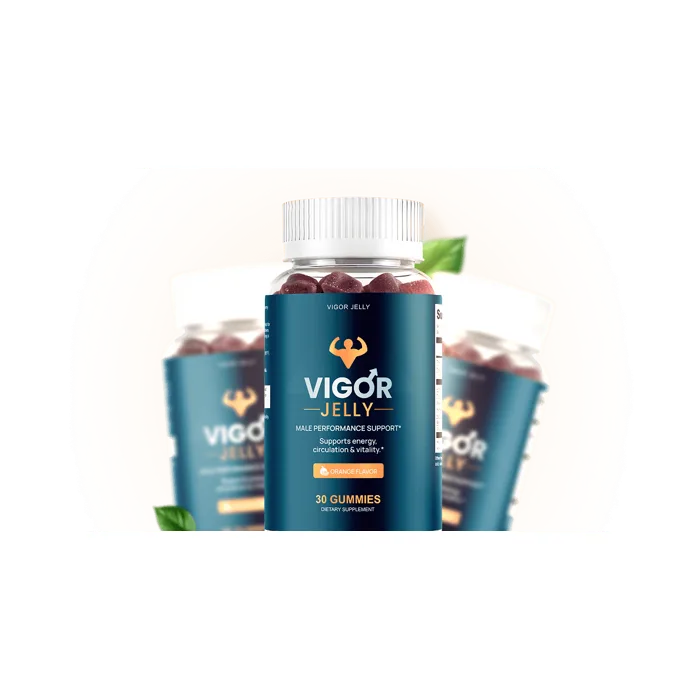
VigorJelly is relevant as it's a male performance and blood-flow support supplement, offering an option for men seeking to support their vitality and address aspects that can contribute to low libido.
- 6-Bottle Package — Lowest Price Per Bottlebest value/bottle
- 3-Bottle Package — Most Popularmost popular/bottle
- 2-Bottle Packagestarter/bottle
We may earn a commission at no extra cost to you.
When to See a Doctor
While many causes of low libido are related to lifestyle, it's important not to overlook potential underlying medical issues. If your low libido is persistent, bothersome, or accompanied by other symptoms like erectile dysfunction, fatigue, or changes in mood, it's a good idea to schedule an appointment with your doctor. They can help rule out medical conditions, check hormone levels, and discuss potential treatment options.
“Taking care of your overall health—your sleep, your diet, your stress—often has a ripple effect on your sex drive. It's all connected.”— A man who experienced a renewed sense of vitality after lifestyle changes.