 Wellness Review Labs
 By
By 
When you ask yourself, "What's the difference between short-term memory and long-term memory?" you're touching on a core aspect of how your brain processes and keeps track of your daily life and your entire personal history. Think of them as two different kinds of storage units, each with its own capacity and duration.
Short-term memory is like a temporary holding space, a mental notepad where you jot down information you need right now. It has a very limited capacity and can only hold information for about 20-30 seconds, unless you actively try to keep it there. For example, remembering a phone number just long enough to dial it, or the name of someone you were just introduced to.
Long-term memory, on the other hand, is your brain's vast, permanent library. It can store an enormous amount of information, from facts and skills to personal experiences, for days, months, years, or even a lifetime. This is where you keep memories of your childhood, how to ride a bike, or the meaning of words.
The Mental Scratchpad: What is Short-Term Memory?
Short-term memory, sometimes referred to as working memory (though working memory has an added component of manipulating that information), is crucial for everyday tasks. It allows you to follow a conversation, solve a simple math problem in your head, or remember the ingredients you just looked at while cooking.
- Limited Capacity: Generally, most people can hold about 5-9 pieces of information at a time. Think of it as your brain's active desktop – too many open windows, and things get cluttered.
- Brief Duration: Without rehearsal (repeating information to yourself), this memory fades quickly, usually within half a minute.
- Fragile: It's easily disrupted. A sudden distraction can make you forget what you were just thinking about.
Losing your train of thought in a conversation or forgetting why you walked into a room are classic examples of short-term memory lapses. These are often normal and not usually a cause for concern.
The Brain's Encyclopedia: What is Long-Term Memory?
Long-term memory is where all your meaningful experiences, knowledge, and skills are stored. It's what makes you who you are, shaping your understanding of the world and your identity. Unlike short-term memory, its capacity is practically limitless, and its duration can span decades.
Long-term memory isn't a single entity; it's broken down into different types:
- Explicit (Declarative) Memory: This is memory you can consciously recall and talk about. It includes:
- [object Object]
- Implicit (Non-Declarative) Memory: This is memory you use without conscious awareness. It includes:
- [object Object]
When you recall a cherished family vacation from years ago, or automatically tie your shoelaces, you're accessing your long-term memory.

How Do Memories Move from Short to Long Term? The Process of Consolidation
The journey from a fleeting thought to a lasting memory isn't instantaneous. It involves a critical process called memory consolidation. This is how your brain transforms unstable, new memories into more stable, long-term forms.
This process largely occurs in the hippocampus, a small, seahorse-shaped region deep within your brain. When you learn something new, the hippocampus acts like a temporary index, helping to link together different aspects of that memory (sights, sounds, emotions) stored in various parts of your brain.
Crucially, sleep matters in consolidation. During deep sleep stages, your brain actively replays and reorganizes new information, strengthening the neural connections that form long-term memories. This is why a good night's sleep is so important for learning and memory.
Everyday Factors Affecting Memory and What You Can Do
Many everyday factors can impact both your short-term and long-term memory. Understanding these can help you take steps to support your brain health.
- Lack of Sleep: As mentioned, sleep is essential for memory consolidation. Chronic sleep deprivation can impair your ability to form new memories and recall existing ones.
- Stress and Anxiety: High levels of stress hormones can interfere with the hippocampus's function, making it harder to focus and remember.
- Poor Nutrition: A diet lacking in essential nutrients, particularly antioxidants and omega-3 fatty acids, can negatively affect brain health.
- Lack of Mental Stimulation: Just like muscles, your brain needs exercise. A lack of new challenges can lead to cognitive decline.
- Certain Medications: Some prescription and over-the-counter drugs can have memory impairment as a side effect.
- Underlying Health Conditions: Conditions like thyroid issues, vitamin deficiencies, and even depression can manifest as memory problems.
Here are some practical, free ways to help support your memory:
- Prioritize Sleep: Aim for 7-9 hours of quality sleep per night.
- Manage Stress: Practice relaxation techniques like meditation, deep breathing, or spending time in nature.
- Eat a Brain-Healthy Diet: Focus on whole foods, fruits, vegetables, lean proteins, and healthy fats. The Mediterranean diet is often recommended.
- Stay Mentally Active: Learn new skills, read, do puzzles, or engage in hobbies that challenge your mind.
- Exercise Regularly: Physical activity increases blood flow to the brain and can support neurogenesis (the growth of new brain cells).
- Stay Socially Engaged: Social interaction can keep your mind sharp and reduce feelings of isolation.
Supporting Memory: Lifestyle and Supplements
While lifestyle adjustments are foundational for memory health, some people also look to supplements for additional support. It's important to understand that supplements are designed to complement, not replace, healthy habits.
One area of research focuses on ingredients that may help protect brain cells and support their function. For instance, some natural compounds are being studied for their potential roles in cellular cleanup and protection.
MemoFlow, a sublingual drop supplement, focuses on two hero ingredients: anthocyanins concentrated from wild Ikarian mountain honey and natural lithium orotate from Ikarian springs. Anthocyanins are antioxidants that some research suggests may help bind to and clear accumulated heavy metals, like cadmium, which can impact cognitive function. Natural lithium orotate is included as a gentle shield, designed to support brain cell health and potentially guard against the re-absorption of certain substances. These ingredients are delivered via a micromilling process called Neural MicroLock, aiming for efficient sublingual absorption, meaning they are absorbed directly into the bloodstream under the tongue.
MemoFlow is made in the USA in an FDA-registered GMP-certified facility and is batch tested for quality. It comes with a 90-day money-back guarantee and starts from $19.99 per bottle. While supplements like MemoFlow are designed to support brain health, they are not a substitute for a healthy lifestyle, adequate sleep, and managing stress.
The Verdict
MemoFlow may be worth considering for individuals seeking to support their general cognitive function and memory. While it is not a solution for significant memory issues, it could offer a complementary approach for those looking to maintain mental clarity as part of a healthy lifestyle.
Who This Is For — And Who It Is Not
- Adults interested in supporting daily cognitive function.
- Individuals looking for a supplement to complement a healthy diet and lifestyle.
- Those seeking to maintain mental sharpness as they age.
- People who want to try a memory support supplement with a money-back guarantee.
- Anyone experiencing significant memory loss or cognitive decline, who should consult a doctor.
- Individuals expecting immediate or dramatic improvements in memory.
- People who believe a supplement can replace medical advice or prescribed treatments.
- Those with underlying health conditions that might affect memory, without prior medical consultation.
What We Could Not Verify
We say this plainly because most pages in this category do not. Here is what we could not independently confirm about MemoFlow:
- The specific ingredients and their exact dosages, as the formula is proprietary.
- The scientific studies, if any, that directly support the efficacy of this specific formulation.
- The manufacturing processes and quality control standards employed.
- Independent third-party testing results for purity and potency.
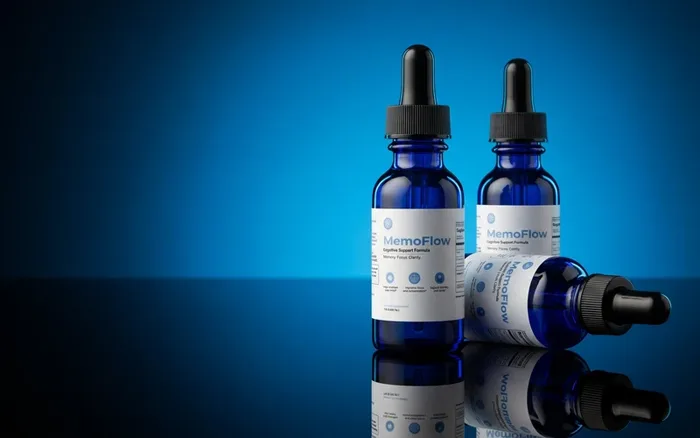
MemoFlow is relevant as it targets cellular health and protection within the brain, which supports the overall function necessary for memory consolidation and retention.
- Buy 3, Get 3 Free — Lowest Price Ever$19.99/bottle
- Buy 2, Get 2 Free — Most Popular$24.99/bottle
- Buy 1, Get 1 Free$29.99/bottle
We may earn a commission at no extra cost to you.
"I used to constantly misplace my glasses, keys, you name it. While I've also focused on getting more sleep, I feel like I'm not fumbling for words as much. It's a noticeable difference."— A Wellness Review Labs Reader
Ultimately, supporting your memory, whether short-term or long-term, involves a holistic approach. Understanding how your brain stores information is the first step toward making informed choices for its well-being.
If you find yourself consistently struggling with memory issues that significantly impact your daily life, it's always best to consult with a healthcare professional to rule out any underlying conditions.