 Wellness Review Labs
 By
By 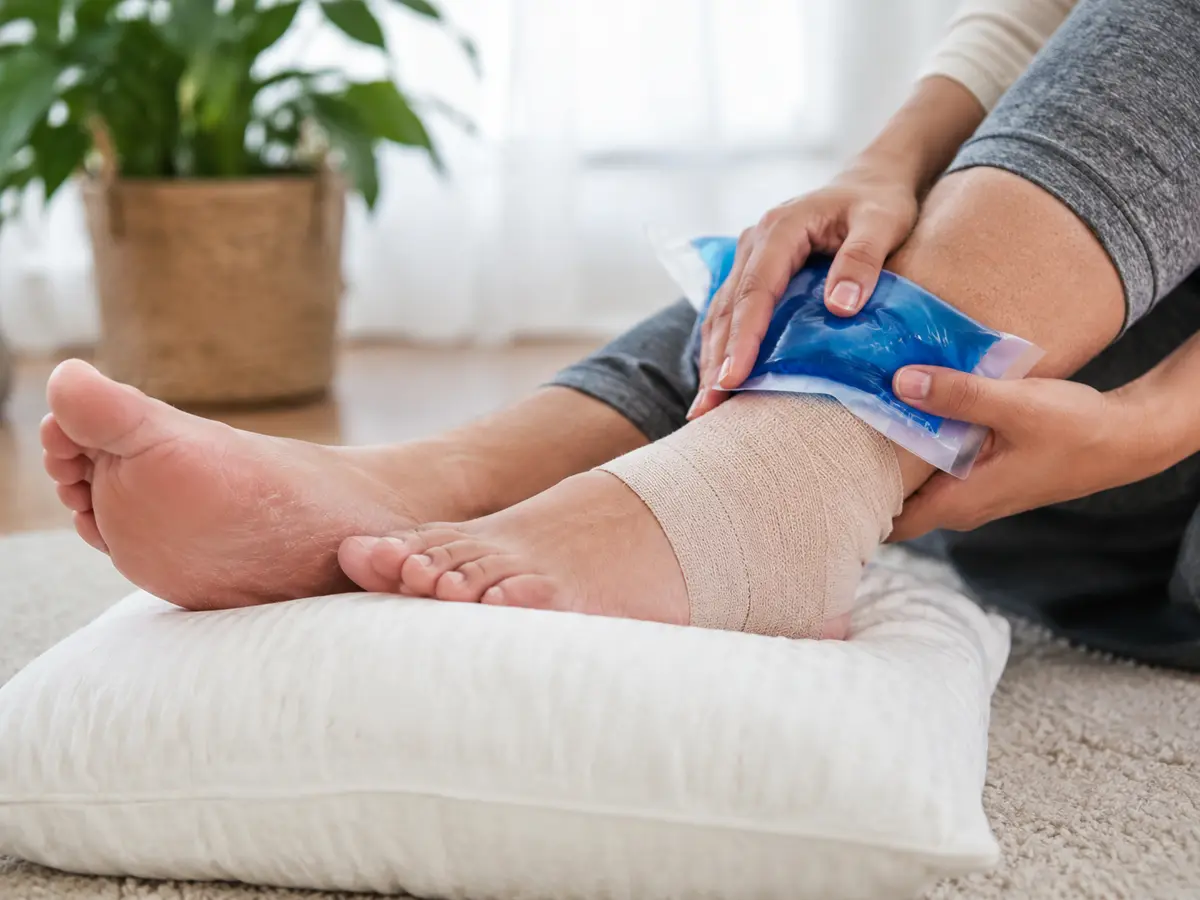
The Hormone-Fluid Connection
When women enter perimenopause or menopause, fluctuating or declining estrogen levels trigger a wide cascade of physical changes. When you introduce supplemental estrogen via hormone replacement therapy (HRT), your body's delicate internal chemistry has to find a brand new equilibrium. Estrogen directly influences the renin-angiotensin-aldosterone system—the complex hormone network that tells your kidneys precisely how much water and salt to hold onto or excrete.
For many women, this biochemical shift manifests as mild, temporary bloating, swollen fingers that make removing rings difficult by late afternoon, or a persistent feeling of heavy, achy legs. It is most noticeable during the first four to eight weeks of starting HRT, or whenever your prescribing doctor adjusts your dosage, changes your delivery method (such as moving from oral pills to transdermal patches), or introduces a new synthetic progestin.
Understanding that this is a physiological response rather than a personal failure can bring considerable peace of mind. Your body is working hard to accommodate the new influx of hormones, and as it adapts, the extra fluid accumulation typically begins to subside on its own. However, while you are waiting for that internal adjustment period to complete, everyday discomfort can make daily life frustrating.
Everyday Steps to Encourage Fluid Balance
You do not have to simply wait it out in discomfort while your hormones settle. Several practical, everyday habits can actively support your body's natural drainage pathways and encourage healthy fluid movement without requiring extreme measures or restrictive crash diets:
- Drink more water, not less: When you notice you are retaining water, the counterintuitive instinct is often to stop drinking fluids. In reality, staying well-hydrated signals your kidneys that it is safe to release stored fluid rather than hoarding it.
- Look closely at hidden sodium: Highly processed convenience foods frequently spike your sodium intake, which actively holds water in your soft tissues. Focus instead on potassium-rich whole foods like leafy greens, avocados, and bananas to help balance your sodium levels naturally.
- Support lymphatic flow through movement: Unlike your cardiovascular system, which has the beating heart to drive circulation, your lymphatic system completely lacks a central pump. It relies entirely on skeletal muscle contraction and deep breathing. Daily walking, gentle rebounding, or simple stretching keeps fluid moving.
- Consider gentle compression: If your lower legs bear the brunt of the daily puffiness, wearing supportive socks or taking time to elevate your legs above your heart at the end of the day can prevent fluid from pooling in your ankles.
Consistency is key with these habits. Incorporating a brisk walk into your morning routine and swapping salty afternoon snacks for fresh fruit can make a noticeable cumulative difference in how your limbs feel by the end of the day.
When Dietary and Lifestyle Habits Need Extra Support
For women whose lymphatic systems are particularly sluggish or slow to process these hormonal shifts, basic dietary changes sometimes need a little extra reinforcement. This is where targeted botanical support can fit smoothly into a daily wellness routine. Herbs that have been historically used to support fluid balance and microcirculation—such as butcher's broom, dandelion leaf, and horse chestnut—work by encouraging healthy blood and lymph flow in the extremities.
When choosing to explore herbal options, quality and delivery format matter significantly. Liquid extracts, for instance, are often absorbed more efficiently by the digestive tract than large, compressed tablets. They also allow for flexible dosing, letting you adjust how much you take based on how heavy or puffy your legs feel on any given day during your HRT transition.
Where Linfaflow Fits In
At Wellness Review Labs, our editorial team evaluates dozens of targeted formulas for our readers. In the category of lymphatic support and fluid comfort, we frequently look at Linfaflow, a plant-based liquid drop formula specifically designed to support microcirculation and normal lymphatic drainage. It features a carefully chosen blend of traditional botanicals aimed at reducing the uncomfortable feeling of heaviness in the legs and hands during hormonal shifts.
What it does: Linfaflow uses a liquid delivery format to help the body process mild fluid stagnation, supporting everyday comfort and ease during transitional life stages like perimenopause and menopause.
What it does not do: It is not a prescription medication, it will not instantly flush out water weight overnight like a harsh diuretic, and it does not replace professional medical treatment if your fluid retention stems from an underlying heart, kidney, or thyroid condition.
Bottles start around $19.99, and the manufacturer backs the product with a straightforward 90-day money-back guarantee, making it a relatively low-risk option to test alongside your lifestyle adjustments if stubborn puffiness continues to bother you.

Linfaflow provides gentle, plant-based lymphatic support to help ease the feeling of heavy limbs and mild fluid retention often triggered by HRT adjustments.
- Buy 3, Get 3 Free — Lowest Price Ever$19.99/bottle
- Buy 2, Get 2 Free — Most Popular$29.99/bottle
- Buy 1, Get 1 Free$34.75/bottle
We may earn a commission at no extra cost to you.
Since starting HRT, my rings felt tight by midday. Drinking more water and adding a gentle circulation supplement helped take the edge off the puffiness without disrupting my daily routine.— Reader in our 45-75 wellness community