 Wellness Review Labs
 By
By 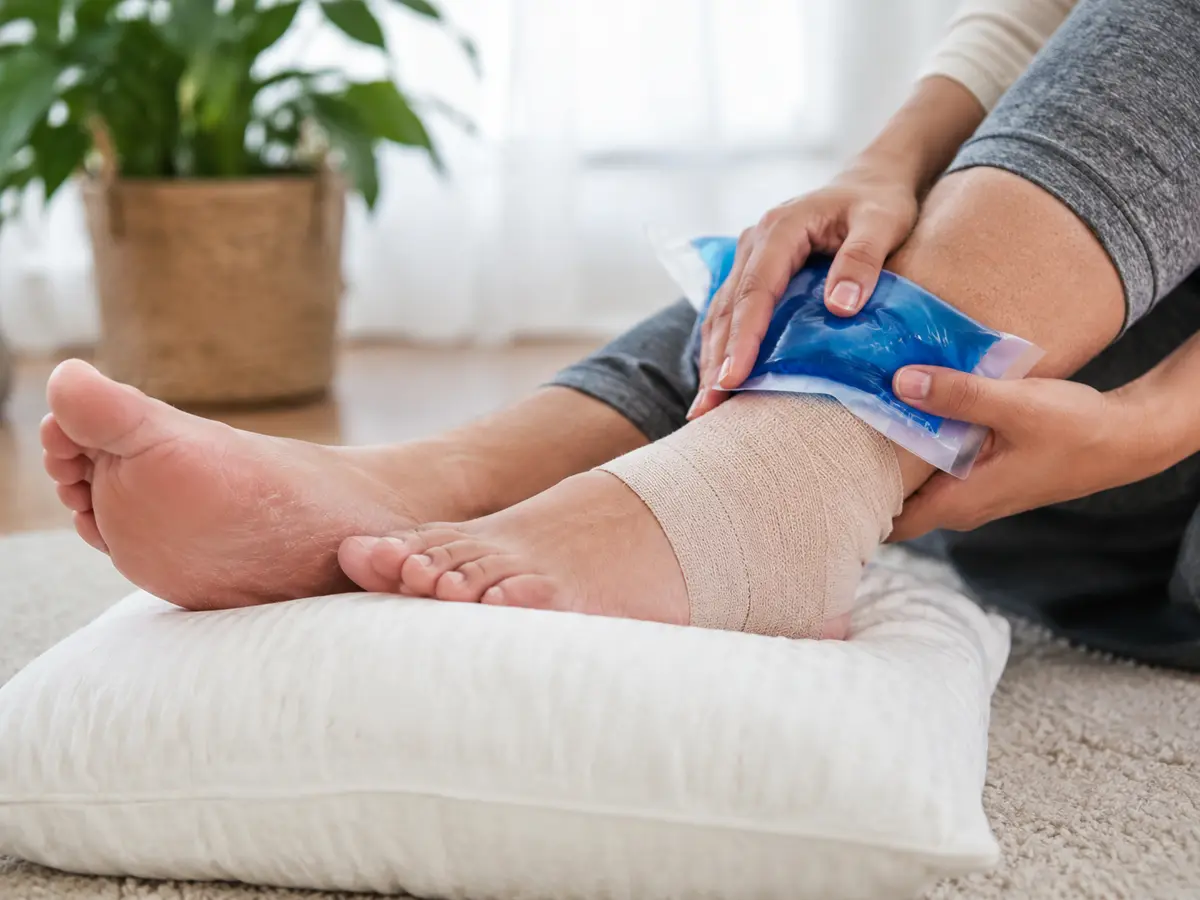
When your feet are swollen, they generally look larger and puffier than their usual size. This puffiness can extend to your ankles and even up your lower legs. The skin over the swollen area might appear stretched, shiny, or even a bit discolored, sometimes reddish or a paler hue.
One of the most telling signs of swollen feet is called 'pitting edema.' If you gently press your finger into the swollen area for a few seconds and then remove it, an indentation or 'pit' might remain for a short time. This happens because the excess fluid has been temporarily pushed aside.
You might also notice that your shoes feel uncomfortably tight, or that socks leave deep marks around your ankles and calves. The normal contours of your feet and ankles can become less defined, making them look 'blocky' or 'doughy'.
Why Do Feet Swell? Understanding the Mechanism
Swelling in the feet and ankles, medically known as peripheral edema, happens when fluid leaks out of your tiny blood vessels (capillaries) and accumulates in the surrounding tissues. Our bodies are constantly balancing fluids, but sometimes this balance gets disrupted.
Gravity plays a big role. When you stand or sit for long periods, gravity naturally pulls fluid downwards, making it harder for your body to circulate it back up towards the heart. This is why swelling often worsens throughout the day and is more noticeable in the lower extremities.
- Increased pressure in capillaries: This pushes fluid out.
- Decreased protein in blood: Proteins help keep fluid in blood vessels; lower levels can lead to leakage.
- Damage to lymphatic system: This system helps drain excess fluid; if it's not working right, fluid builds up.
Common Everyday Causes of Swollen Feet
Most of the time, swollen feet are a temporary nuisance caused by everyday factors. It’s not always a sign of something serious, especially if it comes and goes.
- Prolonged Standing or Sitting: Spending too much time on your feet or sitting still can cause fluid to pool.
- Hot Weather: Heat causes blood vessels to expand, which can make it easier for fluid to leak into tissues.
- Dietary Factors: A diet high in sodium can make your body retain more water, leading to swelling.
- Pregnancy: The body produces more fluid during pregnancy, and the growing uterus can put pressure on blood vessels, impairing circulation.
- Certain Medications: Some drugs, like certain blood pressure medications, NSAIDs, steroids, and hormones, can cause fluid retention as a side effect.
- Minor Injuries: A sprain or strain can cause localized swelling as part of the healing process.
- Hormonal Changes: Fluctuations during menstrual cycles can sometimes lead to temporary fluid retention.
When to See a Doctor
While often harmless, sometimes swollen feet can signal a more serious underlying health issue. It's important to know when to seek medical advice.
- Sudden or Severe Swelling: Especially if it affects only one leg or foot.
- Pain and Redness: If the swollen area is also red, warm to the touch, or very painful.
- Swelling with Shortness of Breath or Chest Pain: These are urgent symptoms that require immediate medical attention.
- Swelling Accompanied by Fever: Could indicate an infection.
- Persistent Swelling: If swelling doesn't improve with home remedies or lasts for several days.
- Swelling Following an Injury: To rule out fractures or other significant damage.
What Actually Helps Swollen Feet (Beyond Medication)
For most everyday cases of swollen feet, simple lifestyle adjustments and home remedies can provide significant relief. These approaches focus on improving circulation and reducing fluid retention.
- Elevate Your Feet: Lie down and raise your feet above the level of your heart for 15-20 minutes a few times a day. You can use pillows or a wedge cushion.
- Move Regularly: If you sit or stand for long periods, take breaks to walk around or do simple ankle rotations and foot pumps to encourage circulation.
- Stay Hydrated: Drinking plenty of water helps your body flush out excess sodium and maintain fluid balance.
- Reduce Sodium Intake: Limit processed foods, canned goods, and salty snacks. Cook at home to control salt levels.
- Wear Compression Stockings: These can gently squeeze your legs to prevent fluid from pooling. Talk to your doctor about the right level of compression for you.
- Gentle Massage: Massaging your feet and ankles upwards towards your heart can help move fluid.
- Cool Compresses: Applying a cool, damp cloth can sometimes reduce swelling and discomfort, especially in hot weather.
Taking a few minutes to elevate your feet at the end of the day can make a surprising difference in how your ankles feel the next morning.— A person who experiences occasional foot swelling
For those seeking additional support, some individuals find plant-based supplements helpful in supporting healthy fluid balance and lymphatic function. Linfaflow is one such option. It’s a liquid drop formula designed to promote lymphatic drainage and reduce occasional fluid retention with ingredients like dandelion and uva ursi. While it won't cure underlying medical conditions, it may help support your body’s natural processes for managing fluid balance, especially when combined with the lifestyle changes mentioned above. It’s designed to be an easy-to-take addition to your daily routine, offering a natural approach to complement your efforts.

Linfaflow is relevant as a plant-based liquid drop that may help support the body's natural lymphatic function and reduce occasional fluid retention, complementing lifestyle changes for swollen feet.
- Buy 3, Get 3 Free — Lowest Price Ever$19.99/bottle
- Buy 2, Get 2 Free — Most Popular$29.99/bottle
- Buy 1, Get 1 Free$34.75/bottle
We may earn a commission at no extra cost to you.
Living with Occasional Swollen Feet
Occasional swollen feet are a common experience, especially as we age or when our routines change. By understanding how they look, what causes them, and what simple steps you can take, you can often manage the discomfort effectively. Remember, listening to your body and consulting a healthcare professional when concerns arise is always the best approach.