 Wellness Review Labs
 By
By 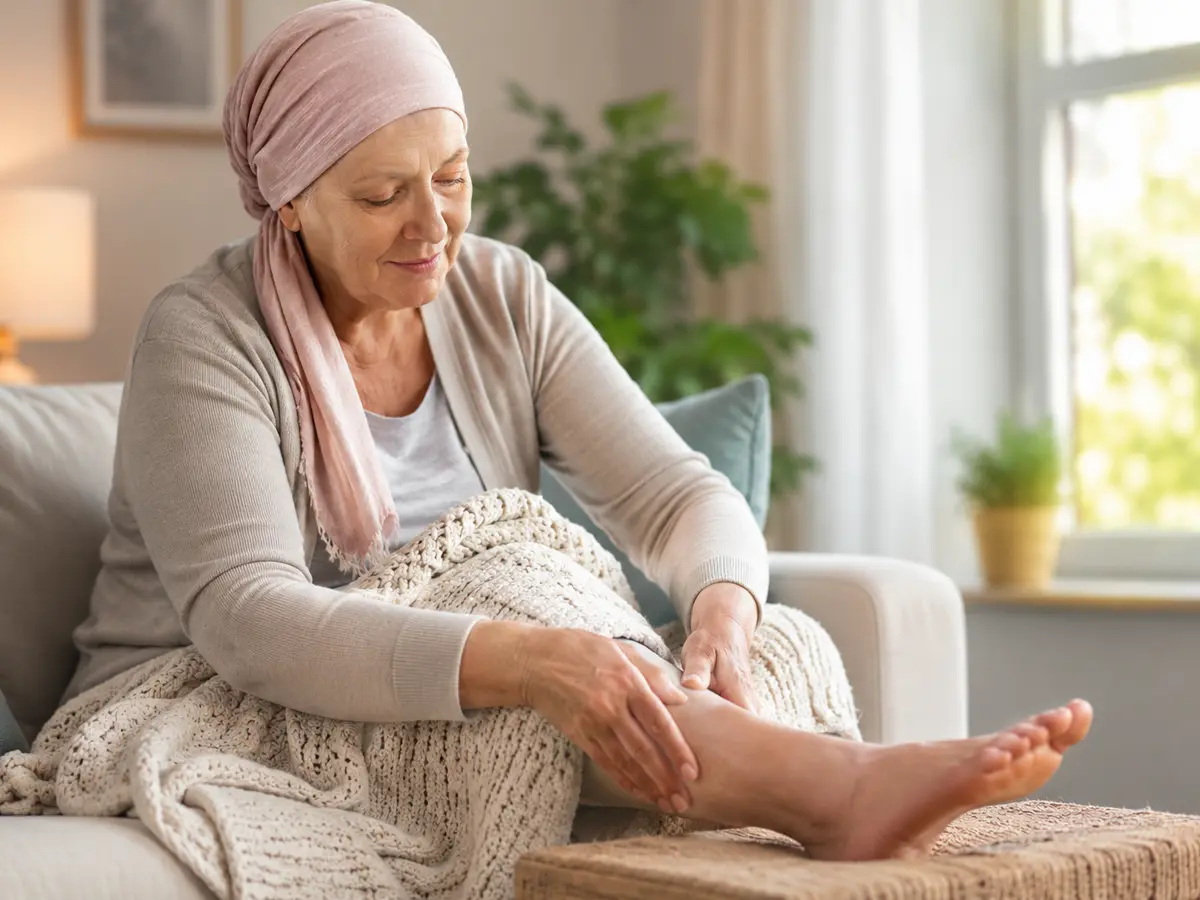
When people search for a swollen ankle best remedy, they usually want an instant fix to get back into their shoes. But ankle swelling—medically known as edema—is a symptom, not a condition by itself. It happens when fluid pools in the lower extremities due to gravity, sluggish circulation, a recent injury, or underlying health factors that change how our bodies manage fluid balance.
Before spending money on supplements, special gear, or complicated routines, it helps to understand the mechanical and behavioral steps that reliably move fluid out of the lower leg. Edema in the ankles is extremely common, particularly as we age and our circulatory systems face daily resistance from gravity.
The Everyday Remedies That Actually Move Fluid
If your swelling is mild, occasional, and related to long periods of sitting, standing, warm weather, or a salty meal, you can usually reduce it with a few free, practical habits that require no special equipment other than a comfortable place to lie down.
- Elevate above the heart: Prop your ankles up on pillows so they sit higher than your chest for 20 minutes several times a day. This lets gravity help drain the pooled fluid back toward your core.
- Activate the calf muscle pump: Your lower leg veins rely on muscle contraction to push blood and lymph upward. Simple ankle rolls, toe points, and seated heel raises every hour make a noticeable difference in how your legs feel by evening.
- Wear graduated compression socks: These apply gentle, targeted pressure to the ankle, encouraging fluid to travel back up toward your torso rather than pooling at the bottom of your legs during long flights or long days at a desk.
Consistency is key with these mechanical remedies. Doing them once a week will offer temporary relief, but integrating ankle pumps and short movement breaks into your daily schedule helps prevent the fluid from accumulating in the first place.
Why Does Ankle Swelling Happen as We Age?
For readers in the 45 to 75 age bracket, swollen ankles become more common for very specific physiological reasons. Our veins contain tiny, delicate one-way valves that work tirelessly to push blood back up to the heart against the constant pull of gravity. Over decades of use, these valves can weaken, leading to what is known as chronic venous insufficiency.
Additionally, the lymphatic system—which is responsible for clearing out excess interstitial fluid from our tissues—can become sluggish due to reduced physical activity, certain prescription medications (such as common blood pressure drugs or calcium channel blockers), or minor circulatory changes. When lymphatic fluid and blood circulation slow down together, puffiness around the ankles is the entirely predictable result.
Understanding this mechanism helps explain why a simple lifestyle adjustment or a supportive botanical supplement often works better than trying to force your body to change overnight. It is about working with your circulatory system rather than fighting it.
Where Targeted Support Fits In
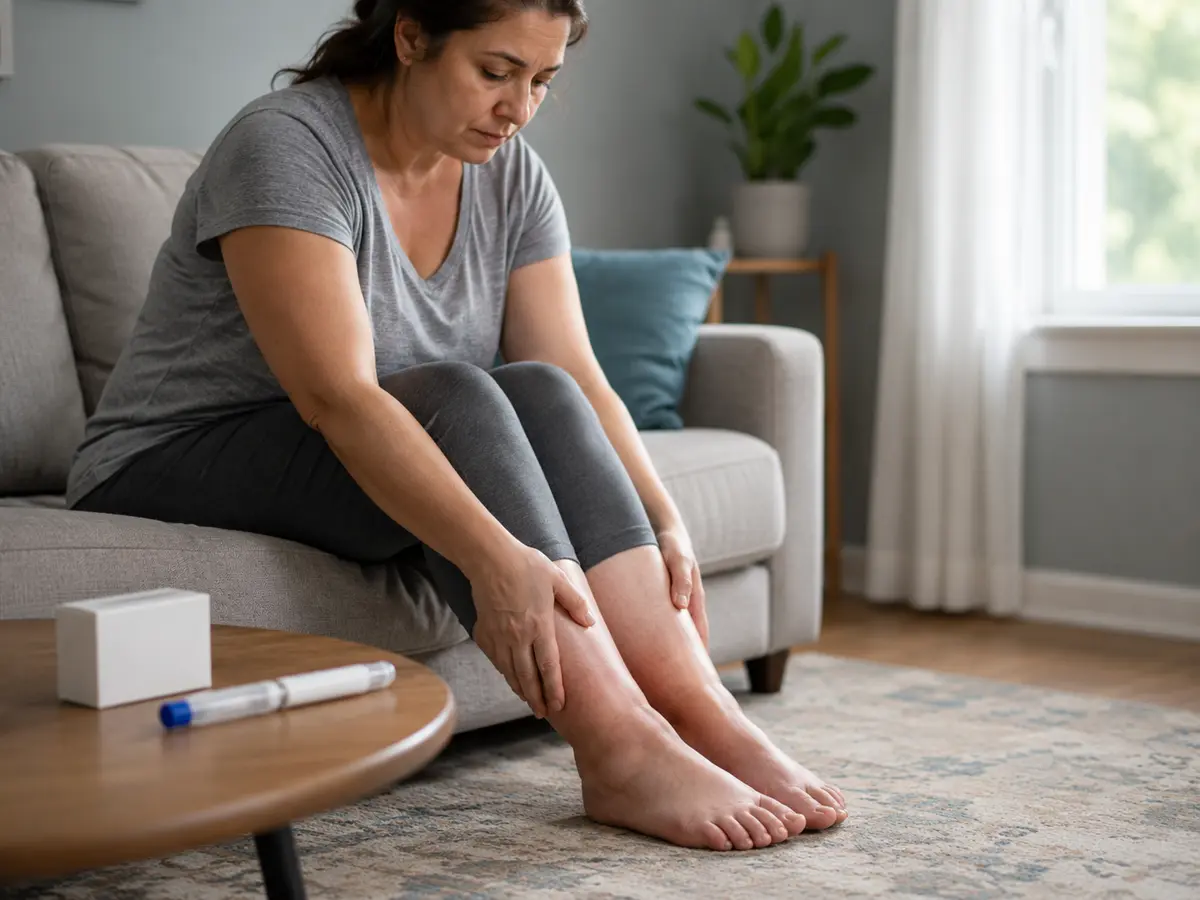
Once you have addressed the daily basics—hydration, movement, compression, and proper elevation habits—some people look for daily nutritional support to keep fluid from accumulating so easily as the day wears on.
This is where herbal and plant-based options enter the conversation. Botanicals like horse chestnut seed extract, butcher's broom, and gotu kola have long histories of traditional use for supporting vein integrity, vascular tone, and microcirculation in the lower legs.
Among liquid formulations designed for this purpose is Linfaflow, a plant-based lymphatic support supplement. Rather than acting as a harsh diuretic that forces your kidneys to flush water from your system, it is formulated with herbal extracts intended to support normal lymphatic drainage and microvascular tone naturally over time.
To be completely realistic and transparent: drops like these are not a replacement for medical compression wear, nor will they instantly reverse a sprained ankle or fix a failing heart valve. They are designed as a daily dietary adjunct for adults dealing with sluggish feeling legs and minor, recurring fluid retention that makes everyday movement uncomfortable.
Supplements can help support the body's natural drainage pathways, but they work best when combined with daily walking, adequate hydration, and proper elevation habits.— Clinical herbalist and educator

Linfaflow offers a plant-based liquid option for supporting everyday lymphatic drainage and circulation in adults dealing with recurring lower leg fluid retention.
- Buy 3, Get 3 Free — Lowest Price Ever$19.99/bottle
- Buy 2, Get 2 Free — Most Popular$29.99/bottle
- Buy 1, Get 1 Free$34.75/bottle
We may earn a commission at no extra cost to you.
Building a Sustainable Routine for Leg Comfort
Finding the swollen ankle best remedy often means building a small, sustainable routine rather than relying on a single magic bullet. If you sit at a desk, a computer, or in an armchair for long stretches during the day, set a gentle timer on your phone to stand up and walk around the room or hallway every forty-five minutes.
Keep a pair of comfortable, graduated compression socks handy for days when you know you will be traveling, standing for family events, or working on your feet for hours. If you choose to try a daily herbal support drop to assist your lymphatic system, give it a few weeks of consistent daily use while tracking your comfort levels in the evening.
By combining mechanical drainage techniques, daily movement to activate your calf muscles, and sensible daily habits, you can dramatically reduce the daily discomfort of swollen ankles and keep yourself moving comfortably through all your favorite activities.