 Wellness Review Labs
 By
By 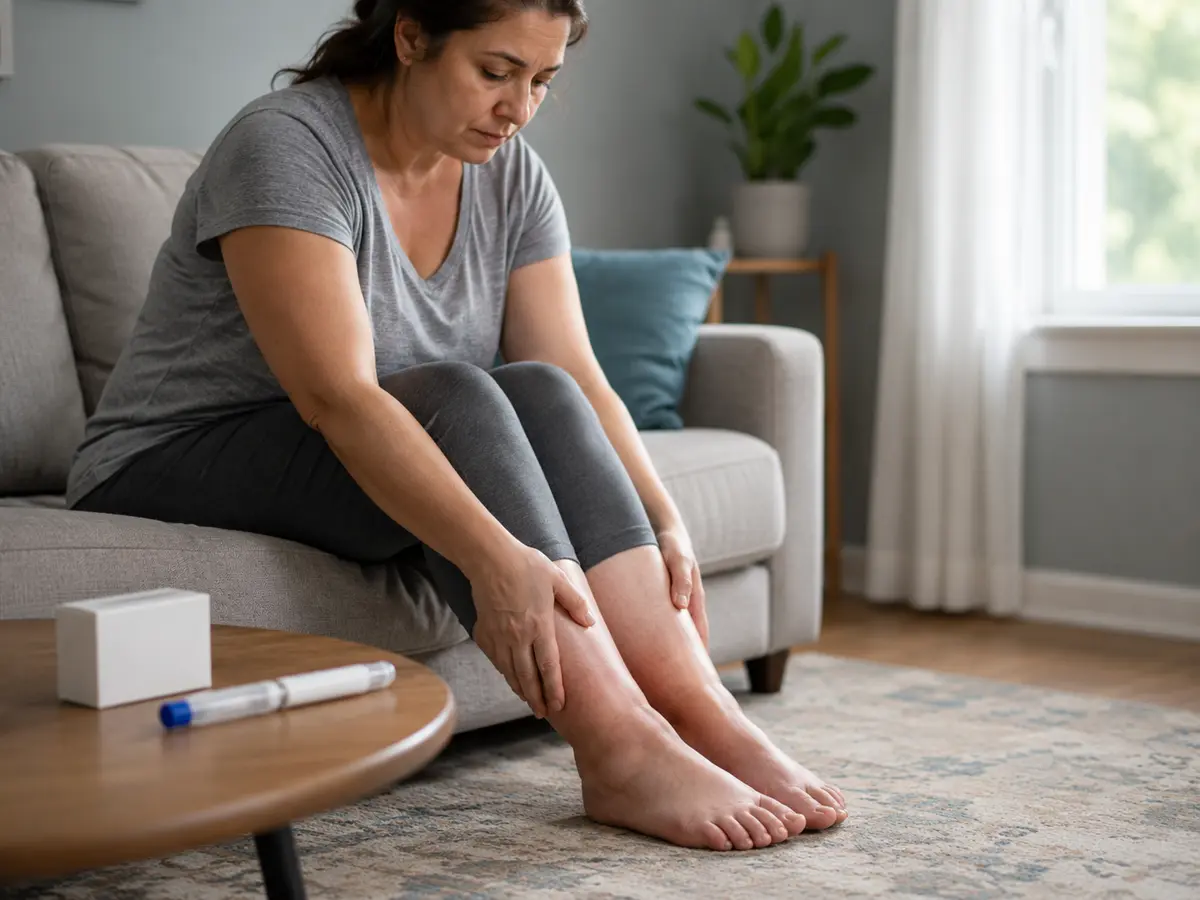
When you're looking for relief, understanding the type of massage that best suits your situation is key. It's not just about feeling good; it's about addressing the root cause of your discomfort. Let's look at how these two popular massage techniques differ.
The Core Difference: Gentle Flow vs. Deep Release
The most fundamental distinction between lymphatic drainage and deep tissue massage lies in their intensity and objective. Lymphatic drainage is incredibly gentle and aims to move fluid. Deep tissue massage is firm and aims to break up muscle adhesions.
Imagine your body's lymphatic system as a delicate network of tiny vessels, much like a secondary circulatory system. It's responsible for collecting waste products, toxins, and excess fluid, and returning them to your bloodstream for elimination. Unlike your blood, which is pumped by your heart, lymph fluid relies on muscle contractions and movement to flow. When this system gets sluggish, you might notice swelling, a feeling of heaviness, or even a weakened immune response.
On the other hand, deep tissue massage targets the deeper layers of muscle and connective tissue. Over time, stress, poor posture, or injury can cause these tissues to develop 'knots' or adhesions. These aren't just uncomfortable; they can restrict movement and cause chronic pain. Deep tissue massage works to physically break down these adhesions, releasing tension and restoring flexibility.
What is Lymphatic Drainage Massage?
Manual Lymphatic Drainage (MLD) is a specialized technique that uses very light, rhythmic, pumping motions. The pressure is so gentle that it barely indents the skin, as the lymphatic vessels are located just beneath the surface. The strokes are directed towards the lymph nodes, which act as filters, to encourage the flow of lymph fluid.
- Technique: Very light, rhythmic, circular, and pumping strokes. Pressure is superficial.
- Goal: To stimulate the natural drainage of lymph, which carries waste products away from the tissues back toward the heart.
- Feeling: Relaxing, often described as a light stroking sensation. It should never be painful.
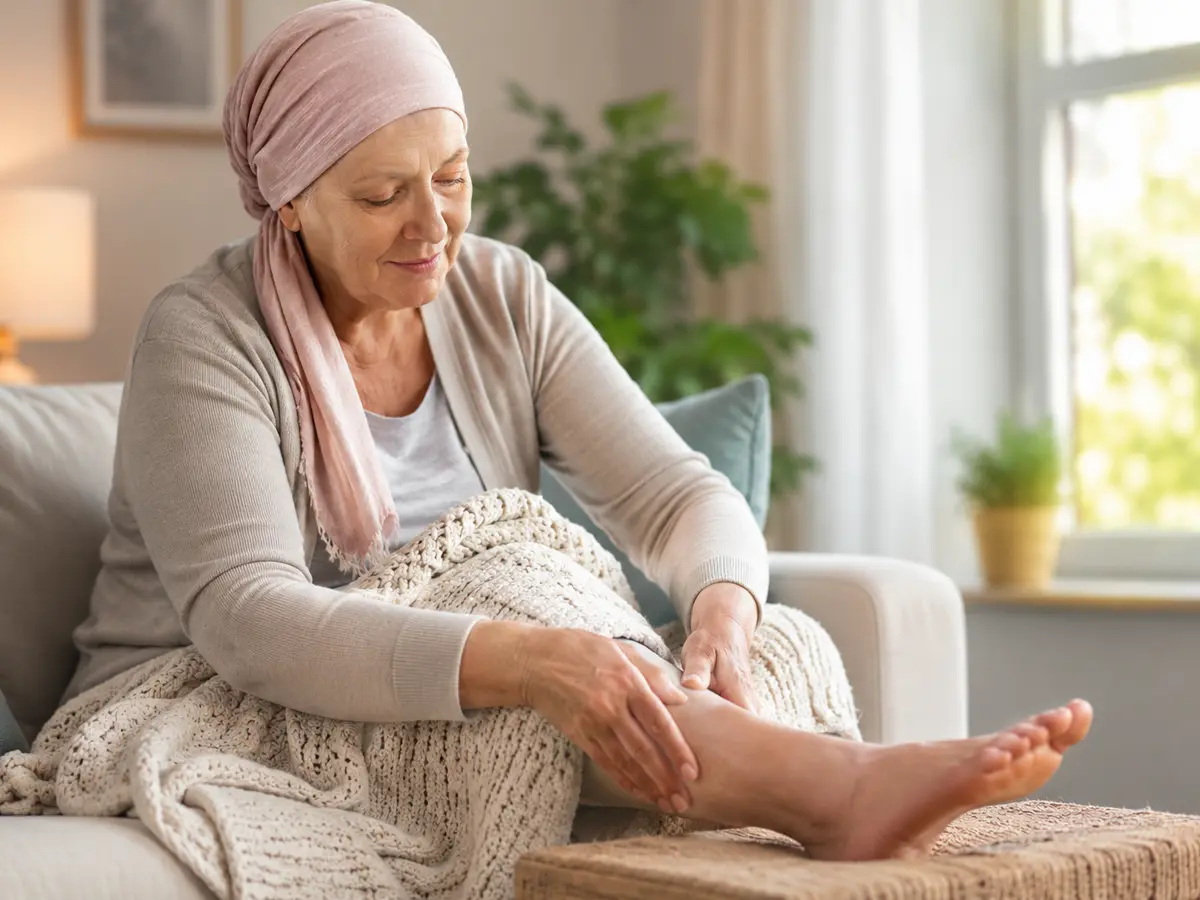
- Common Uses: Reducing swelling (edema), particularly after surgery (like mastectomy), managing lymphedema, aiding recovery from illness, supporting detoxification, and improving skin appearance.
After my knee surgery, I had a lot of swelling. The lymphatic drainage massage felt so light, I almost wondered if it was doing anything. But the next day, the difference in my swelling was really noticeable.— An individual recovering from surgery
Because of its gentle nature, lymphatic drainage is often recommended for sensitive conditions or when deep pressure would be inappropriate. It's a therapeutic approach designed to enhance your body's natural cleansing processes.
What is Deep Tissue Massage?
Deep tissue massage involves applying sustained, firm pressure using slow strokes and deep finger pressure. The therapist targets specific areas of tension and pain, often using knuckles, forearms, and elbows to reach deeper muscle layers. The goal is to release chronic patterns of tension in the body, often in the neck, shoulders, and back.
- Technique: Slow, deliberate strokes with significant pressure. Targets deeper layers of muscle and fascia.
- Goal: To release chronic muscle tension, break down scar tissue and adhesions, and alleviate muscle pain and stiffness.
- Feeling: Can be intense or even slightly uncomfortable at times, but should not be excruciating. There's often a feeling of 'release' afterward.
- Common Uses: Chronic muscle pain, stiff necks, upper back pain, lower back pain, tight hamstrings, recovery from strenuous exercise, and improving posture.
My shoulders always feel like rocks. A deep tissue massage is the only thing that really gets into those knots and helps me loosen up. It hurts a bit during, but I feel so much better afterward.— An individual with chronic shoulder tension
Deep tissue massage is best suited for individuals experiencing persistent muscle pain, stiffness, or limited range of motion due to muscular issues. It's often part of a treatment plan for injuries or chronic conditions that affect mobility.
Which One is Right for You?
Choosing between lymphatic drainage and deep tissue massage comes down to what your body needs at that moment.
- Choose Lymphatic Drainage if you are experiencing: Swelling (edema), post-surgical recovery, lymphedema, a weakened immune system, general sluggishness, or want to support your body's natural detoxification processes. It's also very relaxing and can help reduce stress.
- Choose Deep Tissue Massage if you are experiencing: Chronic muscle pain, muscle knots, stiffness, limited range of motion, recovery from intense exercise, or have specific areas of deep muscle tension.
It's important to communicate with your therapist about your symptoms and goals. A skilled massage therapist can help you determine the most appropriate technique or even combine elements if suitable for your condition. For example, some people might benefit from a deep tissue massage to address muscle knots, followed by gentle lymphatic work to reduce any resulting inflammation.
Beyond Massage: Everyday Support for Your Lymphatic System
While professional massages can be incredibly beneficial, there are many simple, free things you can do daily to support your lymphatic system. Remember, your lymph system doesn't have a pump, so it relies on your movement.
- Movement: Regular, gentle exercise like walking, swimming, yoga, or rebounding (jumping on a mini-trampoline) helps pump lymph fluid. Even light stretching throughout the day can make a difference.
- Hydration: Drinking plenty of water is crucial for keeping lymph fluid flowing smoothly. Dehydration can make it thicker and harder to move.
- Deep Breathing: The diaphragm's movement during deep abdominal breathing acts like a pump for the thoracic duct, a major lymphatic vessel.
- Dry Brushing: Using a soft-bristled brush on dry skin in upward strokes towards your heart can gently stimulate lymphatic flow. Do this before showering.
- Elevation: If you have swelling in your legs or feet, elevating them above your heart can help gravity assist lymph drainage.
- Loose Clothing: Avoid tight clothing or undergarments that can restrict lymph flow, especially around the groin and armpits where lymph nodes are concentrated.
These lifestyle adjustments can work synergistically with treatments like lymphatic drainage massage to keep your system healthy and reduce the burden on your body.
Considering Nutritional Support for Lymphatic Health
While massages and lifestyle changes are direct ways to support your body, some people also look to nutritional approaches. Certain plant extracts are believed to support the lymphatic system by promoting healthy circulation and encouraging fluid balance. For instance, ingredients like those found in Linfaflow, which include things like Butcher's Broom, Dandelion, and Ginger, are traditionally used to support healthy blood flow and reduce occasional water retention, which can indirectly aid lymphatic function.
It's important to understand that a product like Linfaflow is designed to complement a healthy lifestyle, not replace professional medical advice or treatments for conditions like lymphedema. It aims to provide botanical support for your body's natural processes, offering a gentle way to encourage overall wellness and fluid balance.
The Verdict
Linfaflow is a supplement designed to support lymphatic function and may help manage swelling, offering a complementary approach to the hands-on therapies discussed. While it won't replace the direct benefits of massage, it could be a worthwhile consideration for those looking for internal support alongside or instead of physical interventions.
Who This Is For — And Who It Is Not
- Individuals seeking to support their lymphatic system from within.
- Those experiencing mild, non-medical swelling or fluid retention.
- People looking for a complementary approach to lymphatic health.
- Anyone interested in a supplement with a 90-day money-back guarantee.
- Anyone with significant or unexplained swelling; consult a doctor first.
- Individuals expecting immediate or dramatic changes in lymphatic function or swelling.
- Those who believe this product can replace prescribed medications or medical treatment.
- People seeking a direct alternative to deep tissue or lymphatic drainage massage for therapeutic purposes.
What We Could Not Verify
We say this plainly because most pages in this category do not. Here is what we could not independently confirm about Linfaflow:
- The specific ingredients or proprietary blend used in Linfaflow.
- Independent studies or clinical trials directly on the Linfaflow product.
- The specific mechanisms by which Linfaflow supports lymphatic function.

Linfaflow offers a plant-based liquid drop solution designed to support healthy lymphatic function and fluid balance, complementing the benefits of lymphatic drainage techniques and lifestyle changes.
- Buy 3, Get 3 Free — Lowest Price Ever$19.99/bottle
- Buy 2, Get 2 Free — Most Popular$29.99/bottle
- Buy 1, Get 1 Free$34.75/bottle
We may earn a commission at no extra cost to you.