 Wellness Review Labs
 By
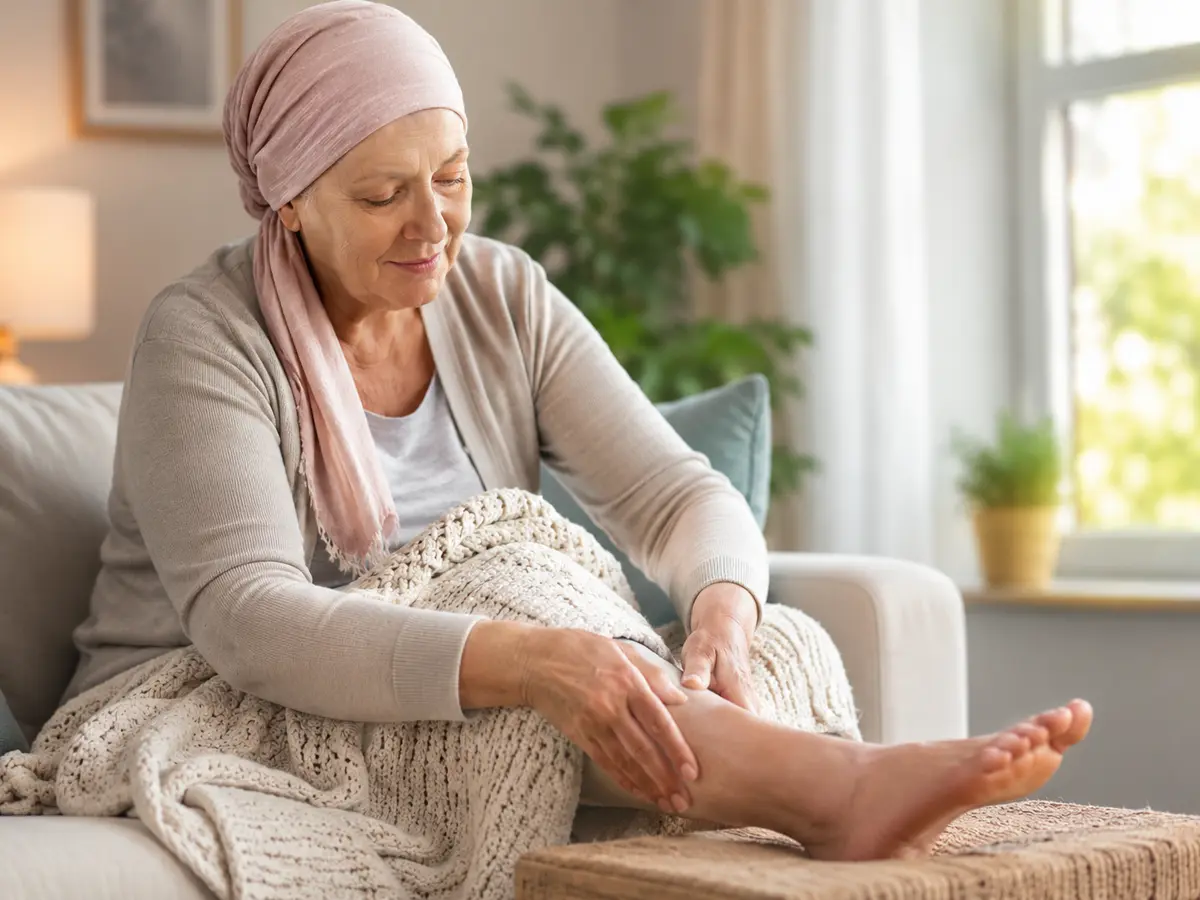
Let us answer your main question right away: Sometimes swollen ankles are harmless, but they can be a warning sign of a serious condition. The level of danger depends entirely on how the swelling starts, whether it affects one leg or both, and what other symptoms accompany it. For adults aged 45 to 75, fluid retention in the lower extremities becomes increasingly common. Understanding why it happens is the first step toward managing it safely and maintaining your daily mobility without unnecessary worry.
When you wake up in the morning, your ankles may look normal, only for the puffiness to return by late afternoon. This daily rhythm is a classic clue about how your body handles fluid against the pull of gravity. Paying close attention to these patterns helps you have more productive conversations with your healthcare provider.
Why Ankles Swell as We Age
As we get older, our circulatory and lymphatic systems naturally lose some of their youthful efficiency. The tiny valves inside our leg veins—which are responsible for pushing blood and fluid back up toward the heart against gravity—may weaken over decades of use. When these valves become less effective, fluid can pool in the lowest parts of our body, namely the feet, ankles, and calves.
Additionally, lifestyle factors play a major role in this process. Sitting for long hours on an airplane, driving long distances, or sitting at a desk all day reduces the pumping action of your leg muscles. Furthermore, eating a diet high in sodium, or taking certain prescription medications (such as blood pressure drugs, calcium channel blockers, or hormone therapies) can all contribute to temporary fluid buildup in the lower extremities.
The lymphatic system also plays a vital role here. Unlike the circulatory system, which has the heart to pump blood, the lymphatic system relies almost entirely on your physical movement and breathing to circulate lymph fluid. When activity levels drop, lymph fluid can accumulate, contributing further to that heavy, swollen feeling in the lower legs.
Harmless Causes vs. Red Flag Symptoms
To figure out where your situation falls, doctors typically look at how the swelling behaves and what other signs are present. Learning to evaluate your own symptoms can help you determine whether you need a routine check-up or urgent medical attention.
- Bilateral vs. Unilateral: Swelling in both ankles is very common and frequently linked to circulation, diet, or standing for long periods. Sudden swelling in only one ankle or leg is much less common and can indicate a localized issue like a deep vein thrombosis (DVT) or an injury.
- Pitting vs. Non-pitting: If you press your thumb into the swollen area for five seconds and it leaves an indentation that stays for a moment, that is called pitting edema. It is a classic sign of excess fluid accumulation in the tissues.
- Associated Symptoms: Swelling accompanied by shortness of breath, chest pain, rapid weight gain, or extreme fatigue demands an immediate call to your doctor or emergency services, as it may relate to heart, liver, or kidney function.
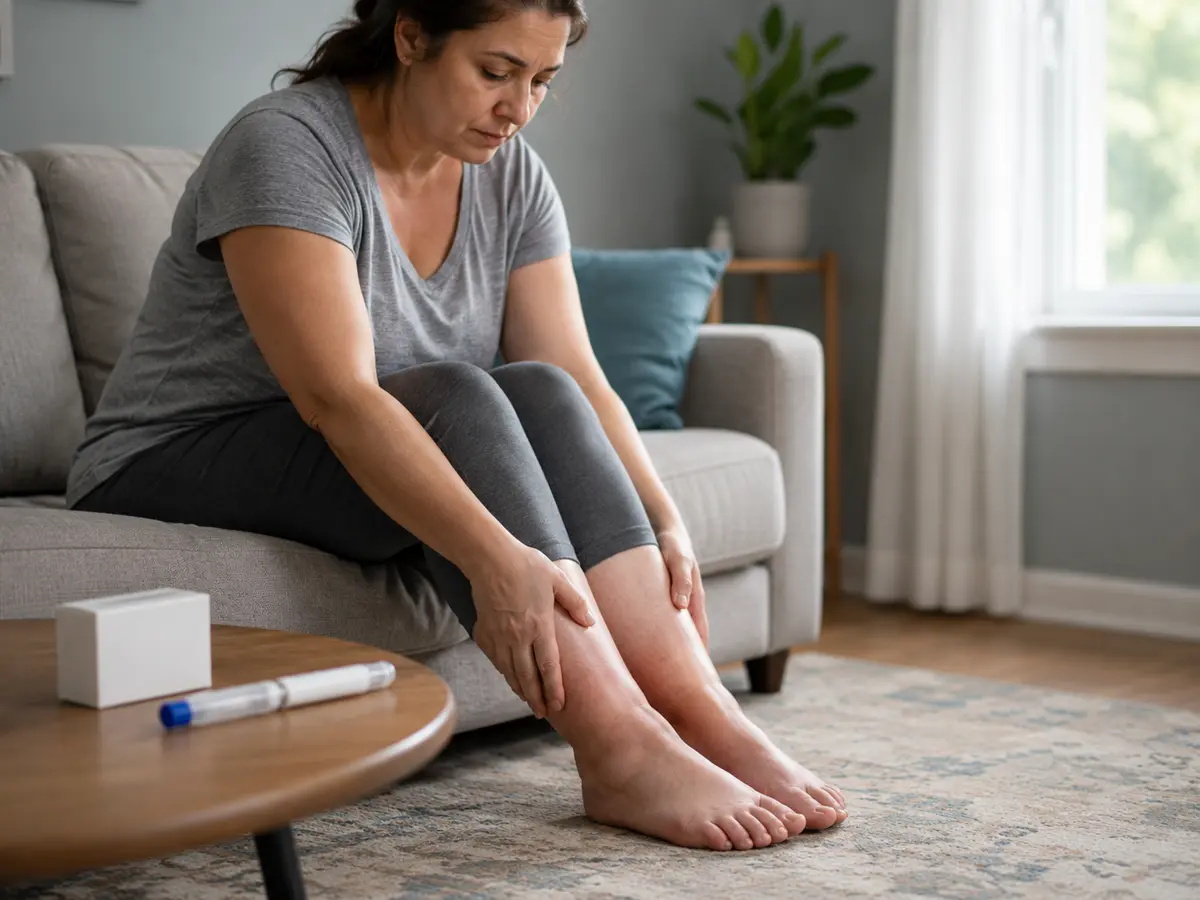
Everyday Ways to Support Healthy Circulation
Before turning to supplements or medications, several safe, everyday strategies can help keep fluid moving naturally through your lower legs. These behavioral adjustments cost nothing and can be integrated into your routine immediately.
- Elevate Your Legs: Raise your feet above the level of your heart for 15 to 20 minutes two or three times a day to let gravity help drain the accumulated fluid back toward your core.
- Keep Moving: Regular walking engages your calf muscles, which act as a natural pump to push blood and lymphatic fluid upward against gravity.
- Watch Your Salt Intake: Excess dietary sodium causes your body to hold onto extra water to maintain balance, which directly worsens ankle swelling.
- Consider Compression Socks: Gentle, graduated compression stockings can physically support vein walls and prevent fluid from pooling in the lower legs during long periods of sitting or standing.
Consistency is key with these habits. Doing them once a week will offer temporary relief, but building them into your daily schedule provides sustained support for your veins and lymphatic vessels.
Exploring Targeted Support Options
For individuals looking for extra support alongside lifestyle changes, various wellness products focus on promoting fluid balance and lymphatic drainage. Among these is Linfaflow, a plant-based lymphatic support liquid drop formulated to help promote healthy fluid movement.
Linfaflow uses natural botanical ingredients designed to support the body's natural drainage pathways. It is intended as a gentle, daily addition for adults who experience mild, occasional fluid retention due to travel, standing, or normal aging. It is not a replacement for medical treatment of underlying conditions like heart or kidney disease, but it can serve as a supportive tool for everyday comfort.
When choosing a supplement to support circulation or fluid balance, look for transparent labeling and realistic expectations. Botanical drops work best when combined with adequate hydration, low sodium intake, and regular physical activity.
My doctor ruled out anything serious, but my legs still felt heavy by afternoon. Adding daily walks and a gentle herbal support supplement helped me feel much lighter on my feet.— Reader from Ohio (age 61)
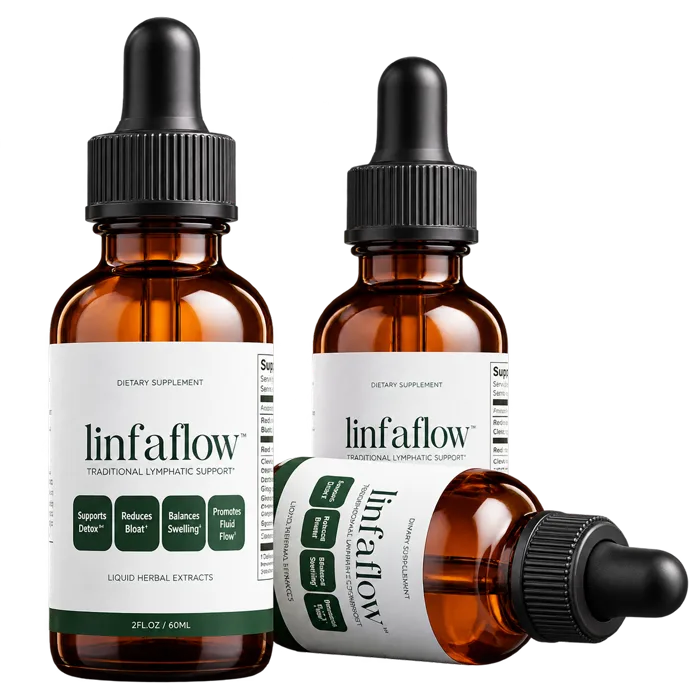
Linfaflow provides plant-based liquid drops designed to support the lymphatic system and healthy fluid balance for those dealing with everyday ankle and leg heaviness.
- Buy 3, Get 3 Free — Lowest Price Ever$19.99/bottle
- Buy 2, Get 2 Free — Most Popular$29.99/bottle
- Buy 1, Get 1 Free$34.75/bottle
We may earn a commission at no extra cost to you.