 Wellness Review Labs
 By
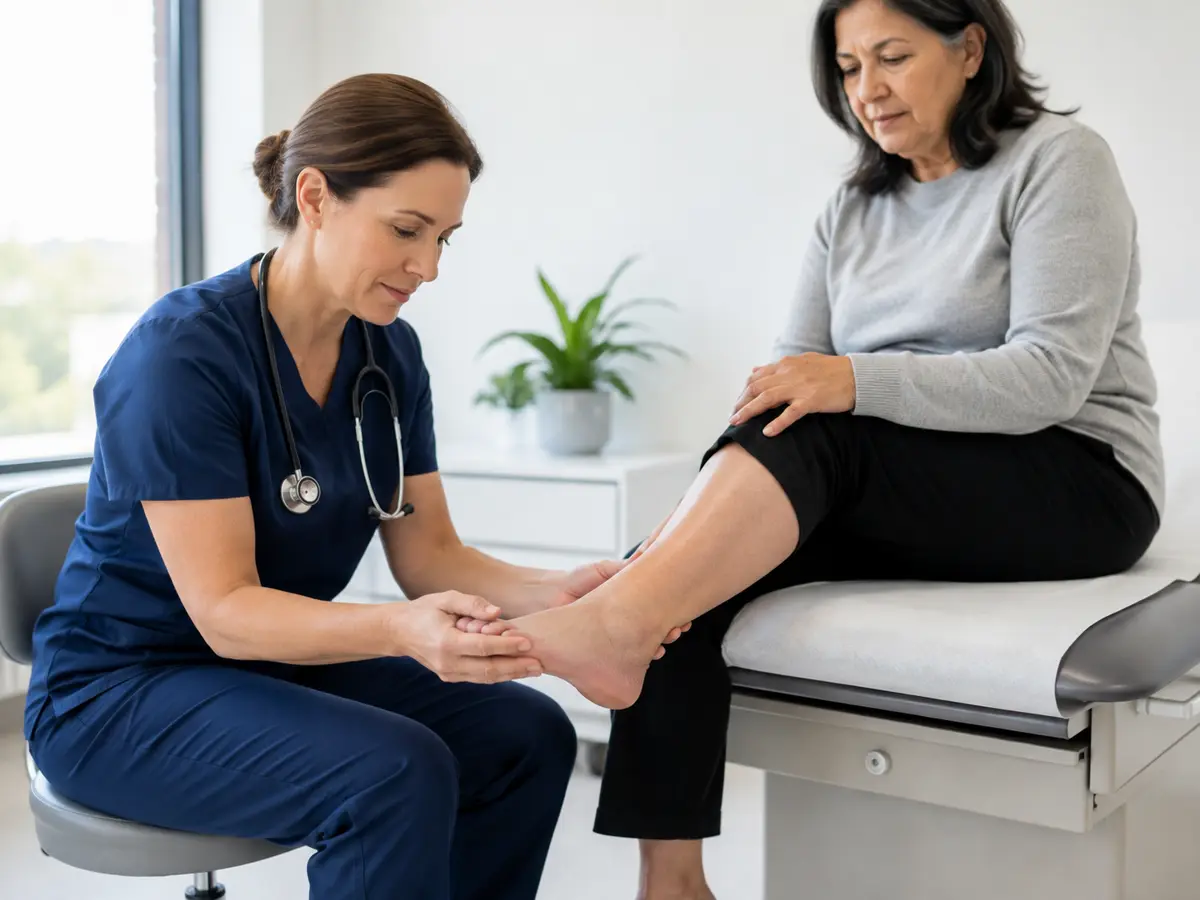
When people ask how swollen ankles look, they are usually trying to figure out if what they are seeing in the mirror is normal aging, the result of a long day on their feet, or a sign of an underlying health issue. The visual presentation can range from a subtle smoothing of the skin to a dramatic, taut expansion of the lower leg that makes your usual footwear feel uncomfortably tight by late afternoon.
As we age, our circulatory and lymphatic systems do not pump fluid quite as efficiently as they once did. Gravity pulls moisture downward throughout the day, and when the tiny one-way valves in our veins get tired, that fluid can struggle to make the return journey back up toward the heart. This mechanical reality is what ultimately creates the physical changes we see around the lower extremities.
The Visual Signs: What Swollen Ankles Actually Look Like
Healthy ankles have distinct anatomical features that are easy to spot when your circulation is balanced. You can easily find the bony bumps known as the malleoli on the inner and outer sides of the joint, and the skin usually maintains a soft, flexible texture. When excess fluid accumulates in the interstitial spaces of the lower extremities, the visual appearance changes in predictable ways:
- Loss of definition: The sharp angles and bony landmarks around the ankle bone seem to disappear entirely, replaced by a smooth, rounded contour that bridges the foot and the lower calf.
- Puffiness that spreads: The swelling often starts right at the ankle line but can creep upward toward the calf or downward onto the top of the foot, sometimes making the feet look pillow-like.
- Tight, shiny skin: As fluid stretches the skin from the inside, the surface may look glossy, taut, or slightly pale because the blood vessels are compressed beneath the surface.
- Sock rings: Elastic bands from socks, slippers, or trousers leave deep, slow-to-fade indentations long after you take them off, marking the exact boundary where pressure was applied.
The Finger Test: Understanding Pitting Edema
Doctors, nurses, and physical therapists often use a simple visual and tactile assessment called 'pitting' to categorize the type of swelling present. If you want to understand what is happening beneath your skin at home, you can perform a gentle version of this test by pressing your thumb firmly against your swollen ankle for about five seconds and then releasing.
If the skin bounces right back immediately without leaving a trace, it is typically classified as non-pitting edema. However, if pressing leaves a visible dimple, depression, or pit that takes several seconds to fill back in and return to normal, it is categorized as pitting edema. Pitting edema is the classic visual sign that excess watery fluid is trapped in the surrounding tissues, often heavily influenced by gravity, long periods of sitting at a desk or in a car, or mild changes in venous pressure.
One Leg vs. Two Legs: A Crucial Distinction
How swollen ankles look is certainly important for understanding your physical state, but where they look swollen matters even more for your safety. Swelling that affects both ankles roughly equally—bilateral swelling—is very common as we age. It is frequently tied to harmless lifestyle factors, warm summer weather, a diet high in sodium, or minor sluggishness in how the lower body circulates fluid back upward.
On the other hand, if only one ankle and calf swells up suddenly, looks red, feels warm to the touch, or causes sharp, localized pain, that is an entirely different scenario. As organizations like the Mayo Clinic point out, asymmetric swelling requires prompt medical assessment to rule out conditions like a deep vein thrombosis (DVT) or localized injury that requires professional care rather than home remedies.
Everyday Habits That Help Manage Mild Ankle Puffiness
If your doctor has checked you over and confirmed that your ankle swelling is benign and simply related to everyday fluid pooling from a sedentary lifestyle or long hours standing, you do not have to simply live with the discomfort and tightness. Several straightforward, non-invasive strategies can help encourage normal fluid return and bring a sense of lightness back to your lower legs:
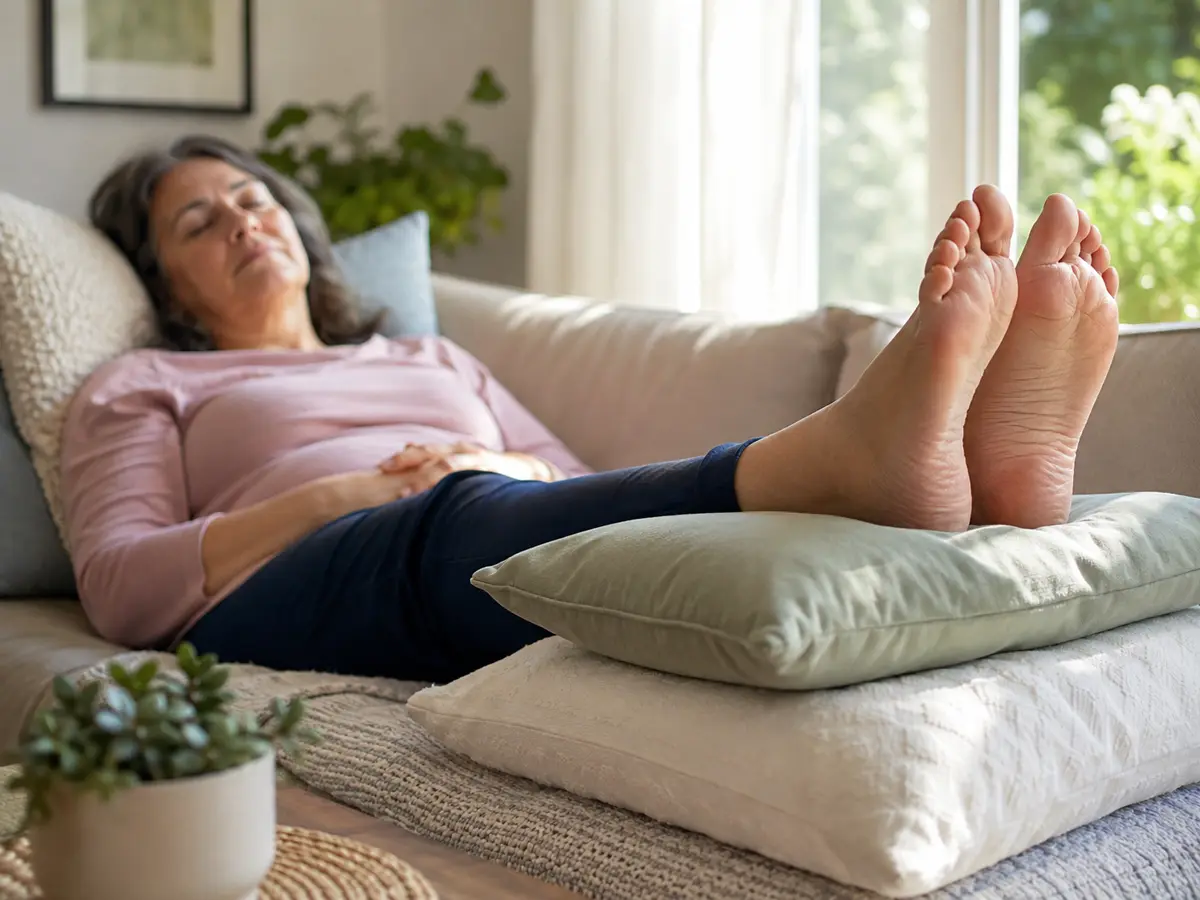
- Elevate your legs: Prop your feet up above the level of your heart using a stack of pillows for 15 to 20 minutes a few times a day to let gravity help drain pooled fluid away from the ankles.
- Keep moving: Simple ankle rolls, toe flexes, and short walks activate the calf muscles, which act as a powerful natural pump for your veins and lymphatic vessels.
- Stay hydrated: It sounds counterintuitive when you are holding onto water, but drinking plenty of plain water actually prevents your body from panicking and hoarding retained fluid.
- Consider compression socks: Graduated support stockings apply gentle, even pressure to the lower leg, keeping fluid from settling around the ankles in the first place during long days.
Plant-Based Support for Fluid Balance
In addition to foundational lifestyle habits, some adults explore targeted botanical supplements designed to support healthy circulation and fluid drainage in the lower limbs. Formulas like Linfaflow use plant extracts—such as horse chestnut seed and butcher's broom—traditionally used to promote normal lymphatic flow and ease occasional feelings of heaviness in the legs. While these liquid drops do not replace medical treatment or cure chronic conditions, they can be a useful addition to a daily routine focused on leg comfort.
Starting at $19.99 and backed by a 90-day money-back guarantee, it is an option worth discussing with your healthcare provider if you are looking for natural support to complement your daily walking and elevation habits. Consistency is key with herbal liquids, and giving your body gentle botanical reinforcement can make those long afternoons on your feet feel much more manageable.
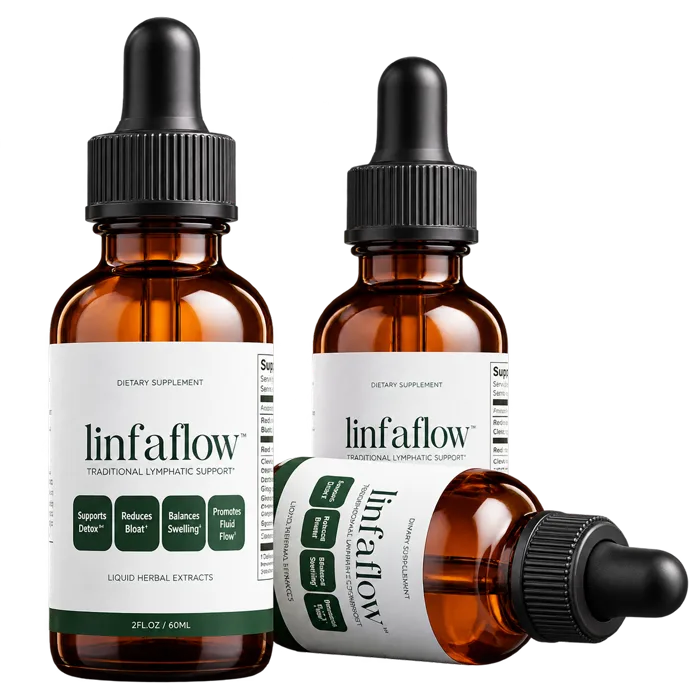
Linfaflow offers plant-based liquid drops designed to support healthy lymphatic circulation and ease the heavy, puffy feeling in the lower legs.
- Buy 3, Get 3 Free — Lowest Price Ever$19.99/bottle
- Buy 2, Get 2 Free — Most Popular$29.99/bottle
- Buy 1, Get 1 Free$34.75/bottle
We may earn a commission at no extra cost to you.