 Wellness Review Labs
 By

Does Glucosamine Work for Joint Pain? The Direct Answer
The short answer is: glucosamine may provide mild to moderate relief for some individuals, but it is not a guaranteed fix for everyone. Clinical trials conducted over the past several decades show inconsistent results. While some patients report less daily stiffness and improved mobility, large rigorous studies show that glucosamine is often only slightly more effective than a placebo.
Glucosamine is a natural compound found in healthy cartilage—the rubbery tissue that cushions your joints. As we age, cartilage naturally wears down, leading to friction, stiffness, and discomfort. Supplementing with glucosamine aims to provide the raw building blocks needed to support joint structure, but how well your body absorbs and utilizes it varies greatly.
Glucosamine Sulfate vs. Hydrochloride: Why the Form Matters
When shopping for joint supplements, you will primary notice two forms: glucosamine sulfate and glucosamine hydrochloride. Understanding the difference between them is critical when evaluating the research.
- Glucosamine Sulfate: Most clinical studies showing positive outcomes utilized the sulfate form. Researchers suggest that sulfur is essential for building and repairing cartilage matrix tissue.
- Glucosamine Hydrochloride: While widely available, major clinical trials evaluating glucosamine hydrochloride have generally failed to show significant benefits over a placebo for knee or hip joint pain.

Everyday Lifestyle Habits That Support Joint Flexibility
Whether or not you choose to take glucosamine, dietary supplements are only one tool in your wellness toolkit. Daily physical habits have a profound, proven impact on joint health and mobility as you age.
- Maintain low-impact movement: Swimming, stationary cycling, and daily brisk walking help lubricate joint tissue without placing heavy impact on your knees and hips.
- Strengthen supporting muscles: Targeted exercises for your quadriceps and hamstrings help take physical load off the knee joint itself.
- Manage daily body weight: Every additional pound of weight adds roughly four pounds of physical pressure across the knees during daily activity.
- Focus on anti-inflammatory nutrition: Incorporating omega-3 rich foods, leafy greens, and antioxidant-rich berries helps support healthy inflammatory response pathways.
Is It Joint Cartilage Wear or Nerve Discomfort?
Many adults over 50 assume that aching knees or uncomfortable hands stem purely from wear-and-tear on cartilage. However, joint stiffness and nerve discomfort frequently happen together—or are easily confused for one another.
While cartilage wear usually causes a mechanical, dull ache that worsens with heavy movement, nerve discomfort presents differently. Common signs of peripheral nerve irritation include burning feelings, tingling, a 'pins and needles' sensation, or numbness in the hands and feet.
Glucosamine is specifically designed to support cartilage tissue. If your daily discomfort includes tingling, burning, or nerve sensitivity in your hands or feet, standard joint supplements are unlikely to address the root of what you are feeling.— Editorial Review Board Note
A Targeted Option: Nerve Relief Protocol Gummies
For individuals whose daily discomfort involves nerve irritation alongside general joint stiffness, a specialized approach may be helpful. Nerve Relief Protocol is designed specifically to support healthy nerve function and promote overall routine comfort.
Unlike traditional pills or large swallowing capsules, this formula comes as convenient, chewable gummies (30 gummies per bottle). It blends key nutrients that work together to help maintain nerve wellness and daily ease:
- Ashwagandha: An adaptogenic herb studied for its ability to help maintain healthy cellular communication and ease stress on nerve tissues.
- Vitamin D3: A crucial vitamin that supports neuromuscular health, muscular balance, and overall bone integrity.
- Zinc: An essential trace mineral involved in antioxidant defense and vital cellular repair mechanisms throughout the nervous system.
Nerve Relief Protocol is manufactured in the USA in a certified GMP facility using Non-GMO ingredients. It is formulated as a daily addition to a balanced health strategy.
What it does: Helps support healthy nerve function, promotes routine comfort in aching hands and feet, and supports everyday mobility.
What it does not do: It is not a cure for chronic joint disease, will not repair severe structural cartilage loss, and is not a prescription treatment for neuropathy.
The formula is offered in 2-, 3-, and 6-bottle packages. You can review current package pricing on their official webpage, and all purchases are backed by a standard 60-day money-back guarantee.
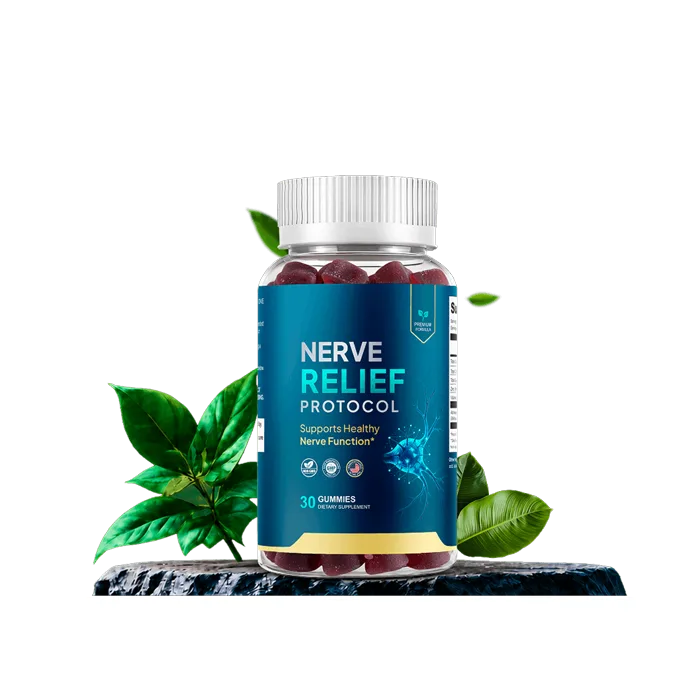
Nerve Relief Protocol provides chewable gummies with ashwagandha, zinc, and vitamin D3 to help support healthy nerve function for individuals dealing with combined joint stiffness and peripheral nerve discomfort.
- 6-Bottle Package — Lowest Price Per Bottlebest value/bottle
- 3-Bottle Package — Most Popularmost popular/bottle
- 2-Bottle Packagestarter/bottle
We may earn a commission at no extra cost to you.
When to Get Symptoms Evaluated by a Doctor
While minor morning tightness can often be managed with exercise and lifestyle habits, persistent or worsening joint and nerve discomfort requires professional medical assessment.
Never rely on dietary supplements as a substitute for official medical diagnosis, prescribed therapies, or urgent clinical care.