 Wellness Review Labs
 By

When your knees ache, food is rarely the first thing you think of as a remedy. Yet, what is on your plate directly affects the inflammatory pathways in your body. Chronic, low-grade inflammation can make joint tissues more sensitive and stiff, turning a routine walk into a painful reminder of age or past injuries. Understanding how nutrition interacts with your musculoskeletal system empowers you to make daily choices that actively support your physical comfort without complicated meal plans or restrictive diets.
For many adults in their middle and later years, morning stiffness in the knees is a familiar companion. While wear and tear over decades contributes to this discomfort, the biochemical environment inside your body determines how intensely you feel it. Eating with joint health in mind is not about finding a single miracle ingredient. Instead, it is about shifting your overall eating pattern to reduce internal friction and support the natural repair processes of cartilage, tendons, and surrounding nerves.
Why Diet Matters for Knee Comfort
The cartilage inside your knee joint depends on a steady supply of nutrients to maintain its cushioning ability. Because cartilage does not have its own direct blood supply, it relies on the surrounding synovial fluid to absorb nutrients and clear away metabolic waste. When your diet consists heavily of refined sugars, highly processed vegetable oils, and trans fats, it can trigger inflammatory responses that alter the quality of that fluid and exacerbate joint discomfort.
Conversely, incorporating specific whole foods provides the building blocks your body needs to support healthy joint function. Antioxidants neutralize free radicals that damage cells, while healthy fats help modulate the immune responses that lead to swelling and stiffness. Over weeks and months, making these dietary adjustments helps create an internal environment where your knees feel more resilient during daily activities like gardening, climbing stairs, or taking a neighborhood walk.
Top Foods to Include in Your Daily Routine
- Fatty Fish: Salmon, mackerel, and sardines are rich in omega-3 fatty acids, which help modulate inflammatory markers in the body and support overall joint mobility.
- Leafy Greens: Spinach, kale, and collard greens are packed with vitamins C and K, which are essential for cartilage maintenance and supporting bone strength around the knee joint.
- Berries and Cherries: These colorful fruits contain potent anthocyanins that give them their rich pigment while offering robust antioxidant support for overworked joints.
- Nuts and Seeds: Walnuts, chia seeds, and flaxseeds offer plant-based omega-3s and healthy fats that support overall mobility and help maintain smooth joint operation.
- Extra Virgin Olive Oil: Contains oleocanthal, a natural compound that shares anti-inflammatory properties similar to conventional over-the-counter comfort aids.

Simple Habits That Complement Your Diet
Eating well is a powerful foundation, but it works best when paired with everyday joint-friendly habits. Staying adequately hydrated is crucial because synovial fluid, which lubricates the knee joint, is mostly water. When you do not drink enough fluids throughout the day, the viscosity of that lubricating fluid can change, leading to increased friction and stiffness when you bend or straighten your leg.
In addition to hydration, gentle and consistent movement is vital. Cartilage acts much like a sponge; it requires mechanical motion to squeeze out used fluid and absorb fresh nutrients from the surrounding joint capsule. Low-impact activities like swimming, stationary cycling, or gentle water aerobics help circulate that fluid without putting excessive compression or shock on the knee joint cartilage. Finding a sustainable balance between rest and gentle motion prevents joints from seizing up while protecting them from overload.
Making small, sustainable adjustments to my daily meals made a noticeable difference in how my knees felt after gardening or walking.— Reader from Ohio (Age 58)
Bridging Nutritional Gaps with Targeted Support
Even with a well-balanced diet focused on whole foods, getting consistent amounts of every single nutrient that supports joint and nerve comfort can be challenging amidst a busy schedule. This is where targeted formulas can be a helpful addition to your routine. One option we look at is Nerve Relief Protocol, a chewable gummy designed to support healthy nerve function and everyday comfort in areas like the knees, hands, and feet.
The formula includes ingredients like vitamin D3, zinc, and ashwagandha, manufactured in a GMP facility in the USA as a non-GMO product. It comes in a convenient chewable gummy format—not a capsule, pill, or tablet. It is sold in flexible 2-, 3-, and 6-bottle packages at current package pricing, and is backed by a 60-day money-back guarantee so you have ample time to see how it fits into your daily wellness plan.
To be completely clear, a supplement like this is designed to support your daily wellness, not to cure or treat joint disease. If your knee pain stems from an underlying medical condition, a nutritional supplement will not replace proper medical care. Always discuss new additions to your supplement routine with your primary care provider, especially if you take other daily medications.
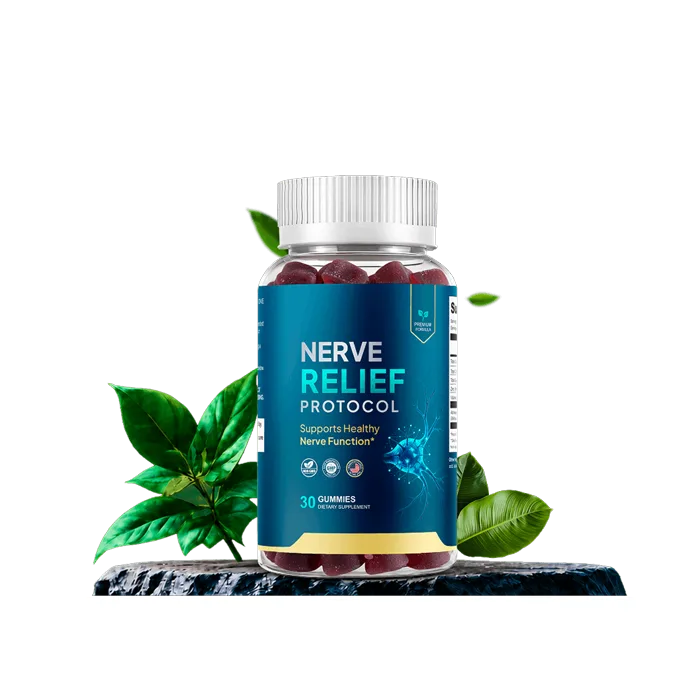
Nerve Relief Protocol provides targeted nutritional support with vitamin D3, zinc, and ashwagandha in a convenient gummy format to help complement an anti-inflammatory diet for daily joint and nerve comfort.
- 6-Bottle Package — Lowest Price Per Bottlebest value/bottle
- 3-Bottle Package — Most Popularmost popular/bottle
- 2-Bottle Packagestarter/bottle
We may earn a commission at no extra cost to you.