 Wellness Review Labs
 By
By 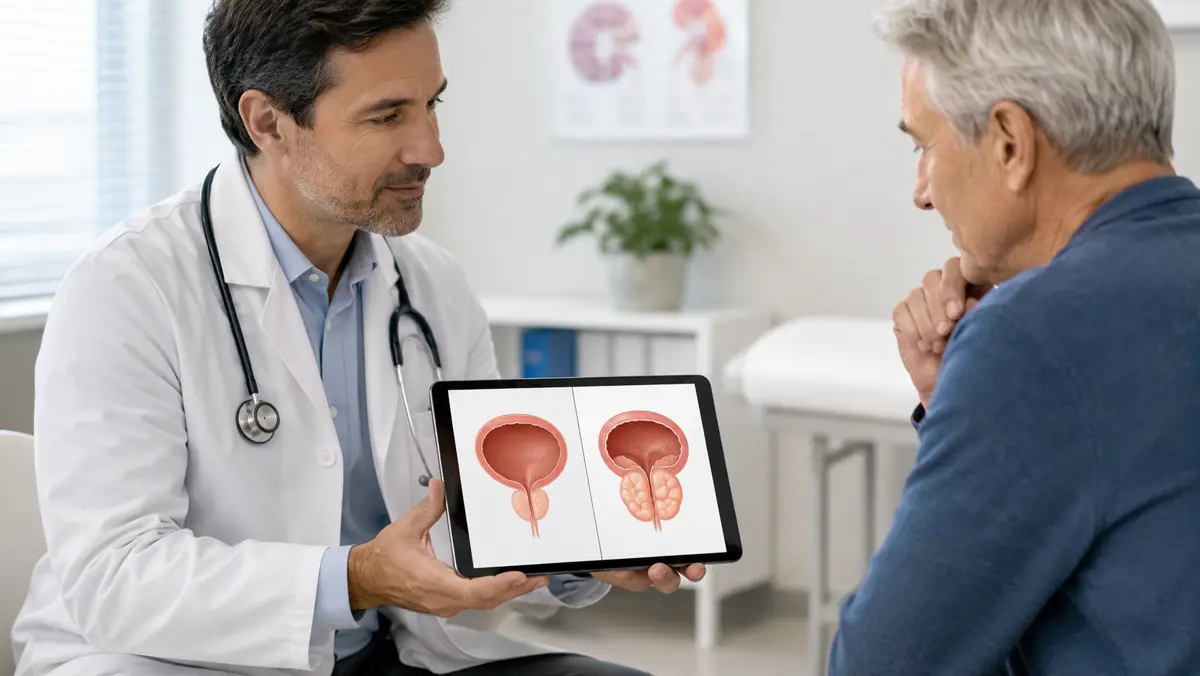
Many men over 50 experience BPH, a non-cancerous enlargement of the prostate gland. The prostate surrounds the urethra, the tube that carries urine out of the body. As it grows, it can squeeze the urethra, leading to a variety of urinary symptoms. While these symptoms typically involve changes in urination patterns, some men also report experiencing pain or discomfort.
Understanding Why BPH Might Cause Pain
It's important to clarify that BPH itself, the enlarged prostate tissue, doesn't usually cause direct pain. The prostate gland doesn't have many pain-sensing nerves. However, the effects of BPH can lead to pain or discomfort in several ways.
- Bladder Strain: When the enlarged prostate obstructs urine flow, your bladder has to work much harder to push urine out. This constant straining can lead to bladder muscle fatigue and irritation, which you might feel as discomfort or a dull ache in your lower abdomen or pelvic area.
- Urinary Tract Infections (UTIs): Incomplete bladder emptying is a common problem with BPH. Stagnant urine in the bladder creates a breeding ground for bacteria, increasing the risk of UTIs. A UTI can cause burning pain during urination, lower abdominal pain, and sometimes back pain.
- Bladder Stones: Chronic incomplete emptying can also lead to the formation of bladder stones. These stones can cause irritation, pain, and even block urine flow, leading to sharp pain, especially during urination.
- Prostatitis: Sometimes, BPH can coexist with prostatitis, which is inflammation of the prostate gland. Prostatitis can cause pain in the groin, lower back, penis, or perineum (the area between the scrotum and anus), along with urinary symptoms. While BPH doesn't cause prostatitis, the conditions can sometimes overlap.
- Kidney Issues: In severe, untreated cases, chronic urinary retention can cause urine to back up into the kidneys, leading to kidney swelling (hydronephrosis) and potential kidney damage. This can manifest as flank pain (pain in the side or back, just below the ribs).
Where Might You Feel BPH-Related Pain?
The location of pain can sometimes offer clues about its cause. With BPH-related issues, you might experience discomfort in several areas:
- Lower Abdomen/Pelvis: Often a dull ache from an overworked or irritated bladder.
- Perineum: The area between the scrotum and anus, which can be tender or achy, especially if there's prostate inflammation.
- Lower Back: Can be referred pain from bladder strain, or a sign of kidney involvement if severe.
- Groin: Sometimes associated with prostate discomfort or radiating pain from the bladder.
- During Urination: A burning sensation or sharp pain typically points to a UTI or bladder irritation.
What You Can Do to Find Relief at Home
While it's crucial to consult a doctor for a proper diagnosis and treatment plan, several strategies can help manage BPH symptoms and associated discomfort at home:
- Fluid Management: Reduce fluid intake in the evening, especially caffeine and alcohol, which can irritate the bladder and increase urine production. Don't restrict fluids too much during the day, as this can concentrate urine and irritate the bladder further.
- Dietary Changes: Some men find that spicy foods, acidic foods (like citrus and tomatoes), and artificial sweeteners can worsen bladder symptoms. Experiment to see if avoiding these helps.
- Regular Urination: Don't hold your urine for too long. Urinate as soon as you feel the urge, and try 'double voiding' – urinate, wait a few minutes, and try to urinate again to ensure your bladder is as empty as possible.
- Stay Active: Regular, moderate exercise can help manage overall health, including prostate health. Avoid prolonged sitting.
- Stress Reduction: Stress can sometimes worsen urinary symptoms. Practices like deep breathing, meditation, or gentle yoga might be helpful.
- Warm Baths: A warm bath can help relax pelvic muscles and reduce discomfort, especially if you're experiencing perineal or lower abdominal aching.
- Over-the-Counter Pain Relievers: For mild discomfort or pain from a UTI (while awaiting medical treatment), acetaminophen or ibuprofen can help manage symptoms. Always follow dosage instructions and be aware of potential side effects.
When Supplements Might Offer Support
For men seeking additional support for prostate and urinary comfort, certain dietary supplements are designed to help. These typically contain ingredients that have been studied for their potential role in supporting prostate health and healthy urinary function. They are not a substitute for medical treatment but can be considered as part of a broader management plan, especially for those looking to maintain existing prostate health.
Our team at Wellness Review Labs has looked into various options, and one product we often discuss is UroFlow. UroFlow is formulated with ingredients like saw palmetto, beta-sitosterol, and pygeum, which are commonly used in prostate health supplements. These ingredients are thought to help support the prostate's normal size and function, which in turn can help ease urinary flow and reduce some of the irritation that can lead to discomfort. UroFlow is designed to promote urinary comfort and support healthy prostate function, aiming to reduce the frequency of nighttime urination and improve overall urinary stream. It's important to remember that supplements work best when combined with a healthy lifestyle and under the guidance of a healthcare professional. They won't cure BPH or immediately stop severe pain, but they may help support the body's natural processes.

UroFlow is relevant as it offers support for urinary comfort and prostate function, which can help address some of the underlying issues contributing to BPH-related discomfort.
- Buy 3, Get 3 Free — Lowest Price Ever$29.99/bottle
- Buy 2, Get 2 Free — Most Popular$39.99/bottle
- Buy 1, Get 1 Free$59.99/bottle
We may earn a commission at no extra cost to you.
When to See a Doctor
While self-care strategies can be helpful, it's crucial to know when to seek professional medical advice. Don't delay seeing a doctor if you experience:
- Severe or sudden pain: Especially in the lower abdomen, groin, or back.
- Blood in your urine: Even if it's just a small amount.
- Inability to urinate: This is a medical emergency and requires immediate attention.
- Fever or chills: Especially if accompanied by urinary symptoms, as this could indicate a serious infection.
- Persistent pain: If your discomfort doesn't improve with home care or worsens.
- Frequent UTIs: Recurrent infections need to be investigated and treated.
A doctor can properly diagnose the cause of your pain, rule out other serious conditions, and recommend the most appropriate treatment plan for your specific situation. This might include medications, lifestyle adjustments, or in some cases, procedures to relieve the obstruction.